The 15 Reality Shows That Show the Least Care for Human Dignity

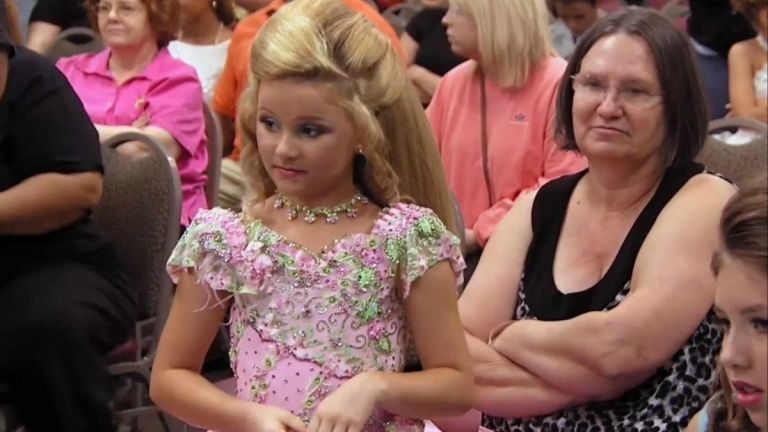
A big part of reality TV is showing conflict, embarrassment, and outrageous behavior, all in the name of entertainment. Many shows exploited children, encouraged public humiliation, manipulated contestants, or treated deeply personal struggles as spectacle. The genre thrives in those things, and continues to do so today.
Many of these shows have become frequent examples in discussions about reality TV’s ethical limits. Looking back, it’s hard to believe some of these concepts were ever approved for broadcast, let alone became ratings successes. These are reality shows that showed remarkably little regard for human dignity.
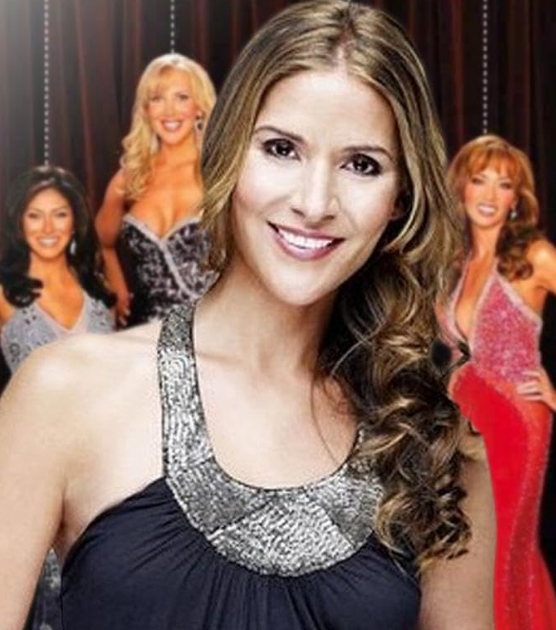
The Swan
Contestants underwent extensive plastic surgery, strict recovery regimens, and therapy before competing in a beauty pageant. Critics condemned the series for reducing women’s worth to their appearance and encouraging harmful beauty standards.
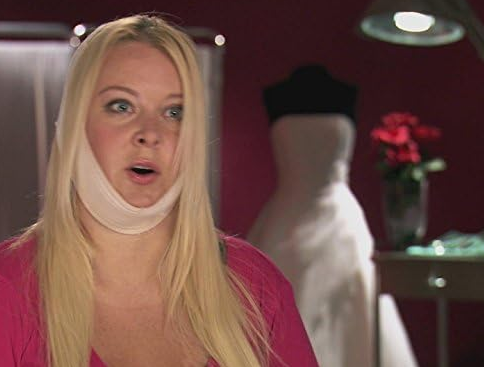
Bridalplasty
Women competed against one another for cosmetic surgery procedures before their weddings, earning operations by surviving weekly eliminations. Even by reality television standards, many viewers considered the premise astonishingly demeaning.
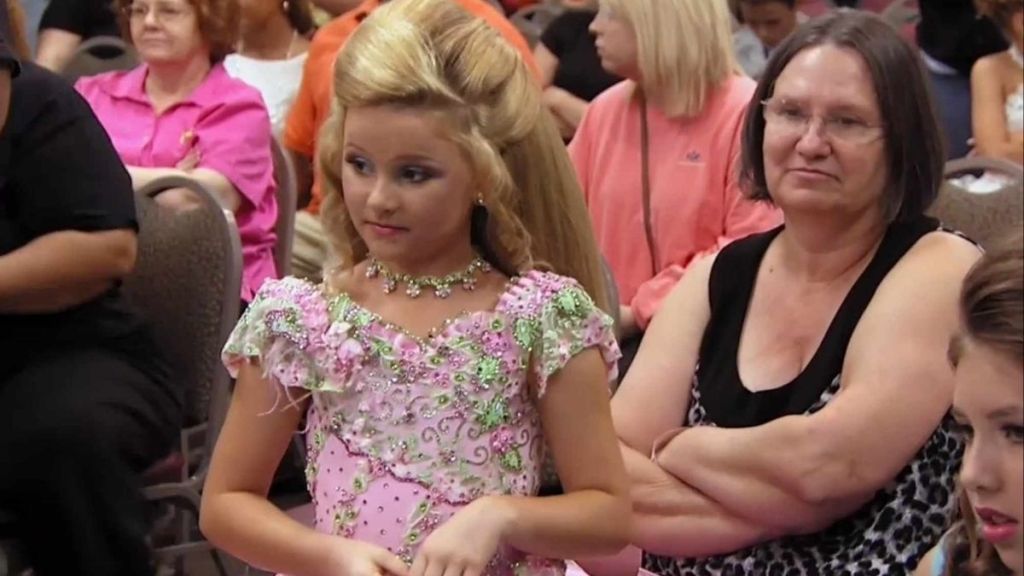
Toddlers & Tiaras
Young children were dressed in elaborate costumes, heavy makeup, and fake teeth while parents pursued beauty pageant victories. The series drew widespread criticism for exploiting children in pursuit of dramatic television.
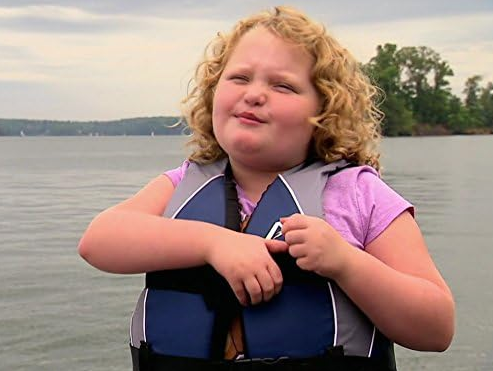
Here Comes Honey Boo Boo
The spinoff centered on Alana Thompson’s family and quickly became a cultural phenomenon. Critics argued it often turned its young stars and their personal lives into entertainment at their expense.
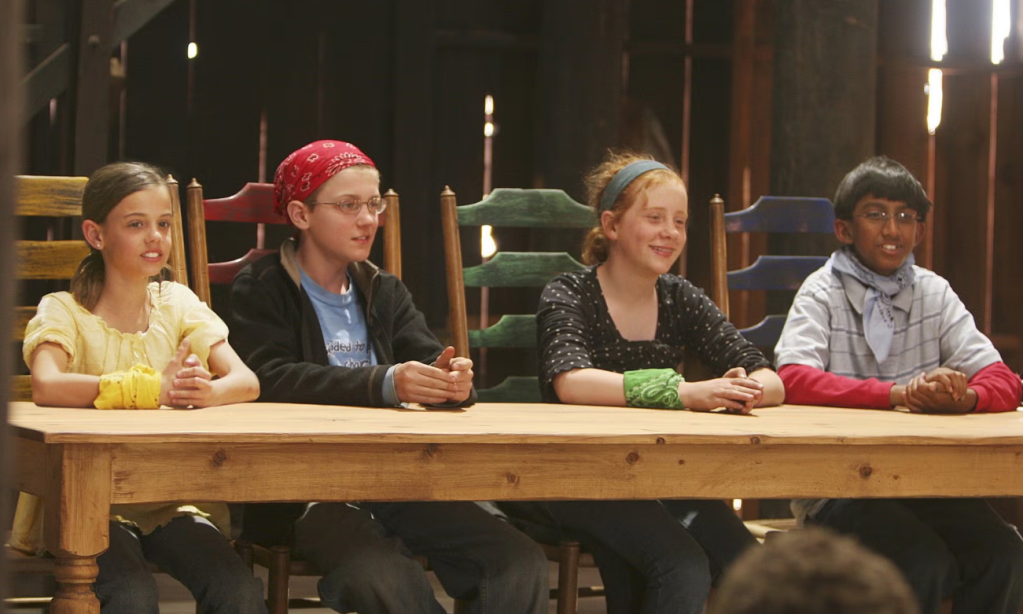
Kid Nation
Forty children were left to build their own society in an abandoned frontier town with minimal adult intervention. The ambitious experiment immediately raised concerns about child welfare and production ethics.
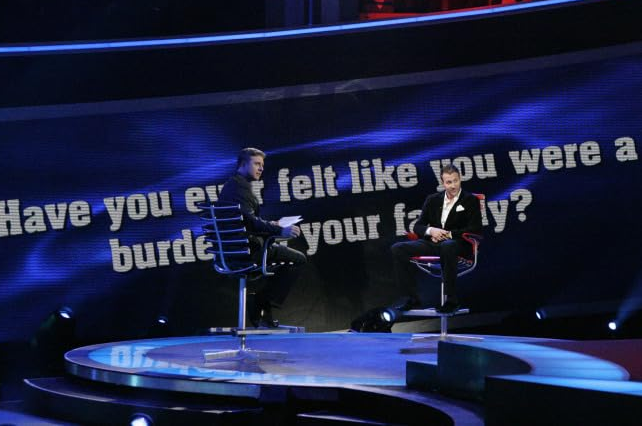
The Moment of Truth
Contestants answered increasingly invasive personal questions while hooked to a polygraph for cash prizes. Families frequently learned painful secrets on live television, making public humiliation part of the entertainment.
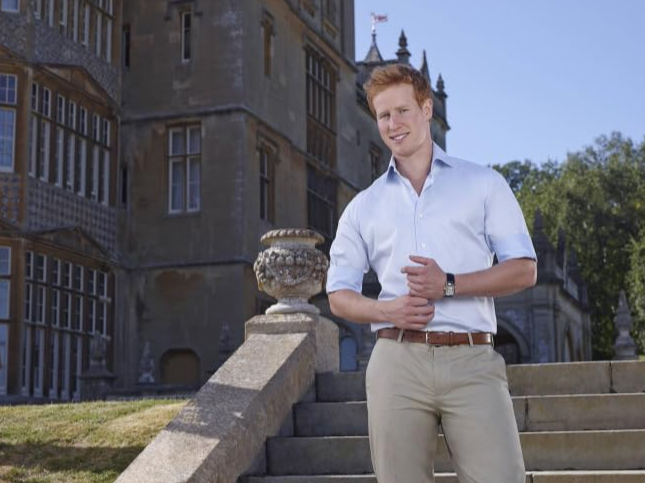
I Wanna Marry “Harry”
Participants were led to believe they were competing for the affection of Prince Harry, who was actually portrayed by a lookalike. The entire series depended on deceiving contestants from beginning to end.
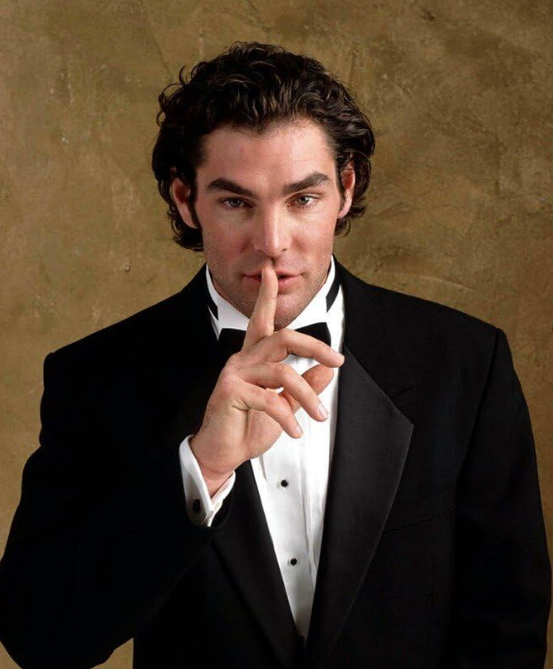
Joe Millionaire
Women competed for the affection of a man they believed was a millionaire, only to learn he was an average construction worker. The show’s central gimmick relied on manipulating every participant.
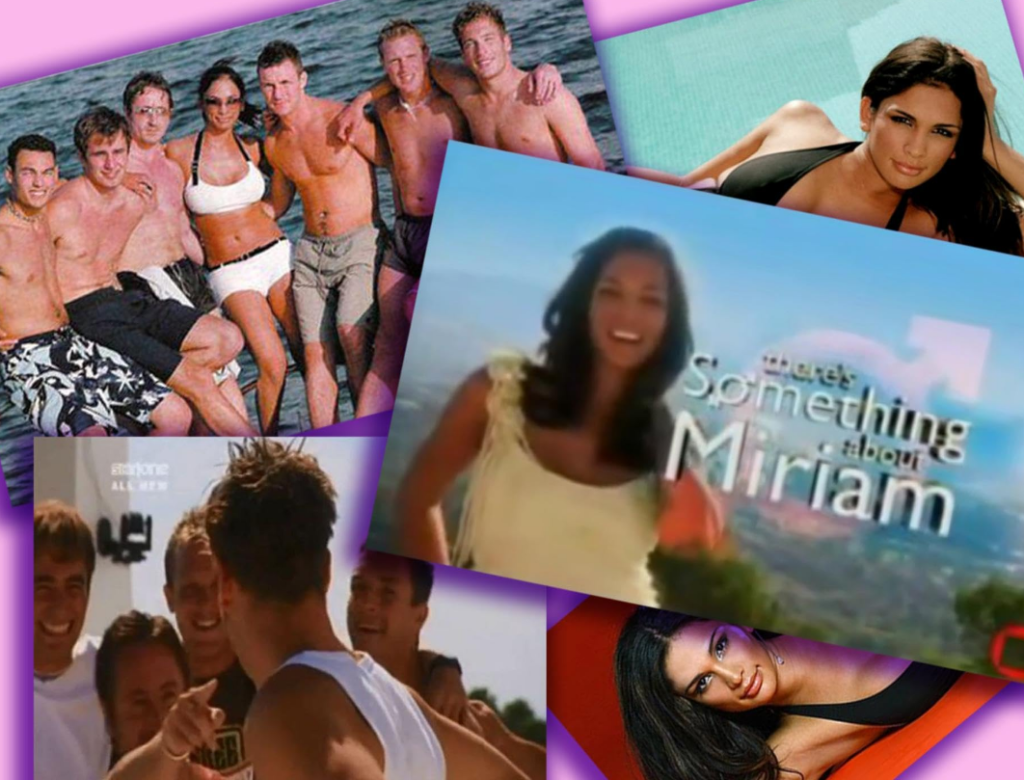
There’s Something About Miriam
Male contestants courted model Miriam Rivera without initially being told she was transgender. The controversial reveal sparked outrage and lawsuits over the deceptive premise.

The Pickup Artist
Hosted by self-proclaimed pickup expert Mystery, the show taught contestants manipulative dating techniques designed to attract women. Many critics viewed its lessons as promoting disrespectful and emotionally unhealthy behavior.

Dance Moms
Although centered on competitive dance, the show’s lasting reputation often comes from the harsh treatment of young performers. Many viewers felt the emotional distress experienced by the children became part of the attraction.
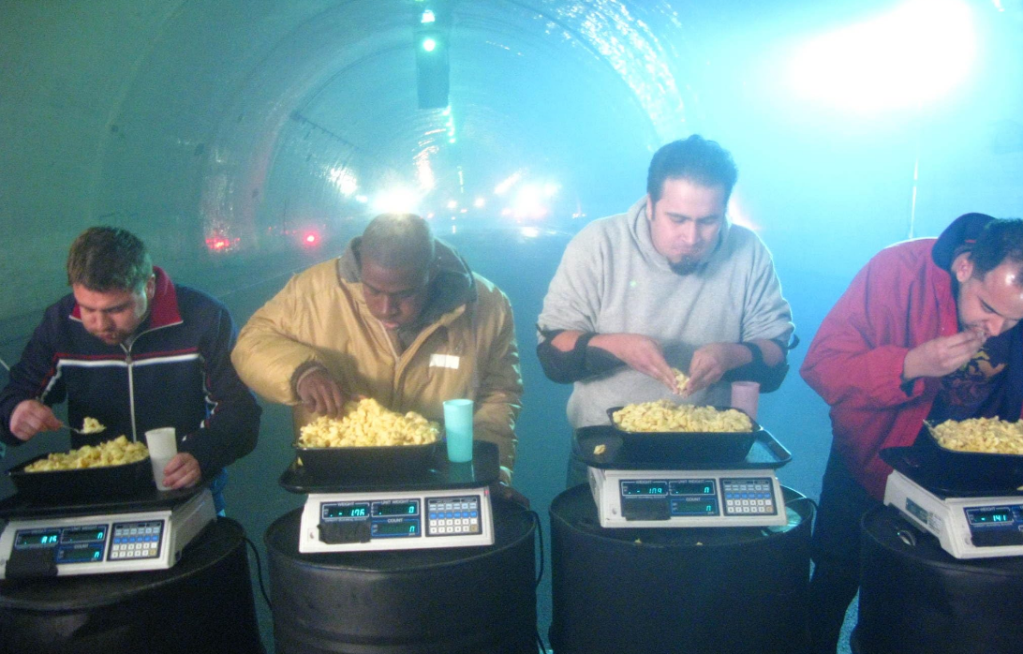
Hurl!
Contestants stuffed themselves with food before enduring intense amusement park rides. Victory depended largely on avoiding vomiting, turning physical discomfort into the entire premise of the competition.

Are You Hot?
Judges evaluated contestants almost exclusively on physical attractiveness, scoring individual body parts before deciding who was “hot enough.” The superficial format was widely criticized even when it originally aired.
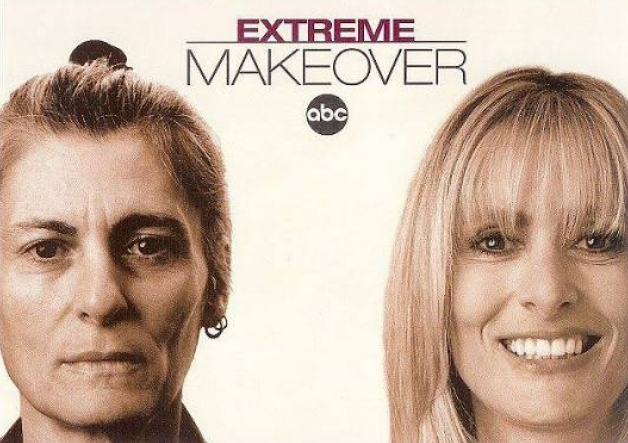
Extreme Makeover
Before makeover shows became commonplace, this series normalized extensive cosmetic surgery as a path toward happiness. Critics argued it reinforced unhealthy ideas about beauty and self-worth through dramatic transformations.
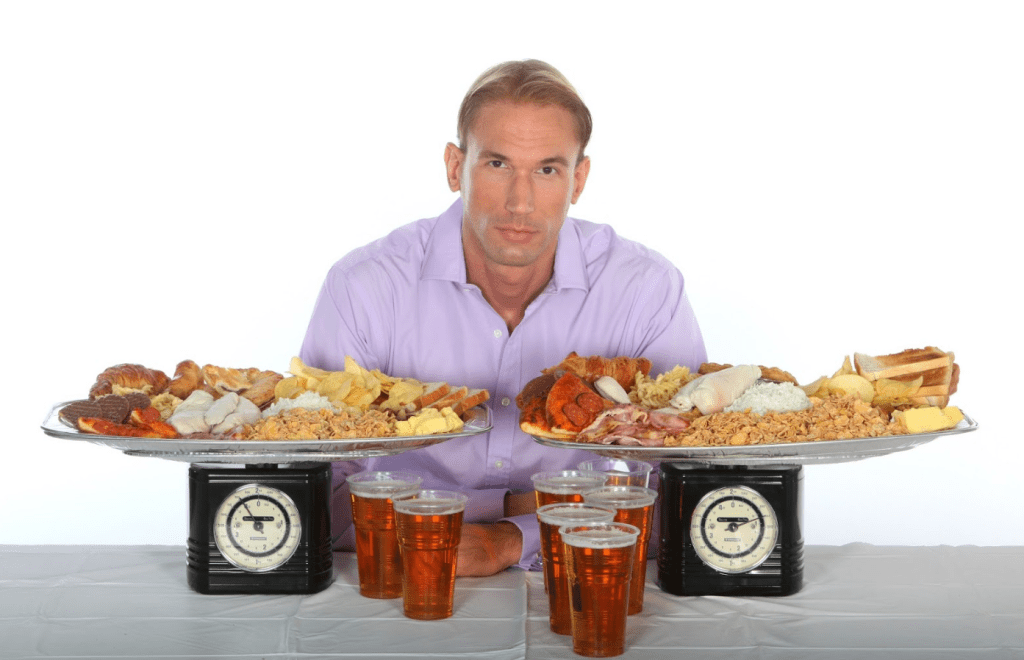
Supersize vs Superskinny
Participants with opposite eating habits temporarily swapped diets under medical supervision. While intended to educate viewers about nutrition, many felt it sensationalized eating disorders and unhealthy relationships with food.