15 TV Shows That Peaked in Their First Season and Went Downhill After That

The first season of a show has a lot of work to do for the future of the series, since it needs to establish the premise, recurring characters and overarching plots in a satisfying manner. When done right, it can hook audiences for decades who want to know more about the characters, or how the story ends.
One thing the first season can get away with, however, is answering all questions. That is the responsibility of future seasons, and the better the set up was, the higher the pressure on the payoff. These are the shows that had less than stellar seasons following a near masterpiece of a first one.
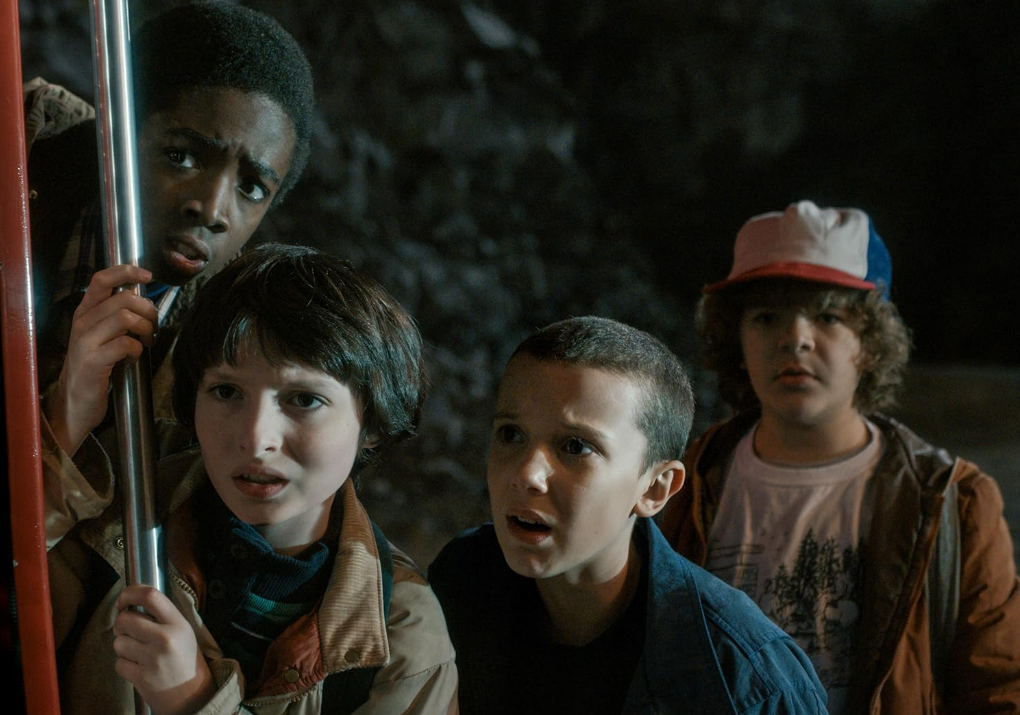
Stranger Things
The first season balanced nostalgia, mystery, horror, and character drama almost perfectly. Later seasons became bigger and more ambitious, but many viewers feel the intimate small-town atmosphere of the debut was never matched.
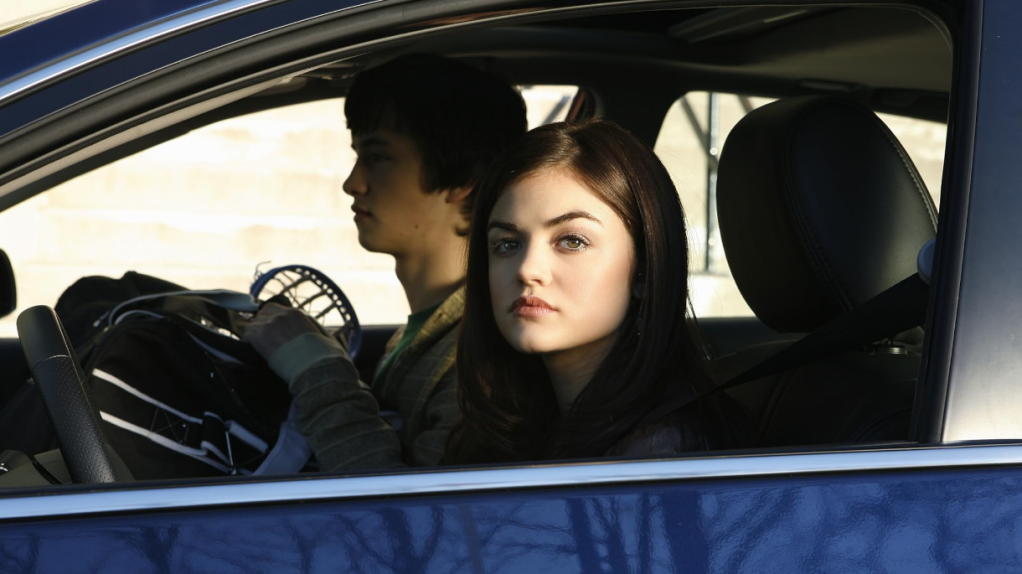
Heroes
NBC’s first season was a phenomenon, introducing a large cast of interconnected superpowered characters. Subsequent seasons struggled with inconsistent storytelling, production issues, and plots that never captured the same excitement.
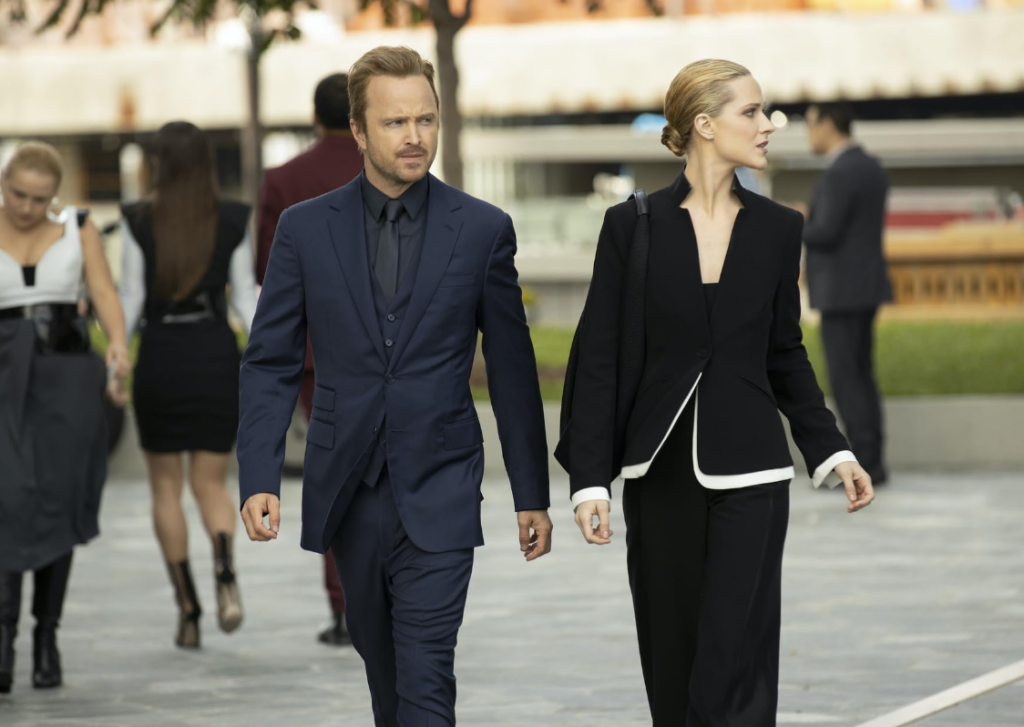
Westworld
The original season’s mystery-driven structure and philosophical questions captivated audiences. Once the central puzzle was solved, later seasons became increasingly divisive and failed to generate the same level of enthusiasm.
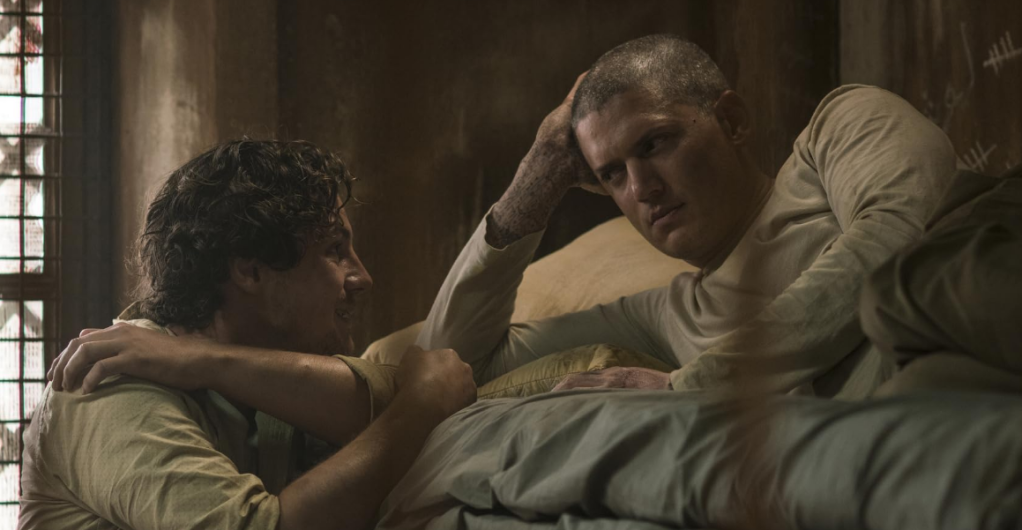
Prison Break
The first season’s central premise, escaping from Fox River State Penitentiary, was tightly focused and suspenseful. Once the escape happened, the show struggled to find an equally compelling direction.
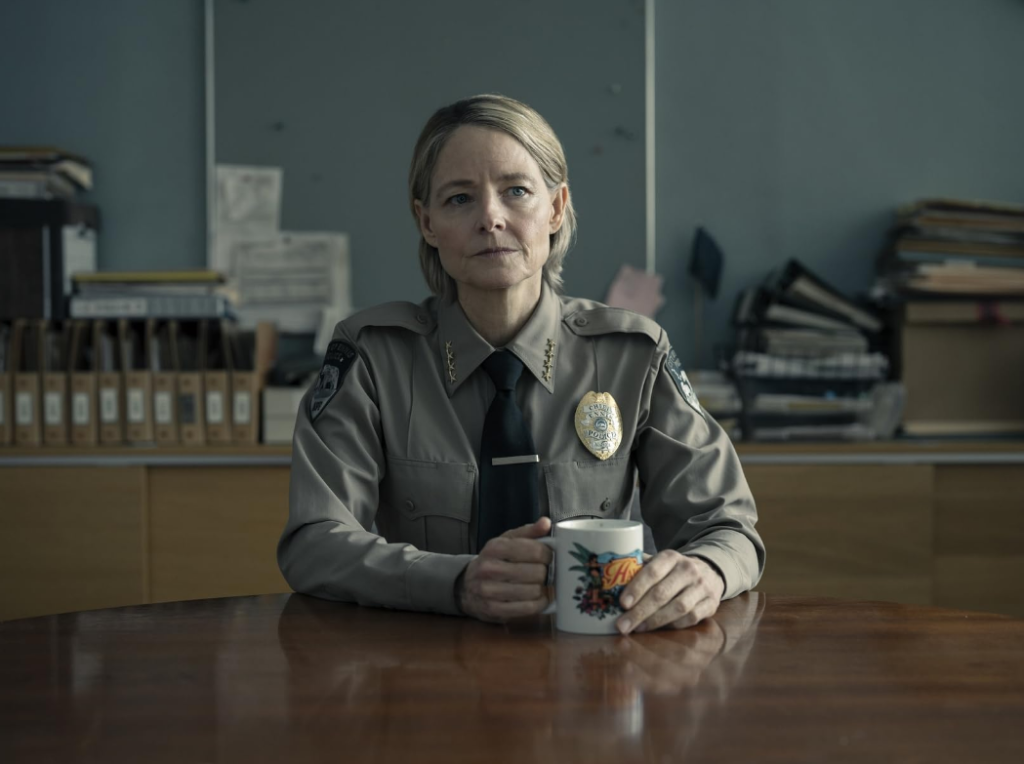
True Detective
Although later seasons have their supporters, the first season starring Matthew McConaughey and Woody Harrelson remains the benchmark. Its atmosphere, performances, and mystery proved difficult to surpass.
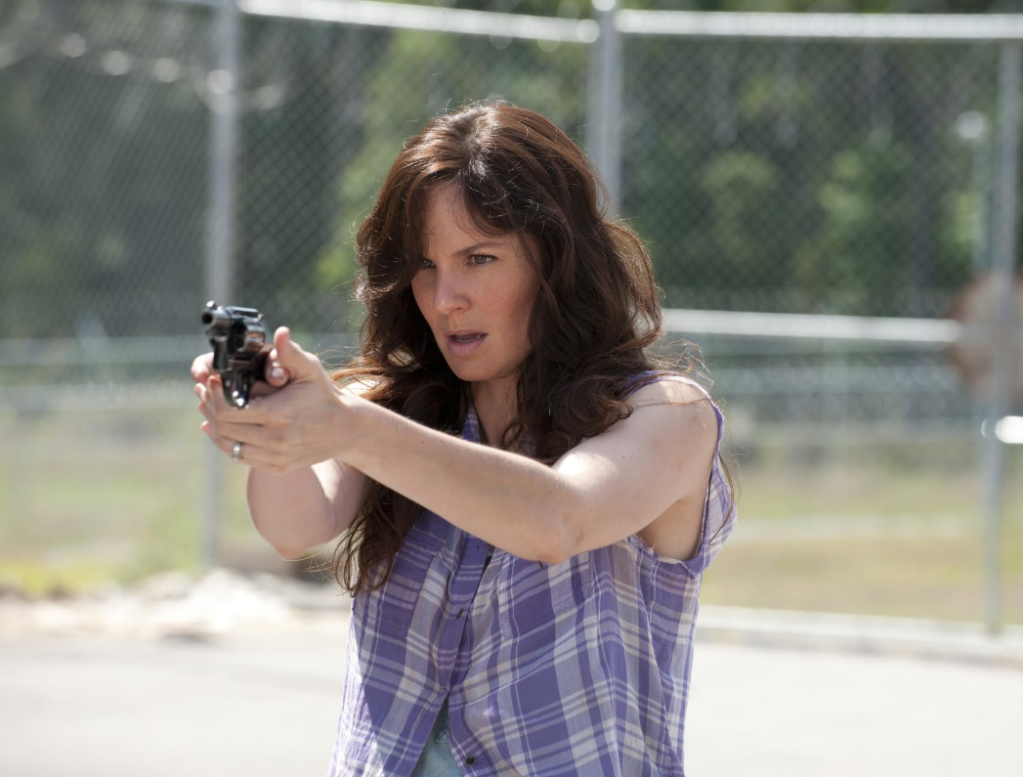
The Walking Dead
Many fans consider the six-episode debut season one of the strongest runs in the franchise. As the series expanded, pacing issues and repetitive storylines became frequent complaints.
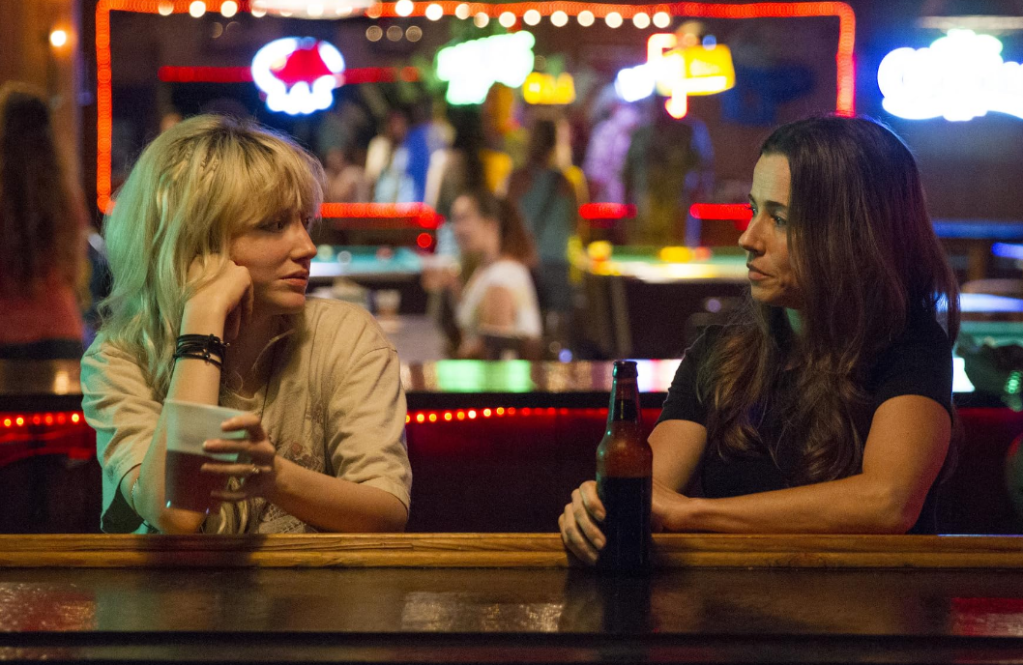
Bloodline
The first season built tension masterfully around the Rayburn family’s secrets. Later seasons suffered from narrative complications and the challenge of following up the fallout from the initial mystery.
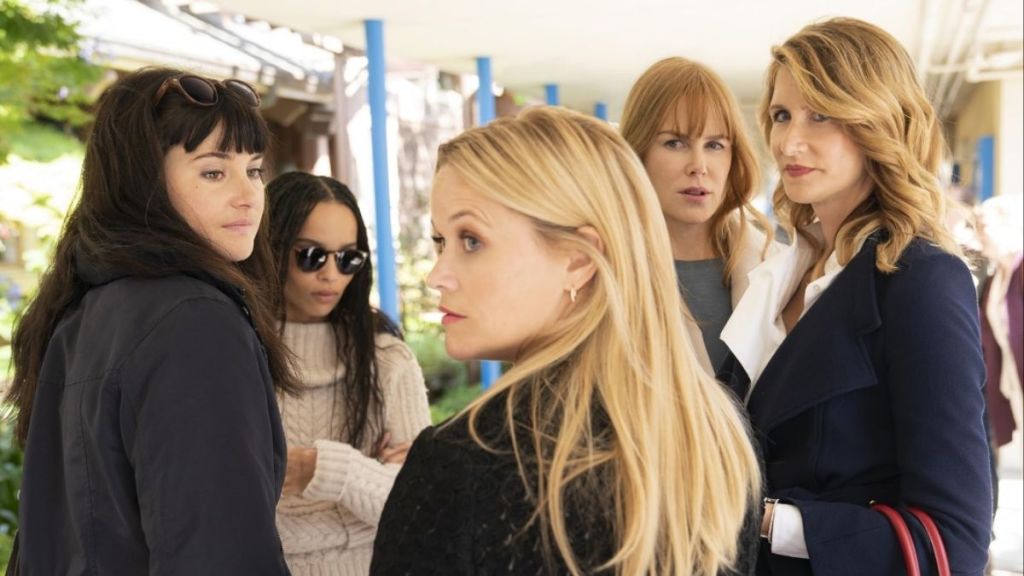
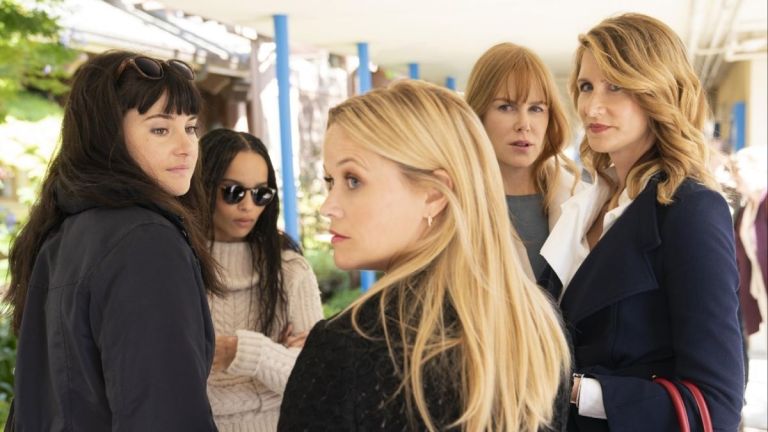
Big Little Lies
Originally conceived as a miniseries, the first season told a complete story and won widespread acclaim. The second season featured strong performances but lacked the same narrative urgency.
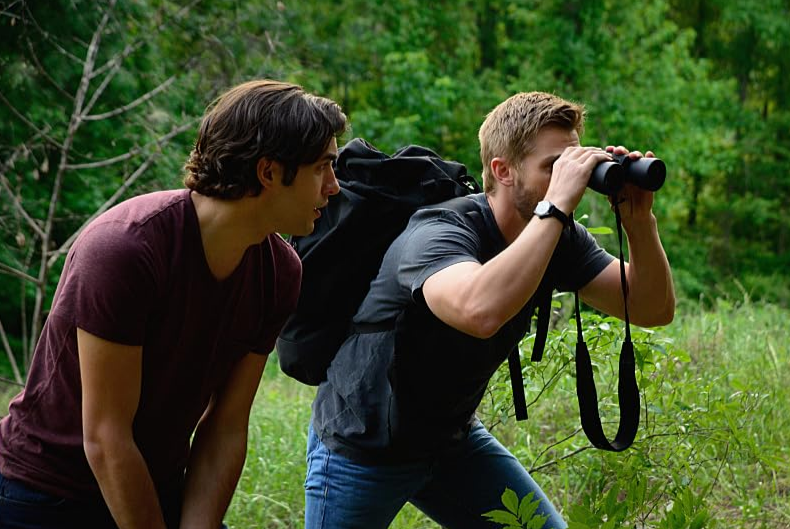
Under the Dome
The first season generated interest through its intriguing premise and Stephen King connection. As the show continued, increasingly convoluted storylines caused many viewers to lose interest.
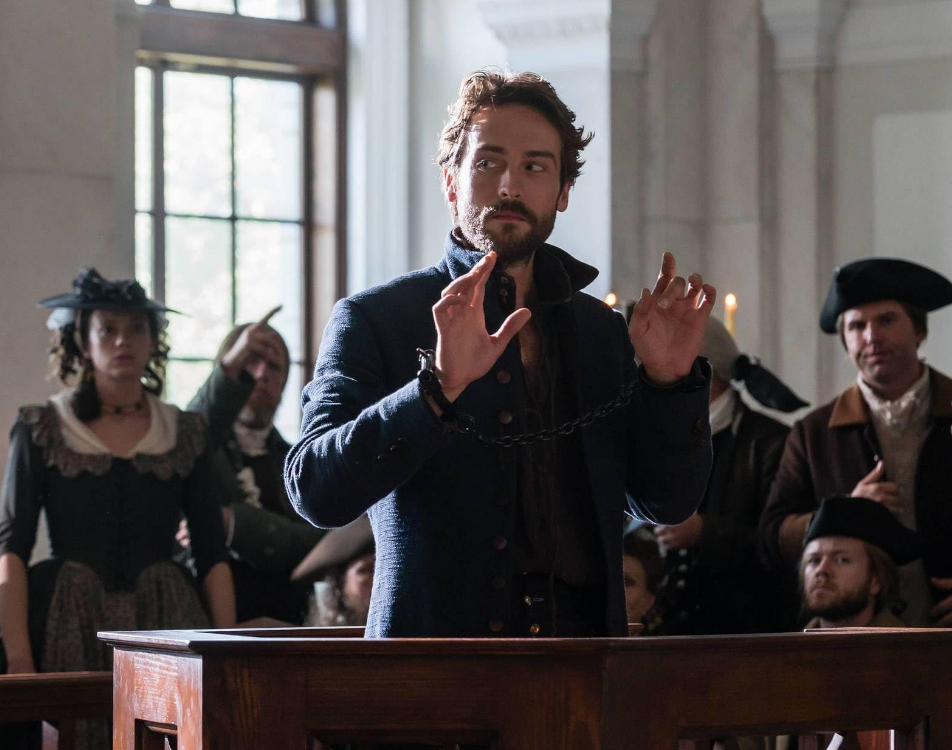
Sleepy Hollow
The debut season blended supernatural horror, historical mythology, and procedural storytelling effectively. Later years struggled to maintain that balance and saw declining audience enthusiasm.
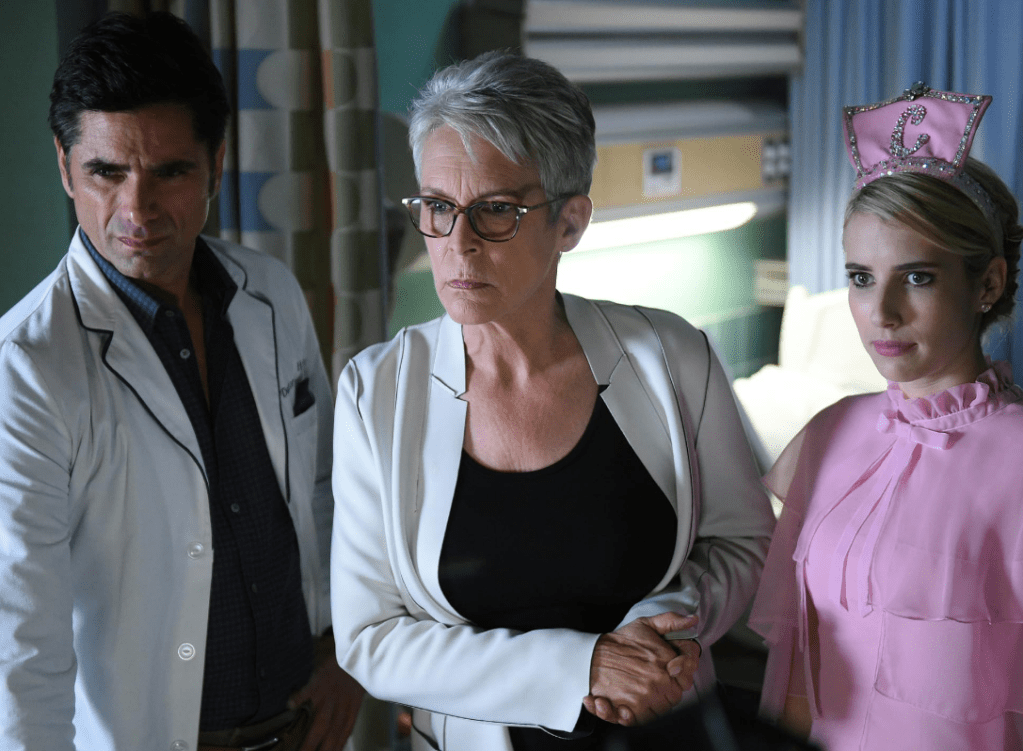
Scream Queens
Ryan Murphy’s horror-comedy found its strongest footing in the first season’s murder mystery. The second season changed settings and never generated the same cultural buzz.
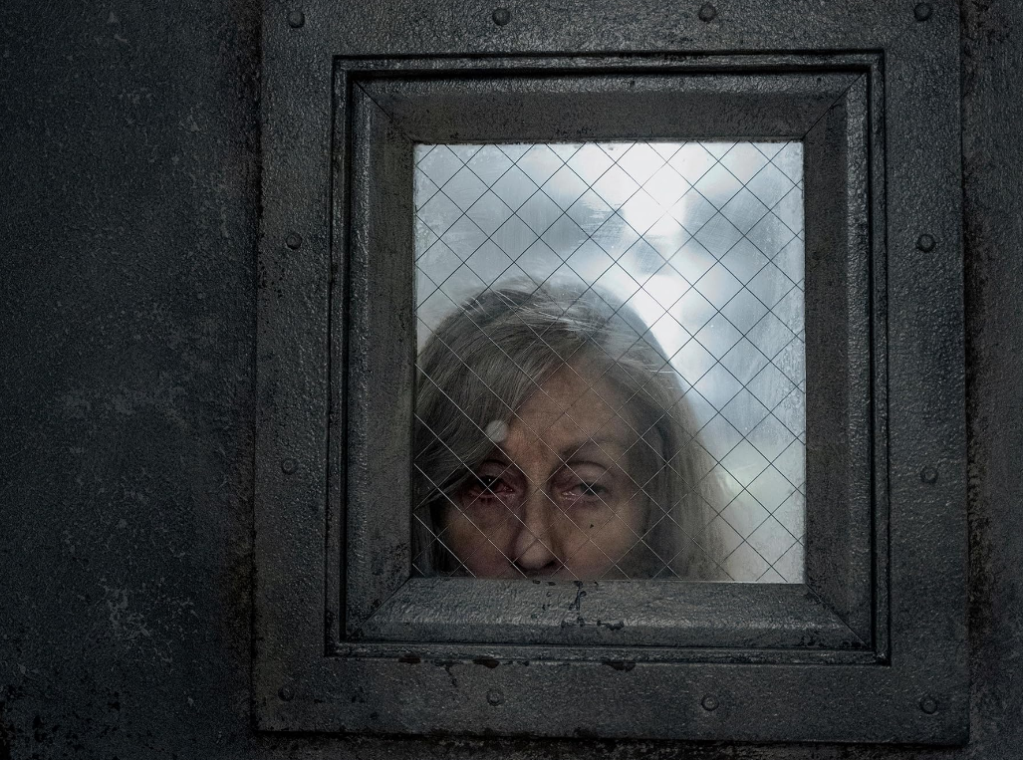
The Terror
The first season’s adaptation of the Franklin Expedition was widely praised for its atmosphere and storytelling. The anthology’s second season received a much more mixed response from critics and audiences.
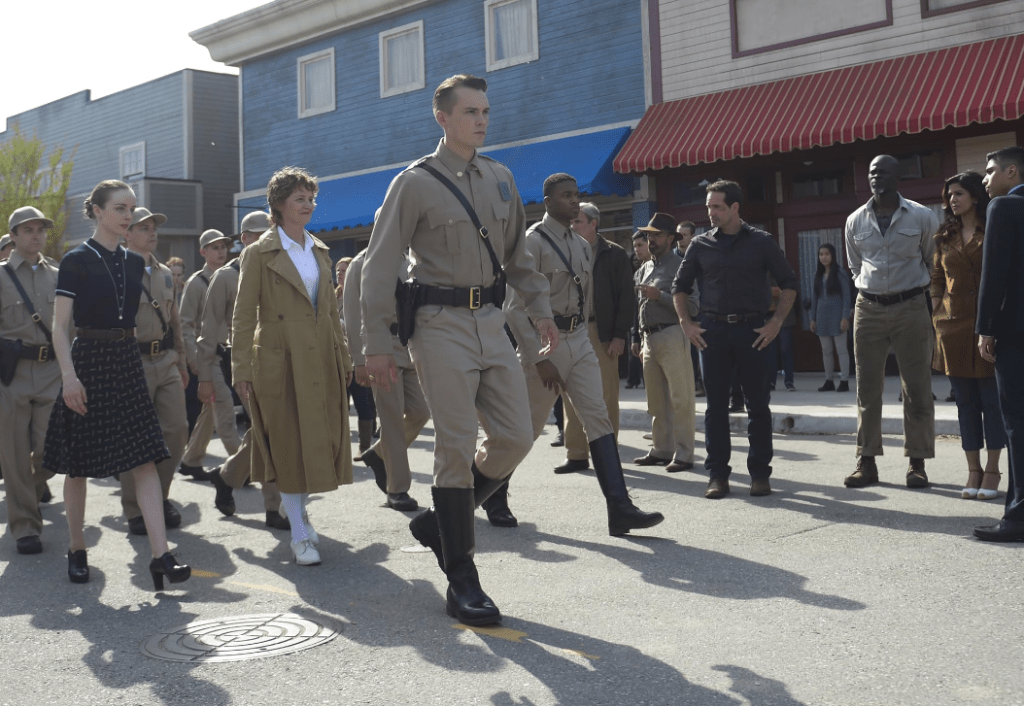
Wayward Pines
The opening season delivered a compelling mystery and satisfying reveals. Once the town’s secrets were exposed, the show found it difficult to maintain the same momentum.
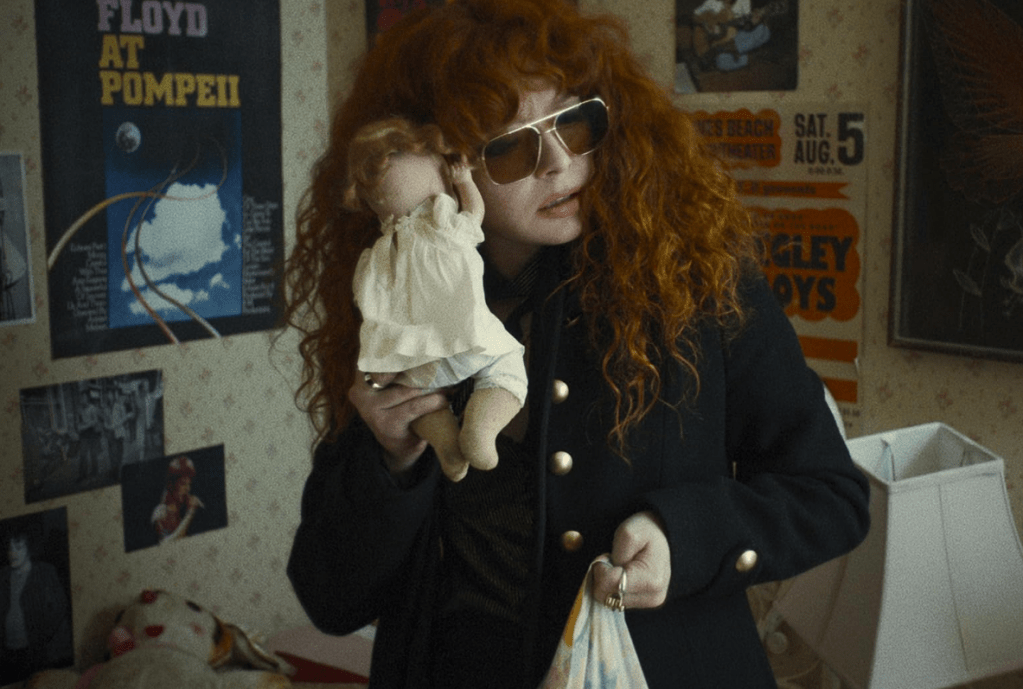
Russian Doll
Its first season offered a clever and emotionally resonant time-loop story with a strong sense of closure. The second season took bigger narrative swings that divided viewers.
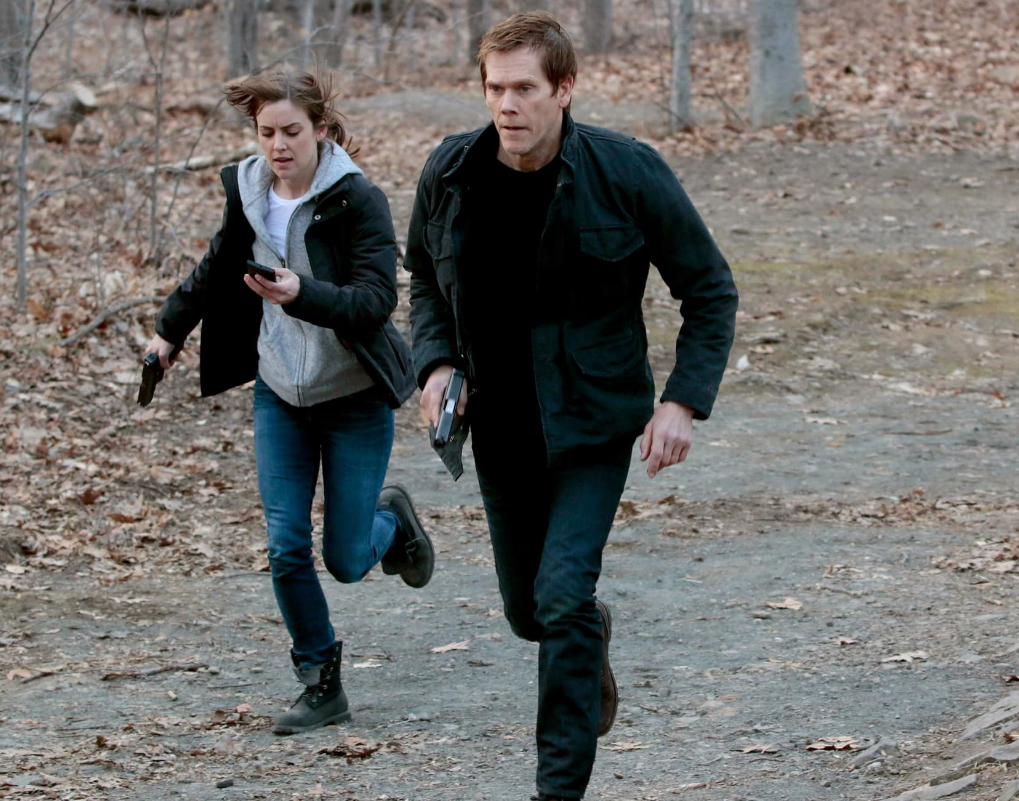
The Following
Kevin Bacon’s thriller began with a tense cat-and-mouse dynamic between an FBI agent and a serial killer. Later seasons expanded the mythology but never matched the impact of the original run.