13 Actors Who Barely Appear in Their Most Famous Movie

When an actor dominates a given performance, it’s easy to assume the actor also dominates the entire film. Then you rewatch it and realize they barely appear at all, still as memorable but not as present as you remembered. These actors managed to become inseparable from movies that actually gave them surprisingly little screen time.
The quality clearly outshines the quantity, since some of these performers won Academy Awards despite appearing for only a handful of minutes. These performances prove that making an impact isn’t about how long you’re on screen, it’s about what you do while you’re there.
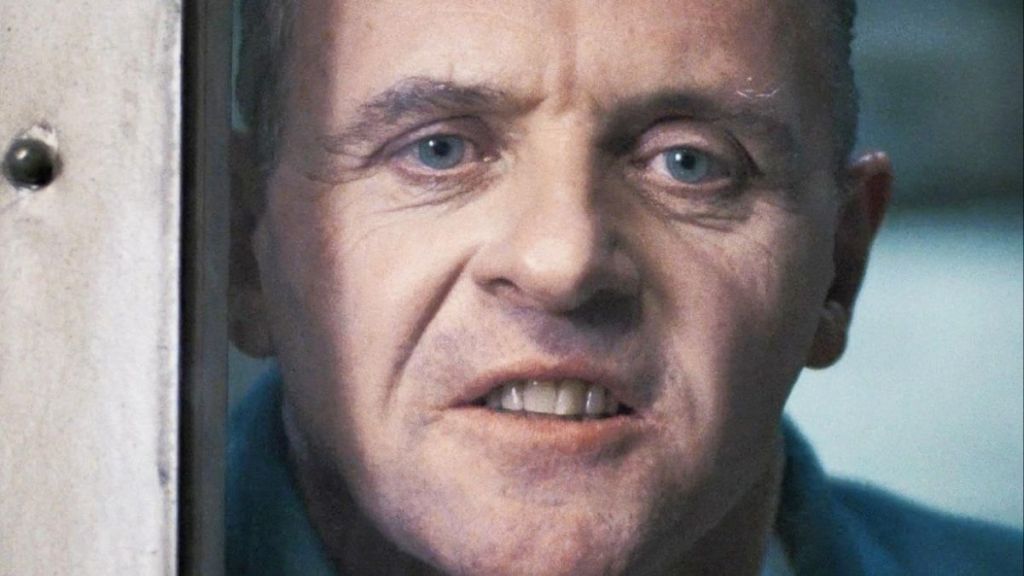
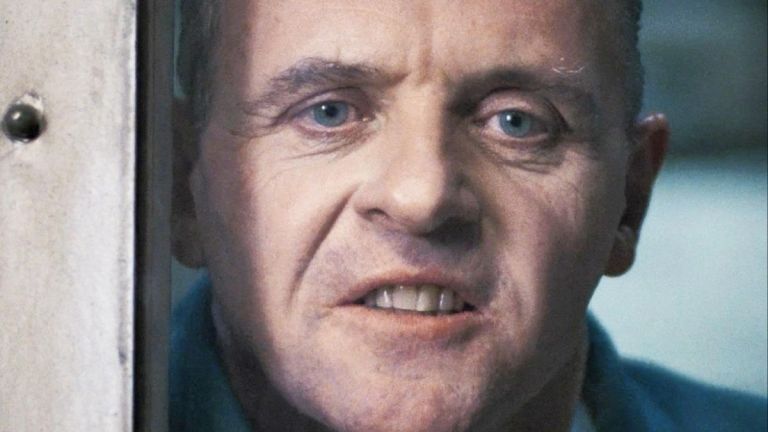
Anthony Hopkins, The Silence of the Lambs
Hannibal Lecter is the first thing most people think of when discussing The Silence of the Lambs. Yet Anthony Hopkins appears for only about 16 minutes, making his Oscar-winning performance one of cinema’s most efficient displays of screen presence.
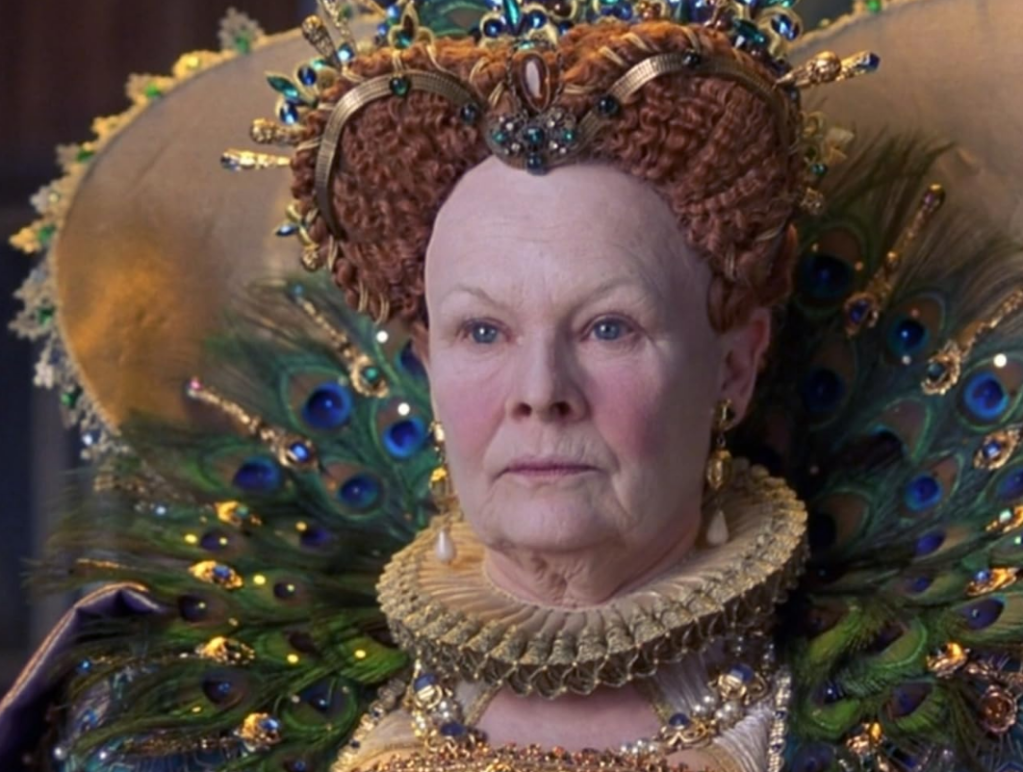
Judi Dench, Shakespeare in Love
Judi Dench won the Academy Award for Best Supporting Actress despite appearing as Queen Elizabeth I for less than six minutes. Her brief but commanding performance remains one of the most famous examples of doing a lot with very little.
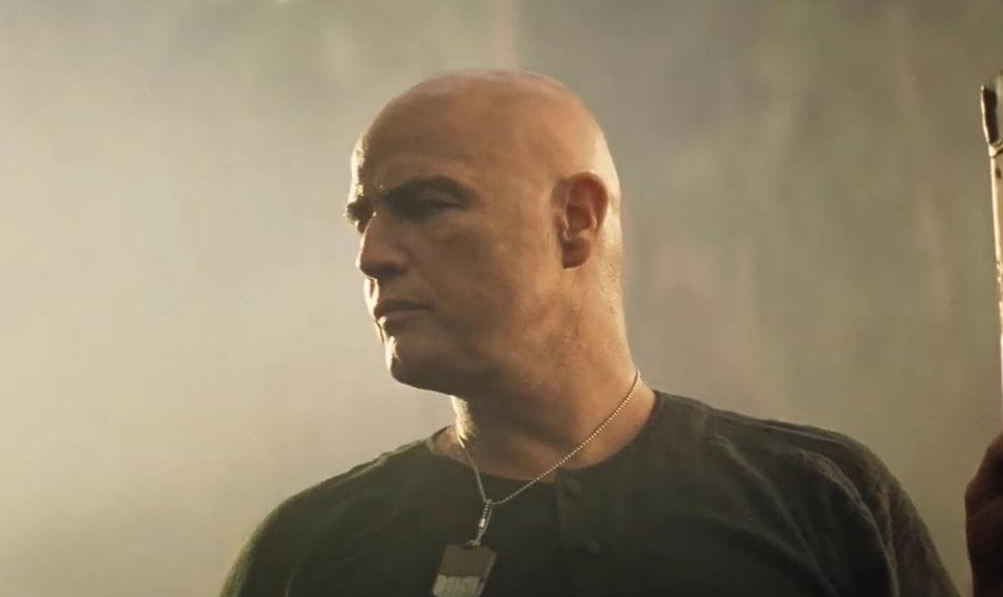
Marlon Brando, Apocalypse Now
Colonel Kurtz looms over the entire film long before he actually appears. Marlon Brando doesn’t arrive until late in the story, but his mysterious presence dominates discussions of Apocalypse Now decades after its release.
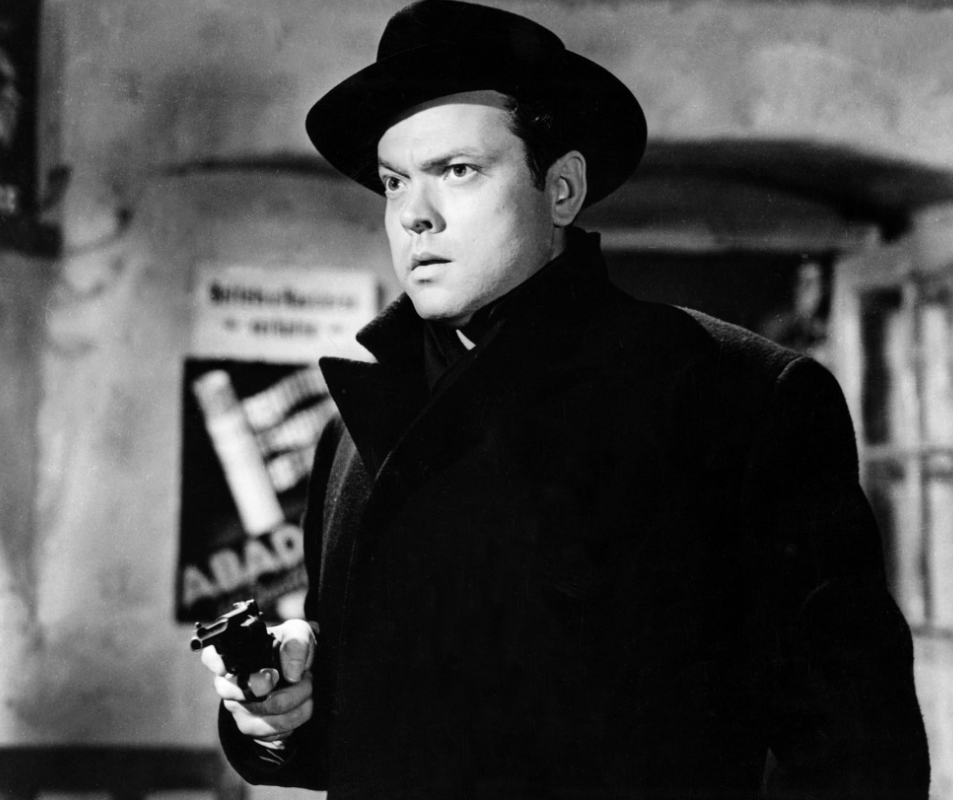
Orson Welles, The Third Man
Harry Lime spends most of the film absent, existing largely through stories and speculation. When Orson Welles finally appears, he instantly justifies the buildup and turns a few minutes of screen time into cinematic history.
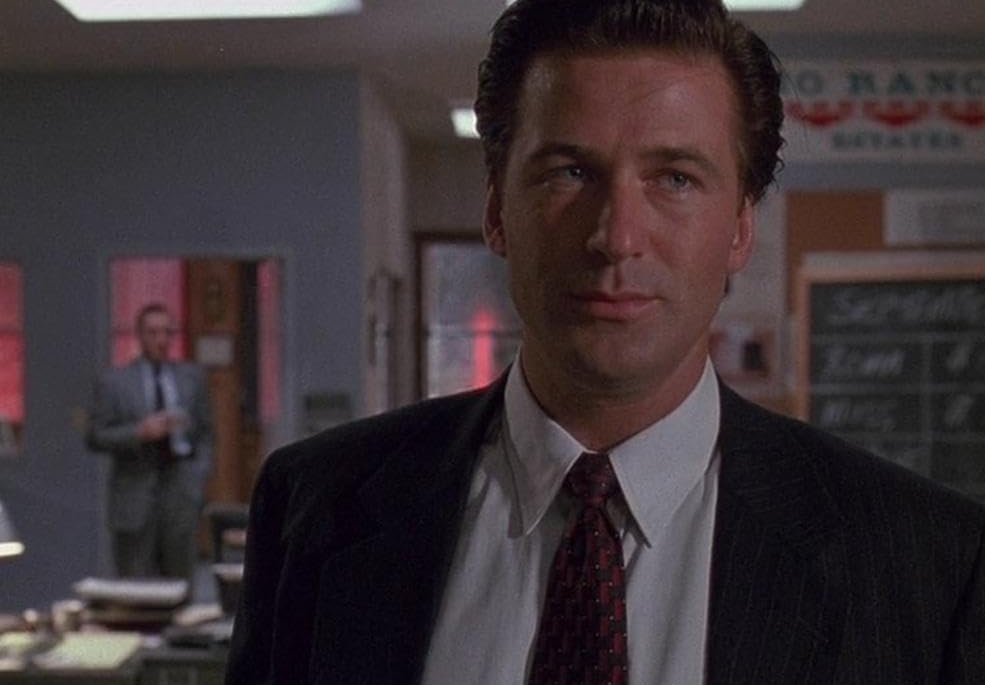
Alec Baldwin, Glengarry Glen Ross
Baldwin appears in only a single scene, but his vicious motivational speech has become the movie’s defining moment. Many viewers remember his character more vividly than several characters who appear throughout the entire film.
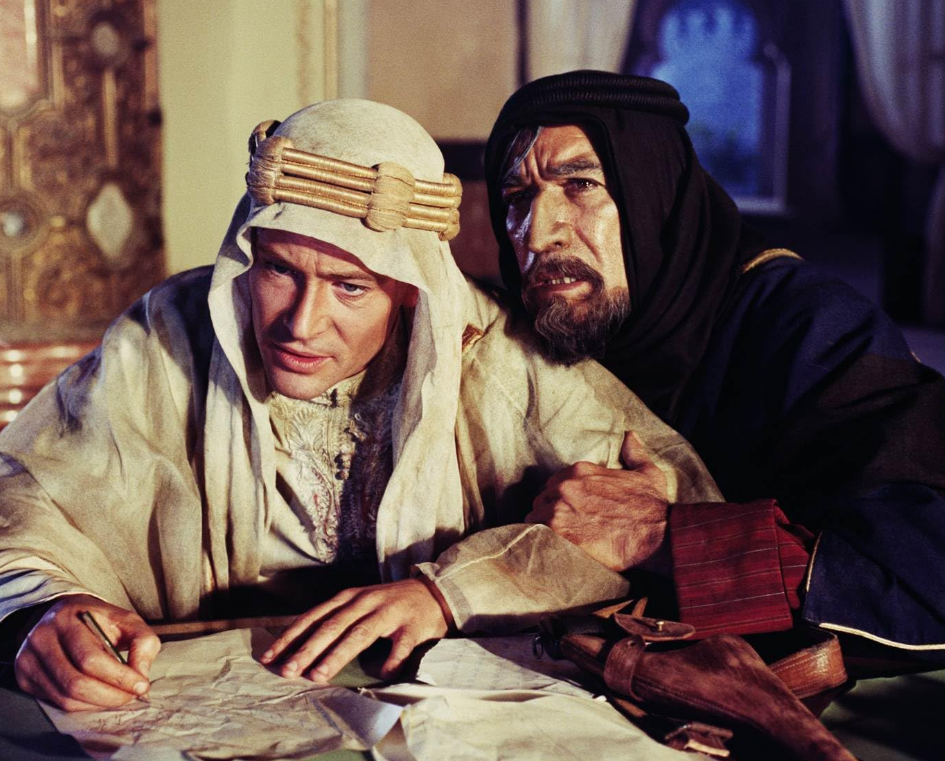
Anthony Quinn, Lawrence of Arabia
Anthony Quinn received an Oscar nomination for playing Auda abu Tayi, despite appearing in a relatively small portion of the film. His charismatic performance left a much larger impression than his screen time suggests.
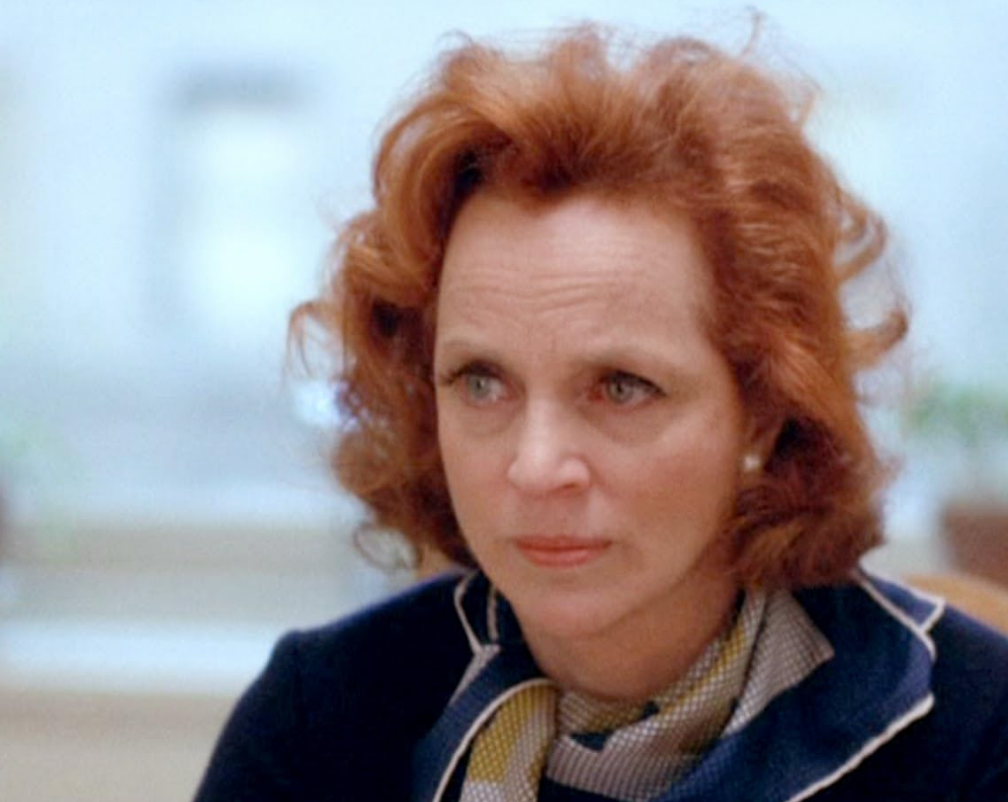
Beatrice Straight, Network
Beatrice Straight won an Oscar for a performance lasting just over five minutes. Her emotionally devastating confrontation scene remains one of the shortest Academy Award-winning performances ever recorded.
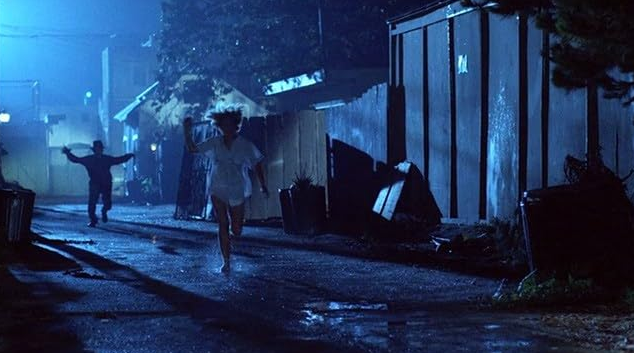
Robert Englund, A Nightmare on Elm Street
Freddy Krueger became Robert Englund’s defining role and one of horror’s greatest villains. Surprisingly, in the original A Nightmare on Elm Street, Freddy appears for only a handful of minutes, relying on strategic appearances rather than constant screen presence.
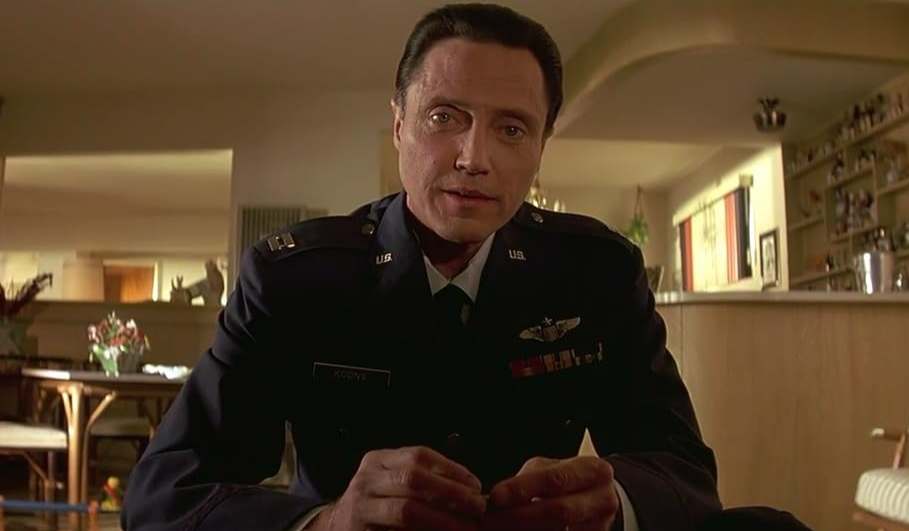
Christopher Walken, Pulp Fiction
Walken appears for only a single extended scene, delivering Captain Koons’ bizarre monologue about a family heirloom. Despite the limited appearance, the sequence became one of Pulp Fiction’s most memorable moments.
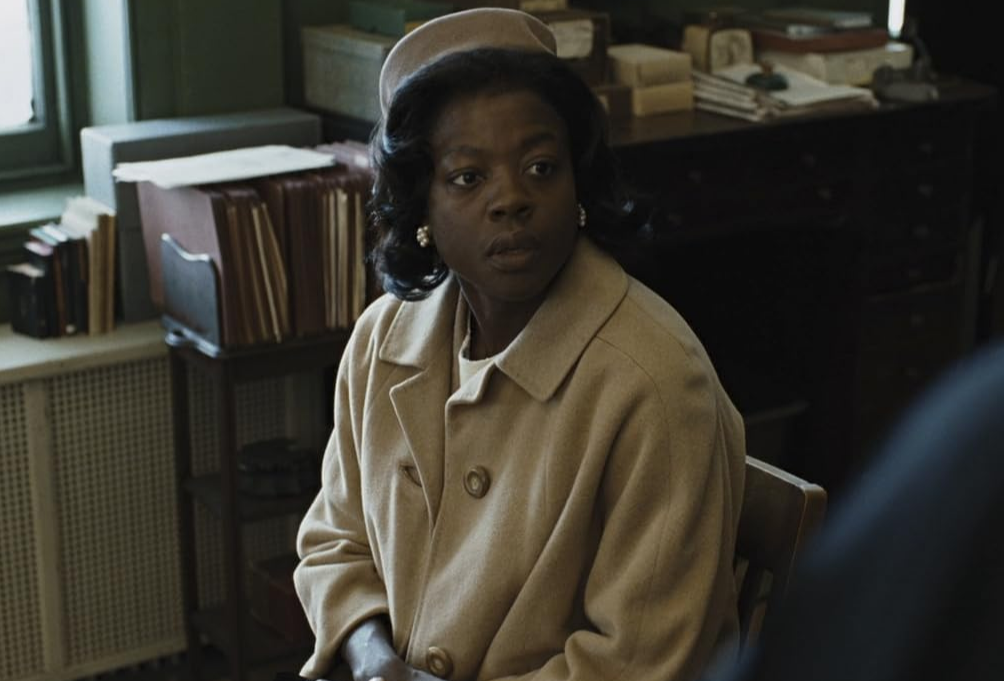
Viola Davis, Doubt
Viola Davis has only one major scene in Doubt, but it is so powerful that it earned her an Academy Award nomination. Many viewers consider it the emotional centerpiece of the film.
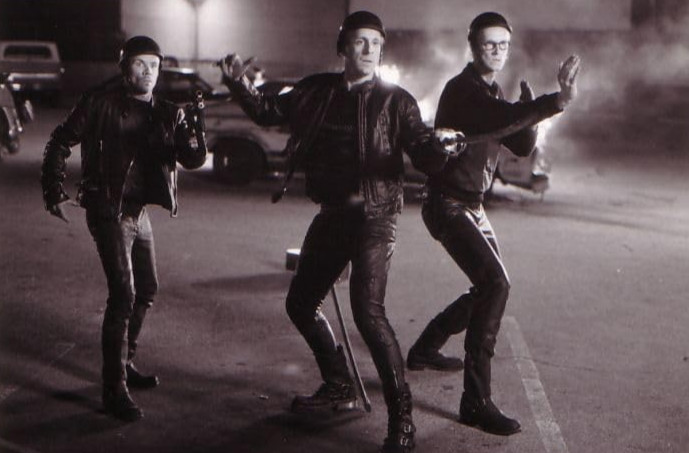
Peter Stormare, The Big Lebowski
The nihilists don’t dominate The Big Lebowski’s runtime, but Peter Stormare’s performance helped make them unforgettable. His exaggerated seriousness perfectly complements the film’s increasingly absurd events.
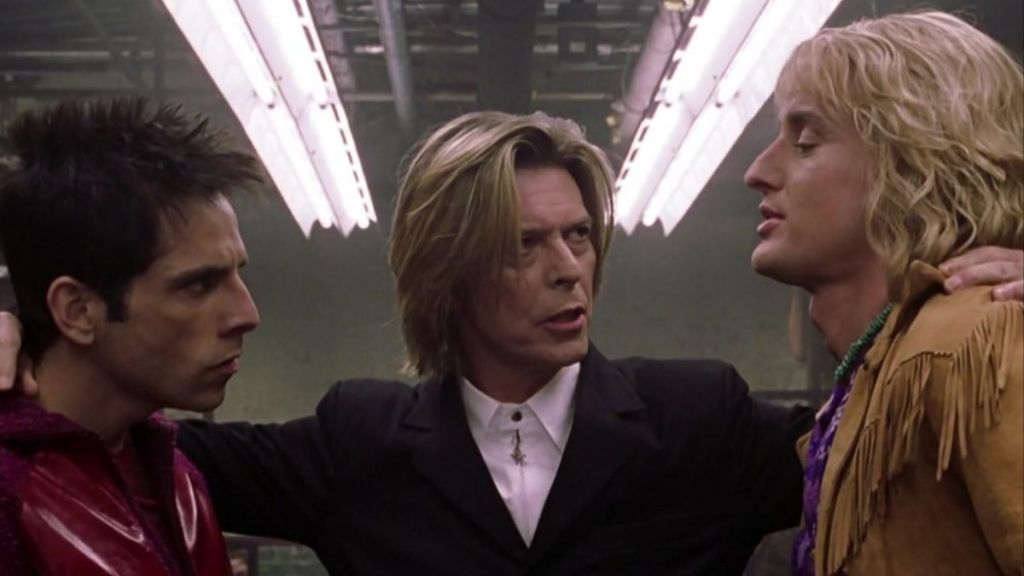
David Bowie, Zoolander
David Bowie appears only briefly as himself, yet his surprise role as the judge of a walk-off competition became one of the comedy’s most celebrated gags and a favorite among fans.
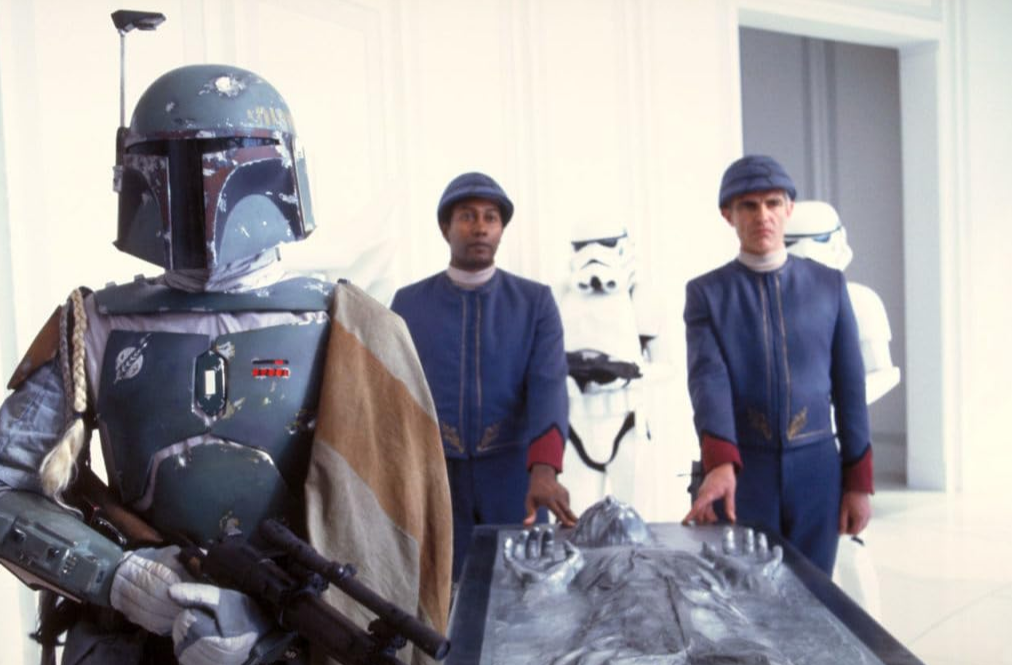
Jeremy Bulloch, The Empire Strikes Back
Jeremy Bulloch’s Boba Fett has remarkably little screen time in the original trilogy. Nevertheless, the bounty hunter became one of the most popular characters in the entire Star Wars franchise through sheer cool-factor alone.