15 Facts from the Troubled History of Hollywood

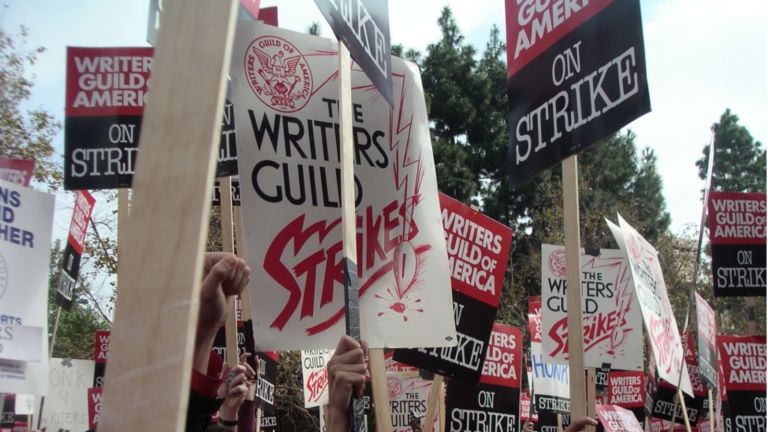
In the early days of Hollywood, movie studios controlled almost every part of an actor’s career. They decided which roles performers accepted, how they looked in public, and sometimes even what they could say in interviews. That level of control was only one chapter in an industry shaped by censorship battles, political investigations, labor disputes, and legal fights that changed filmmaking forever.
Here are 15 facts from the troubled history of Hollywood.
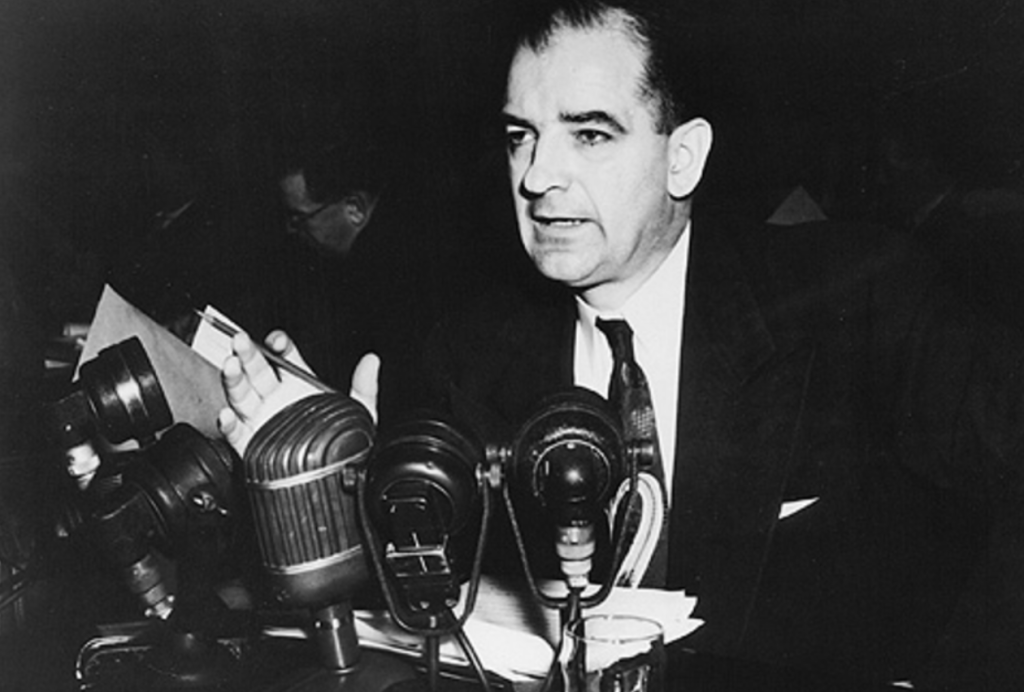
The Hollywood Blacklist
During the late 1940s and 1950s, hundreds of writers, directors, and actors found themselves unable to work after being accused of communist sympathies. Many were never formally charged with a crime, yet their careers were effectively put on hold for years.
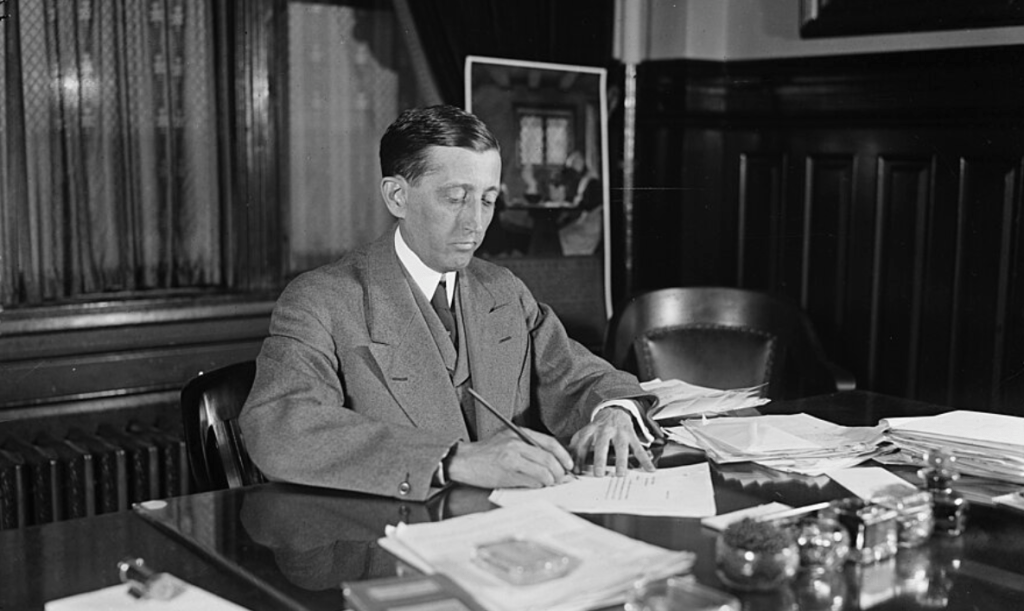
The Hays Code changed what audiences could see
For more than three decades, Hollywood followed strict censorship rules that limited everything from romance and violence to crime and even the way married couples could be shown on screen.
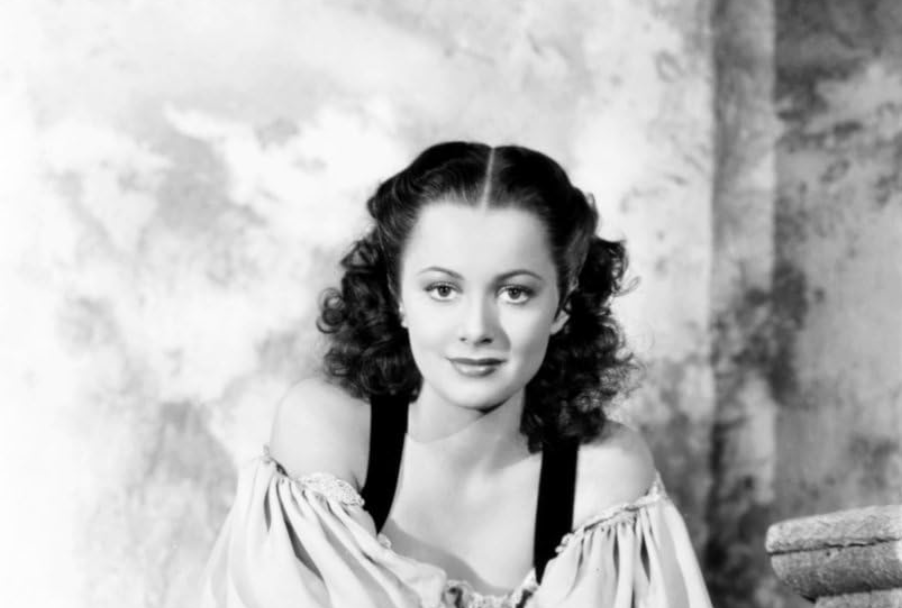
Olivia de Havilland challenged the studio system
In 1943, Olivia de Havilland successfully sued Warner Bros., helping actors escape restrictive long-term contracts that had given studios enormous control over their careers.
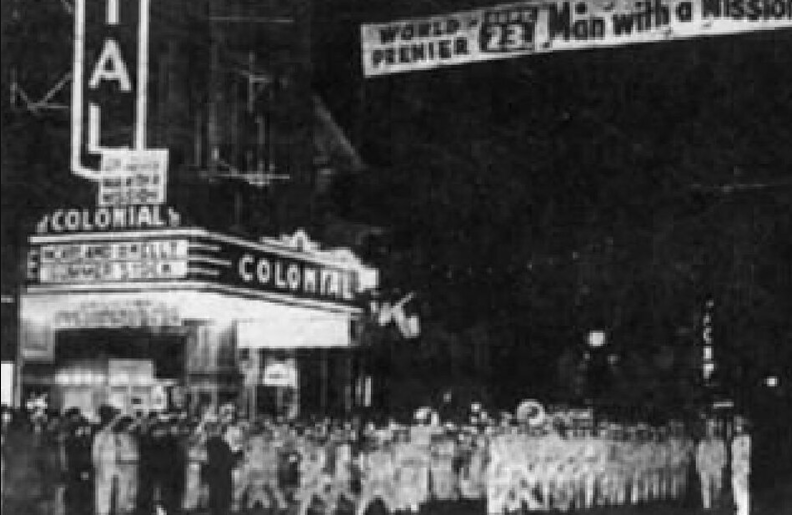
The Paramount Decree broke up Hollywood’s biggest monopoly
A landmark 1948 court ruling forced major studios to sell their theater chains, changing the way movies were distributed across the United States.
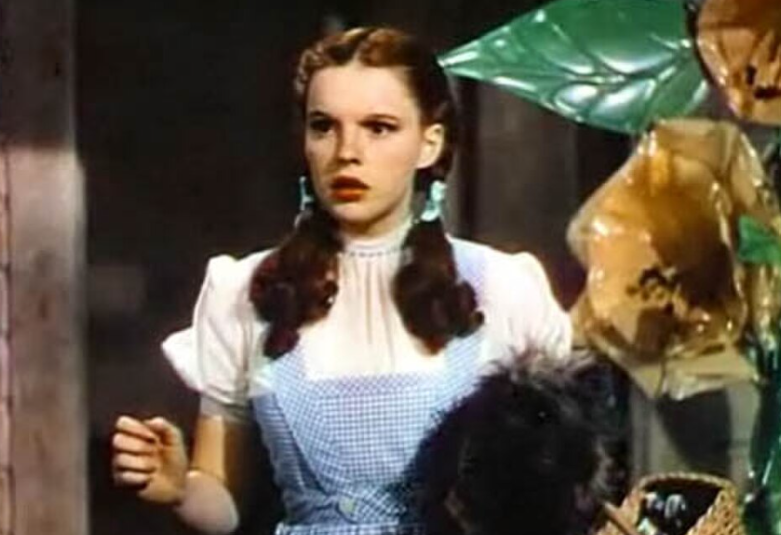
Judy Garland paid the price of becoming a child star
While working under MGM, Garland was reportedly given pills to help control her weight and energy levels, highlighting the intense pressure young performers often faced during Hollywood’s Golden Age.
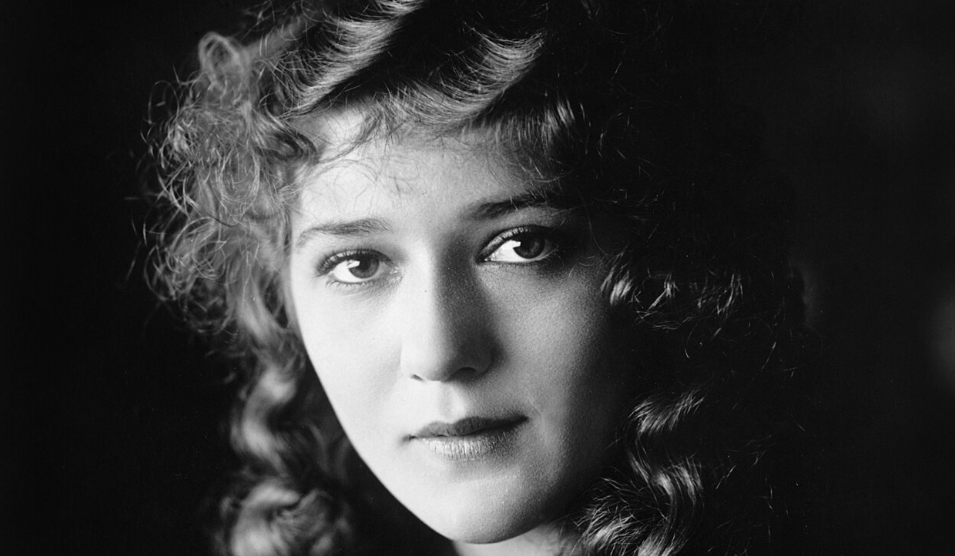
United Artists was created to give filmmakers more control
Charlie Chaplin, Mary Pickford, Douglas Fairbanks, and D.W. Griffith founded United Artists in 1919 because they wanted greater creative and financial independence from the major studios.
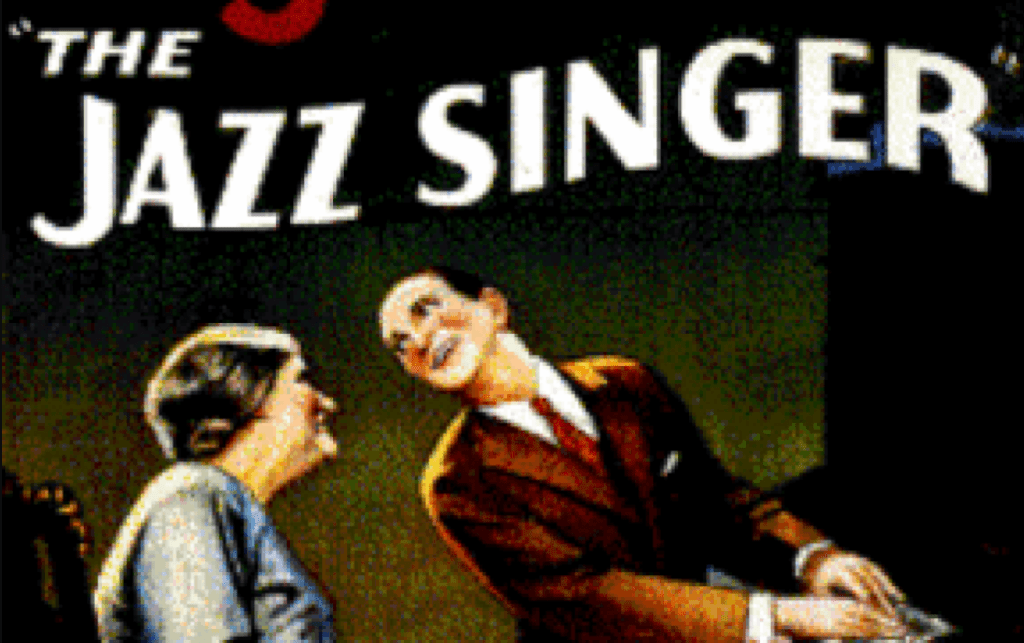
Sound movies changed Hollywood almost overnight
When talking pictures replaced silent films, many actors struggled to adapt because of their voices, accents, or performance style. Some of the biggest stars of the silent era quickly disappeared from the spotlight.
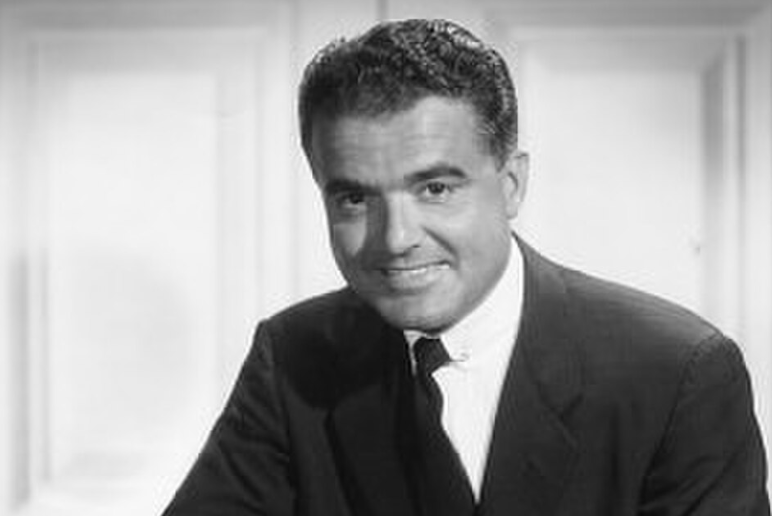
Movie ratings replaced strict censorship
In 1968, Hollywood abandoned the Hays Code and introduced the MPAA ratings system instead. Filmmakers gained much more creative freedom while audiences received clearer guidance about movie content.
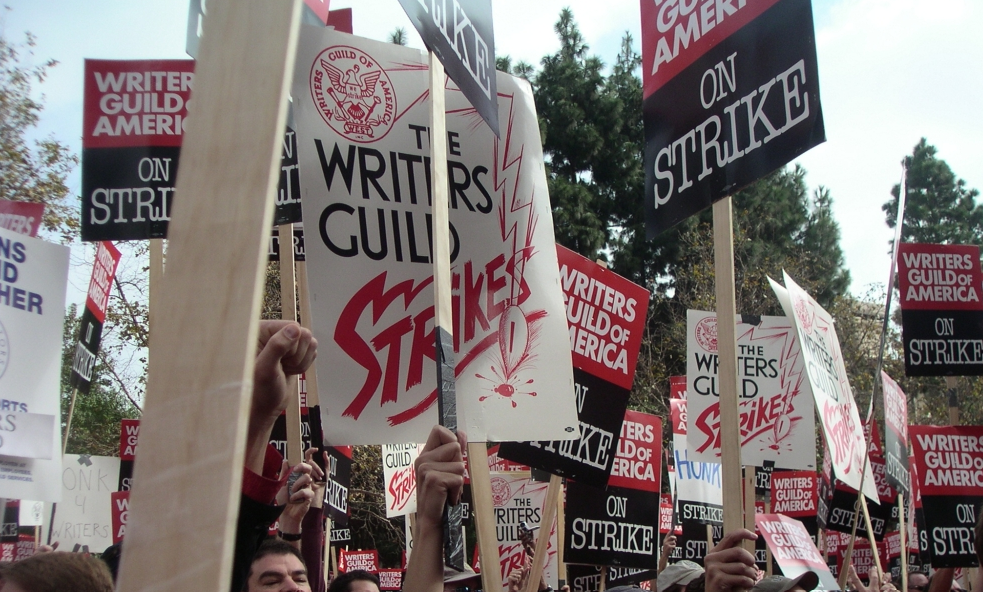
The 2007 writers’ strike brought productions to a halt
Television series and movie projects across Hollywood were delayed for months as writers fought for better compensation in the early days of streaming and digital distribution.
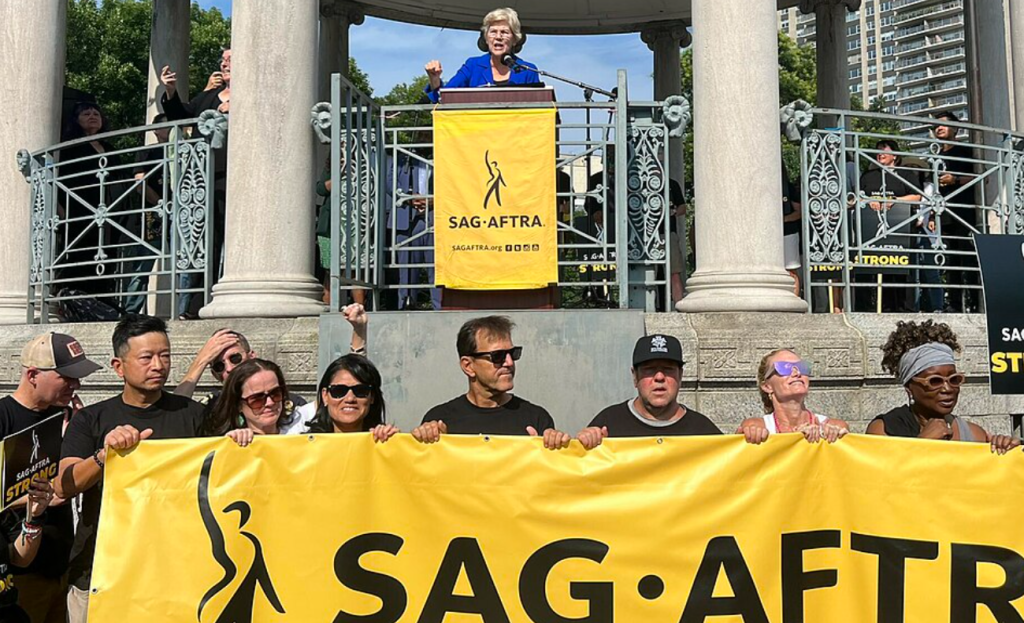
The 2023 Hollywood strikes focused on streaming and AI
Writers and actors walked picket lines together while negotiating higher streaming residuals, better working conditions, and protections against the growing use of artificial intelligence.
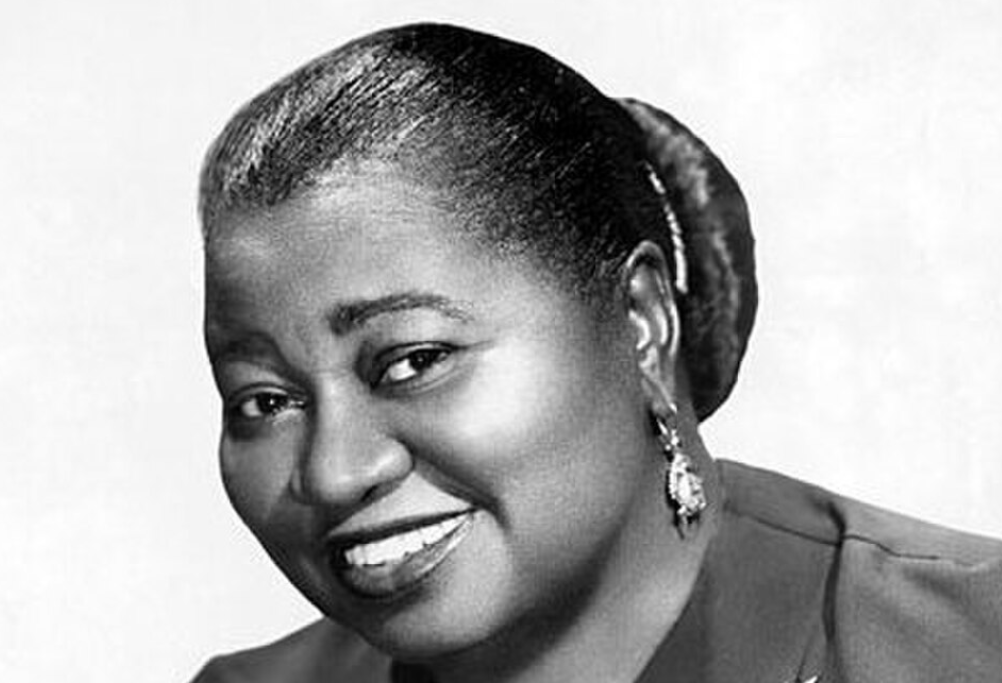
Hattie McDaniel made history but still faced segregation
After becoming the first Black performer to win an Academy Award in 1940, McDaniel was required to sit at a separate table because the ceremony took place in a segregated hotel.
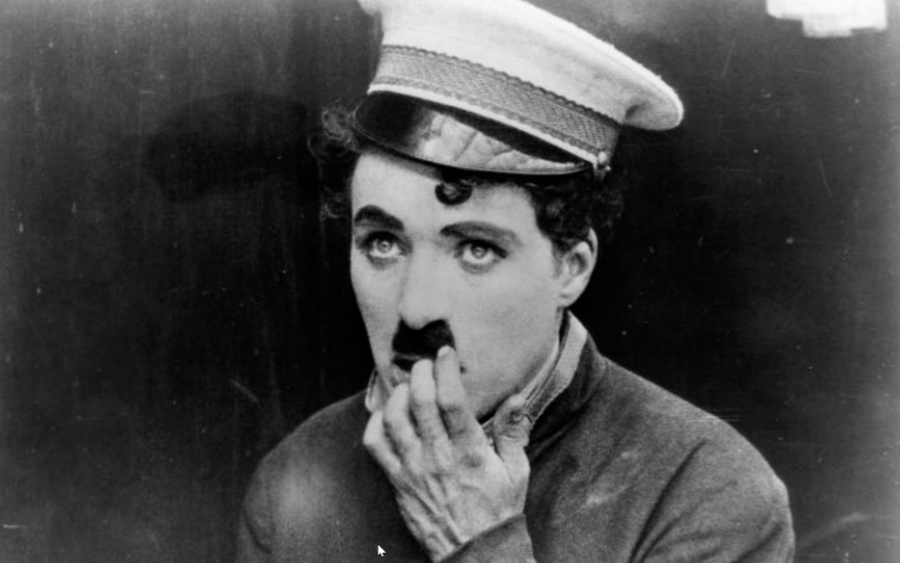
Charlie Chaplin became a political target
During the Red Scare, Chaplin was accused of having communist sympathies. Although he was never convicted of a crime, the controversy contributed to his decision to settle in Europe.
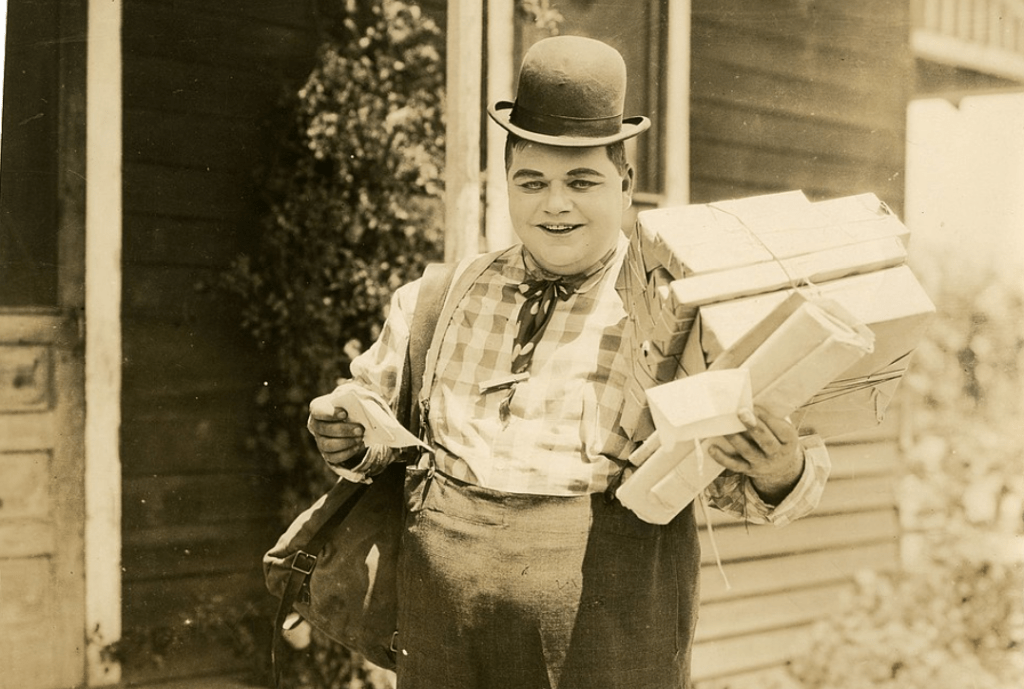
The Fatty Arbuckle scandal transformed Hollywood’s public image
Roscoe “Fatty” Arbuckle was acquitted after being accused in one of Hollywood’s earliest major scandals, but the case permanently damaged his career and pushed studios to exercise tighter control over their stars’ public reputations.
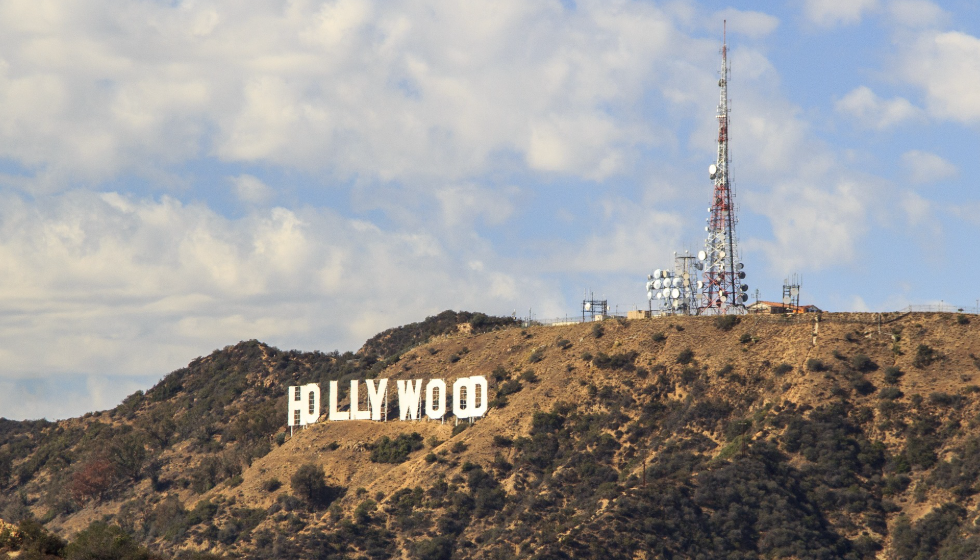
Studios once controlled nearly every part of an actor’s career
For decades, major studios decided which films performers made, how they dressed, what interviews they gave, and even how they appeared in public, leaving many actors with little control over their own image.
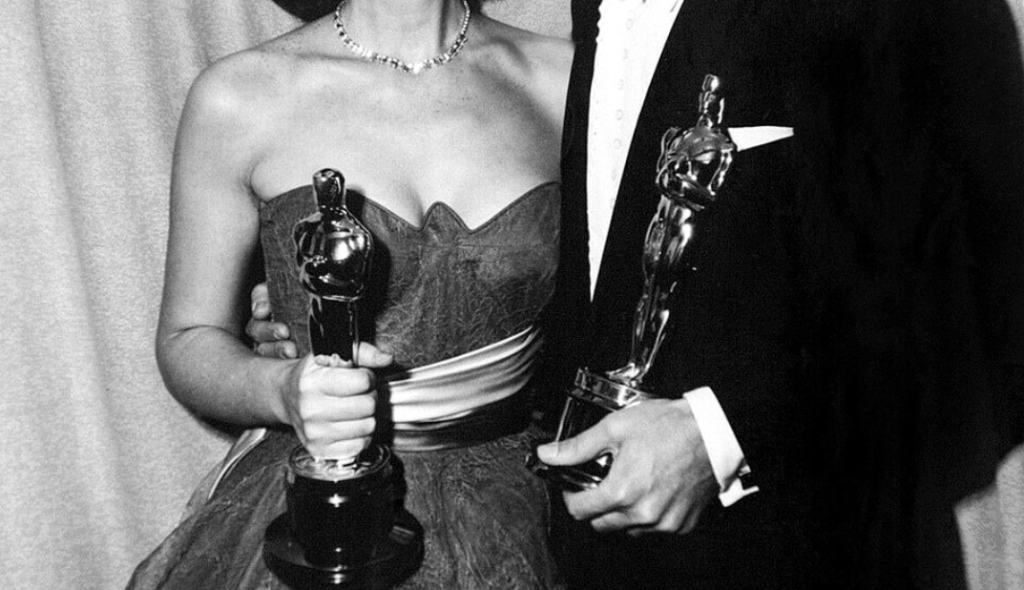
The Oscars weren’t televised until 1953
For more than two decades, the Academy Awards had no television audience. Once the ceremony entered American living rooms, it quickly became one of Hollywood’s biggest annual events.