14 Horror Villains Who Don’t Even Feel That Scary

Not every horror villain earns a reputation through fear alone. Some became icons because of memorable designs, creative concepts, or unforgettable performances, even if they are not especially frightening by today’s standards. Others have appeared in so many sequels, parodies, and pop culture references that much of their original menace has faded over time. That does not make them bad characters. Many remain essential to the history of horror and continue to entertain new generations of fans. Looking back at them now, it is easy to admire their legacy while realizing that plenty of them inspire curiosity or laughter more often than genuine fear.
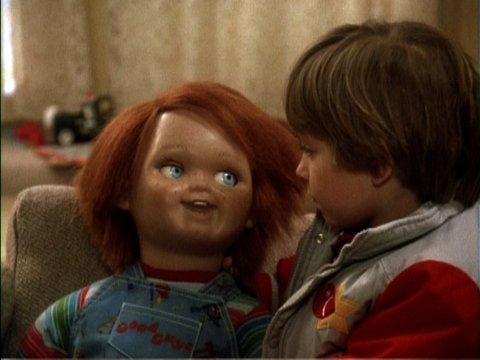
Chucky in Child’s Play (1988)
Once the surprise of seeing a killer doll wore off, Chucky became better known for his sarcastic personality and dark humor than for being genuinely terrifying.
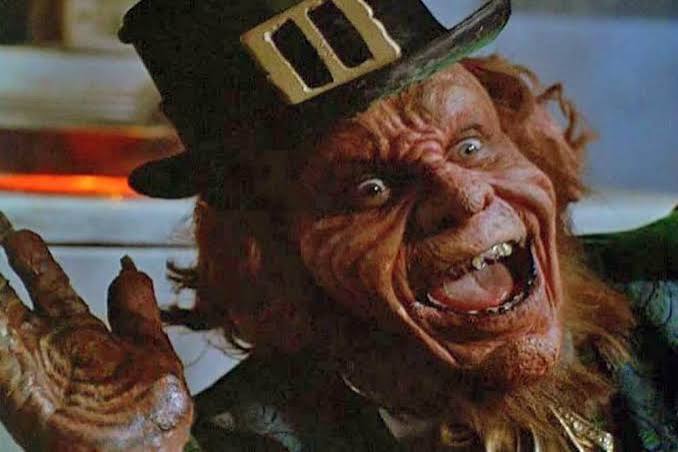
Leprechaun in Leprechaun (1993)
His obsession with gold and constant stream of jokes give him far more personality than menace, making many of his appearances feel closer to horror comedy.
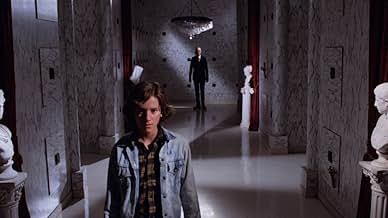
The Tall Man in Phantasm (1979)
Despite his eerie appearance and supernatural powers, much of his mystique comes from atmosphere rather than direct scares, making him feel more mysterious than frightening.
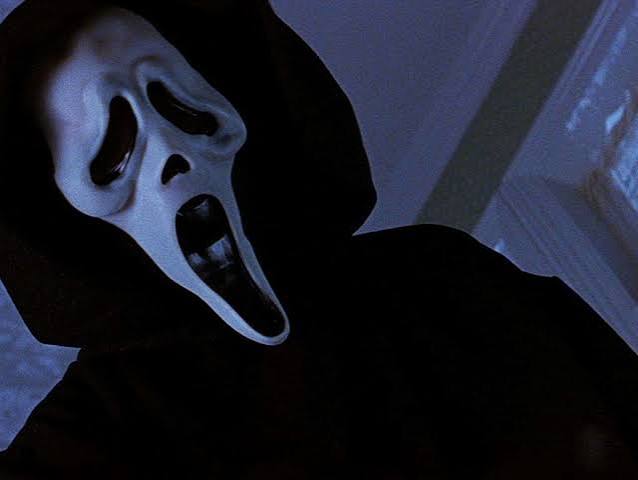
Ghostface in Scream (1996)
Ghostface is iconic, but the costume often hides ordinary people who trip, get injured, and make mistakes throughout the films, making the killer feel surprisingly vulnerable.
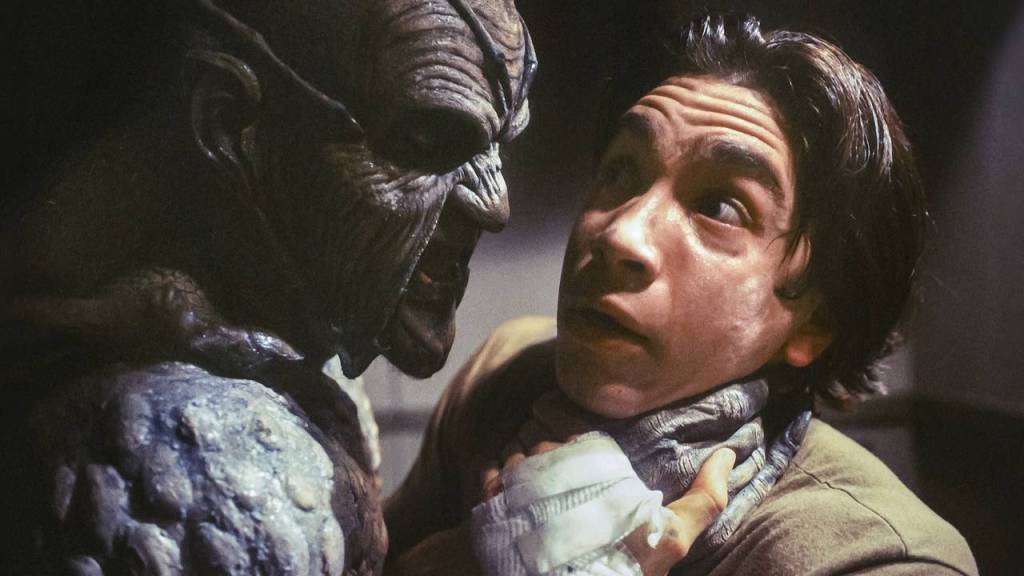
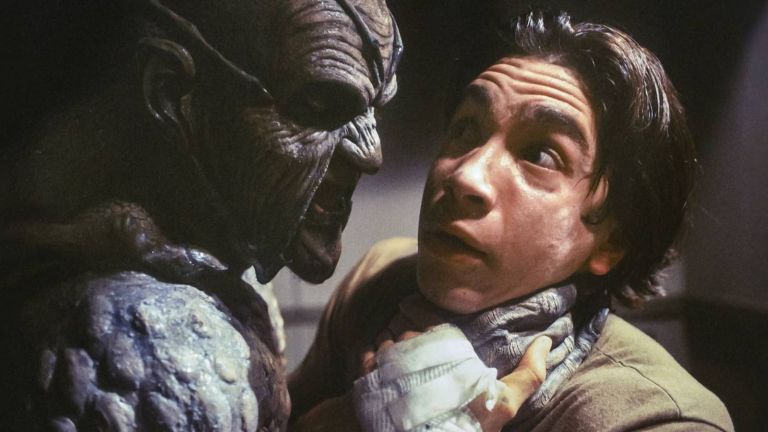
The Creeper in Jeepers Creepers (2001)
His unsettling design is memorable, but his long periods of watching victims before acting can reduce the sense of immediate danger.
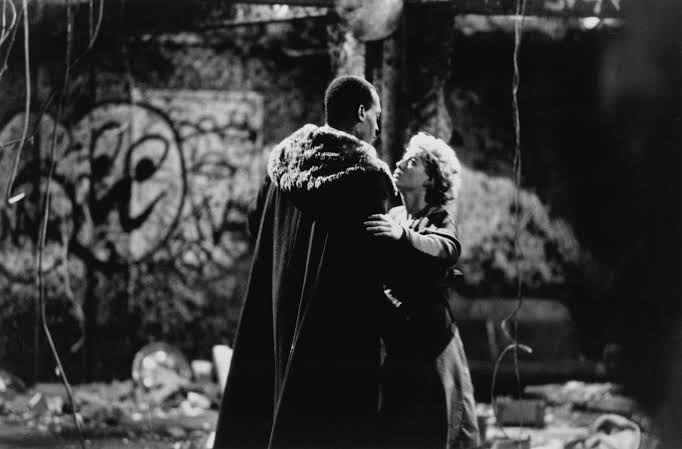
Candyman in Candyman (1992)
The legend is haunting and the performance unforgettable, yet Candyman appears so selectively that the fear often comes from the myth surrounding him rather than his actions.
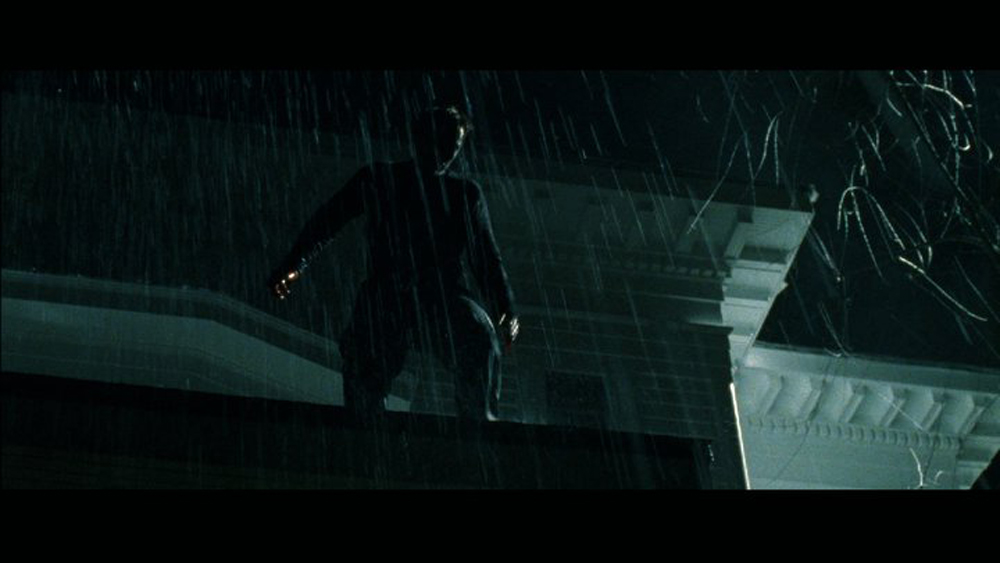
The Collector in The Collector (2009)
His elaborate traps are disturbing, yet his careful planning sometimes makes him seem more like a criminal mastermind than an unstoppable horror monster.
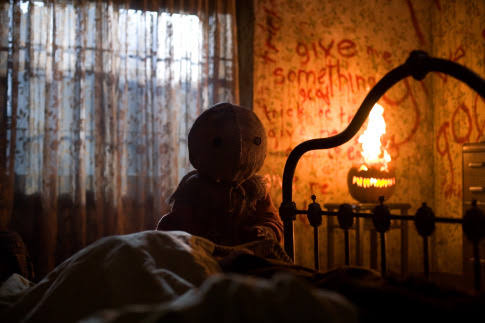
Sam in Trick ‘r Treat (2007)
The small masked figure has become a Halloween mascot whose appearance is more charming than terrifying despite enforcing the holiday’s twisted rules.
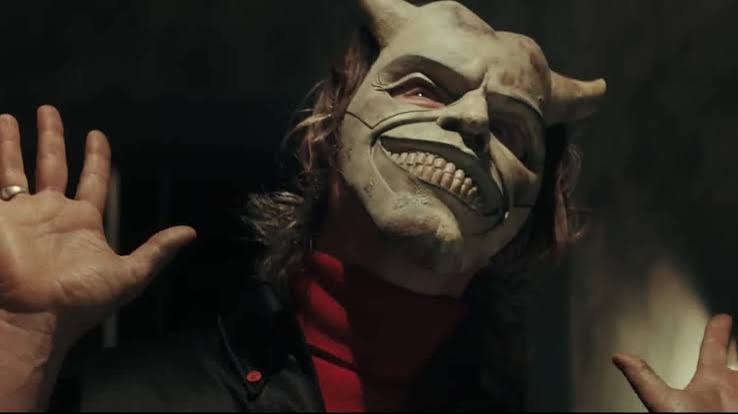
The Grabber in The Black Phone (2021)
Ethan Hawke’s performance is deeply unsettling, but much of the fear comes from the situation itself rather than the villain’s physical presence.
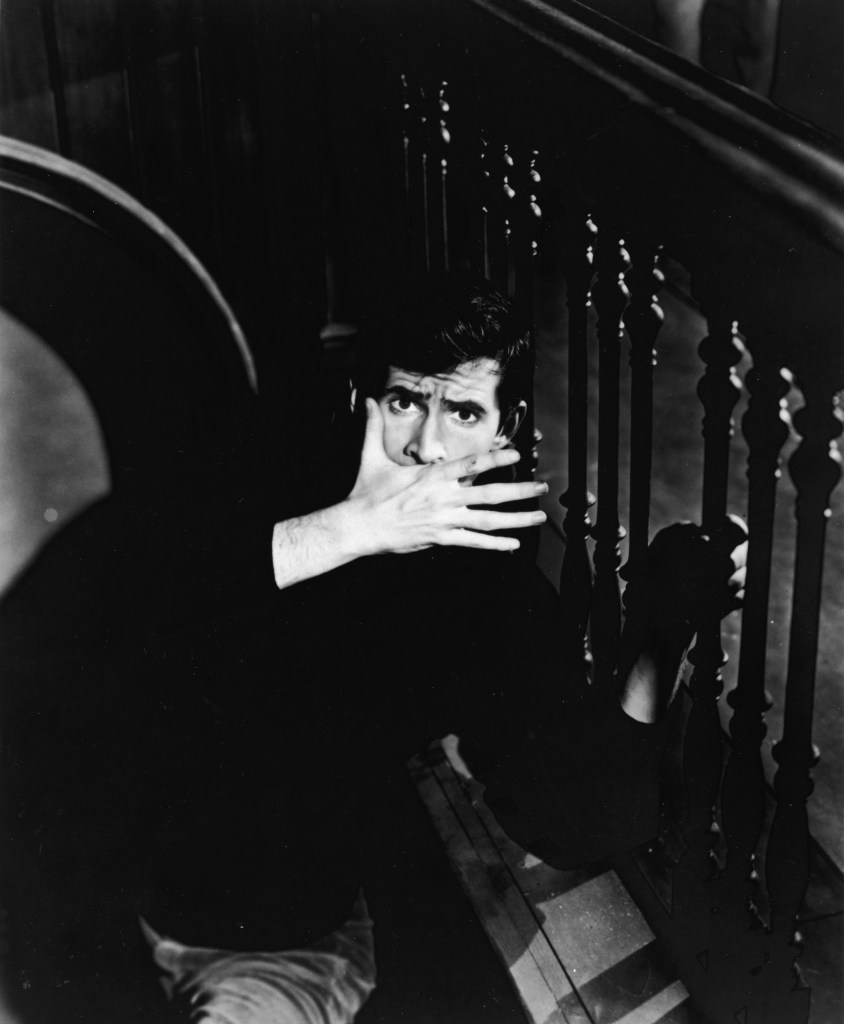
Norman Bates in Psycho (1960)
His psychological complexity has made him one of cinema’s greatest characters, though decades of influence have softened the shock that audiences experienced in 1960.
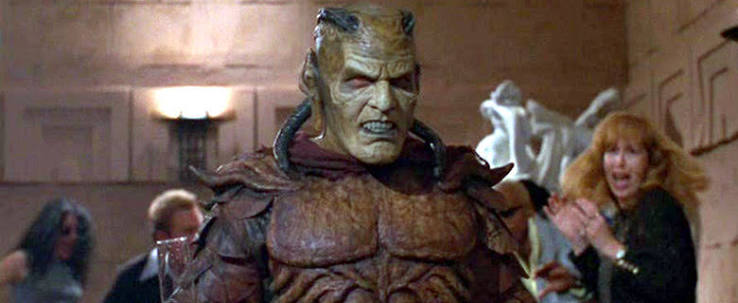
The Djinn in Wishmaster (1997)
The clever ways he twists people’s wishes are entertaining, but his theatrical personality often overshadows any lasting sense of fear.
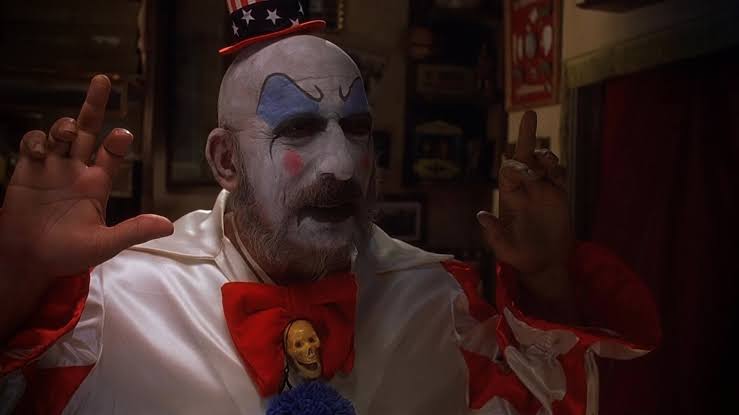
Captain Spaulding in House of 1000 Corpses (2003)
His unsettling jokes and unpredictable behavior make him memorable, yet he often comes across as more eccentric than truly terrifying.
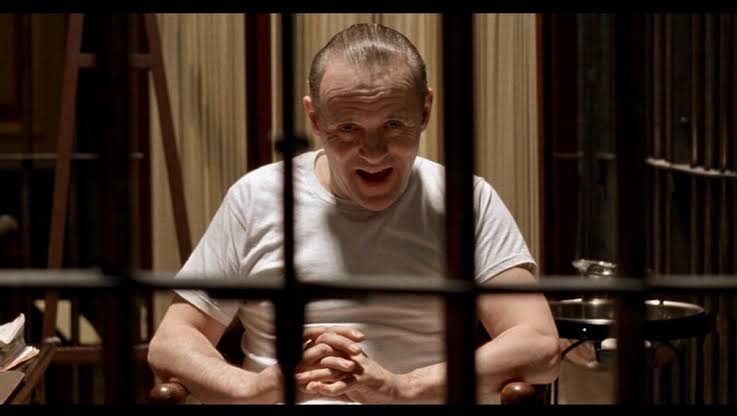
Hannibal Lecter in The Silence of the Lambs (1991)
Lecter is one of cinema’s greatest villains, but his intelligence, politeness, and limited screen time create fascination that often outweighs outright fear.
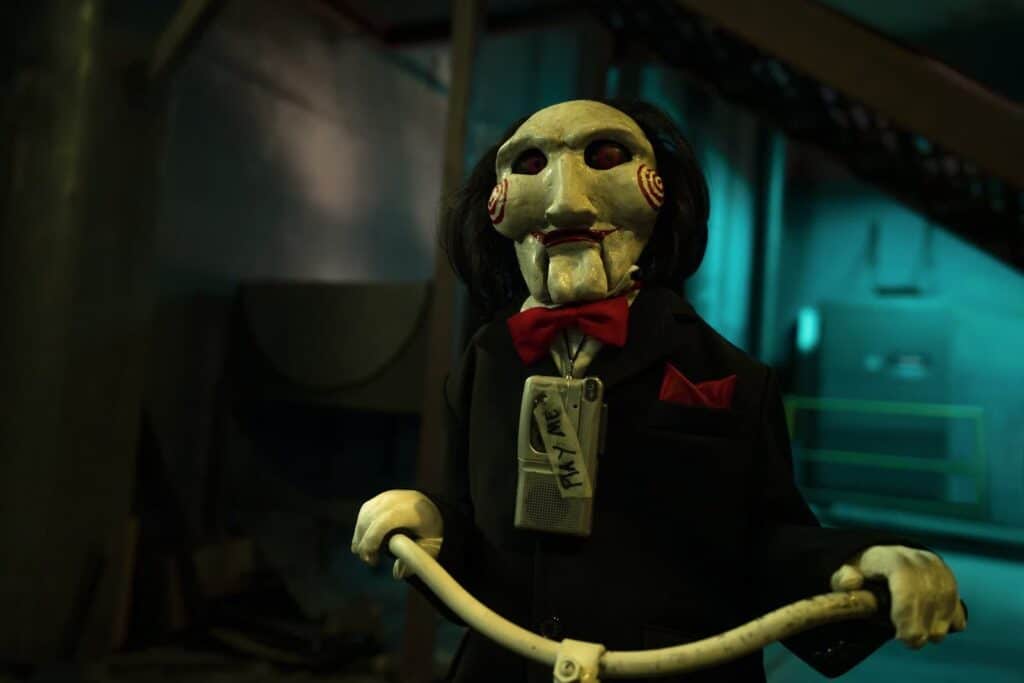
Billy the Puppet in Saw (2004)
Billy has become the face of the franchise, but he is only a messenger. The real danger comes from Jigsaw and his traps, leaving the puppet itself more recognizable than scary.