15 Unsettling Facts About Hollywood to Remind You of its Questionable Past

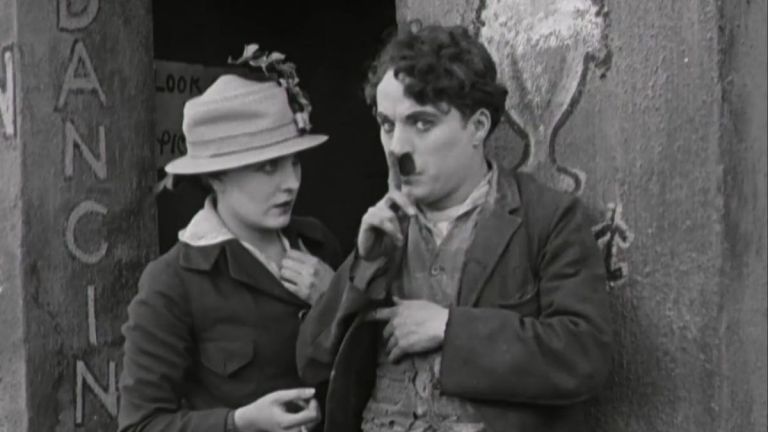
Hollywood’s Golden Age is often remembered as a glamorous era of dazzling premieres, legendary stars, and timeless classics. Behind the polished image, however, the industry was built on practices that would be considered deeply unethical today. Performers were tightly controlled by powerful studios, dangerous stunts were commonplace, and discrimination was often written into contracts and casting decisions.
While the film industry has evolved in many ways, its history includes countless uncomfortable chapters that deserve to be remembered alongside its greatest achievements. These unsettling facts reveal a darker side of Hollywood’s past that is easy to overlook.
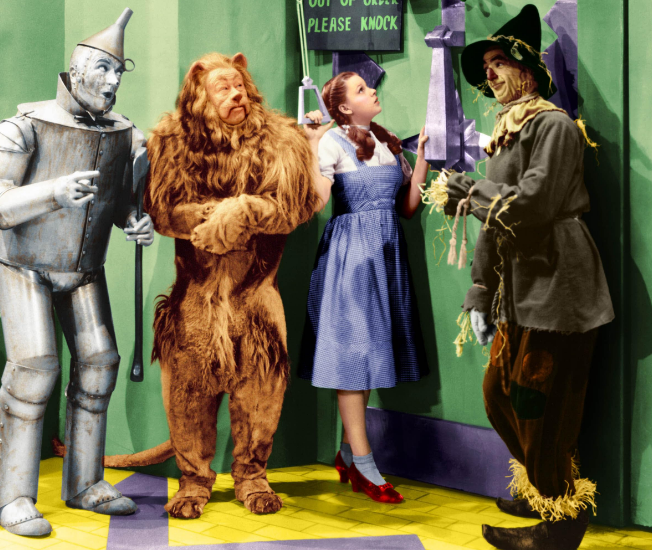
The Wizard of Oz Painted Its Tin Man With Aluminum Dust
Buddy Ebsen was originally cast as the Tin Man, but the aluminum makeup severely damaged his lungs, forcing him to leave the production after being hospitalized. Jack Haley replaced him with a safer makeup formula.
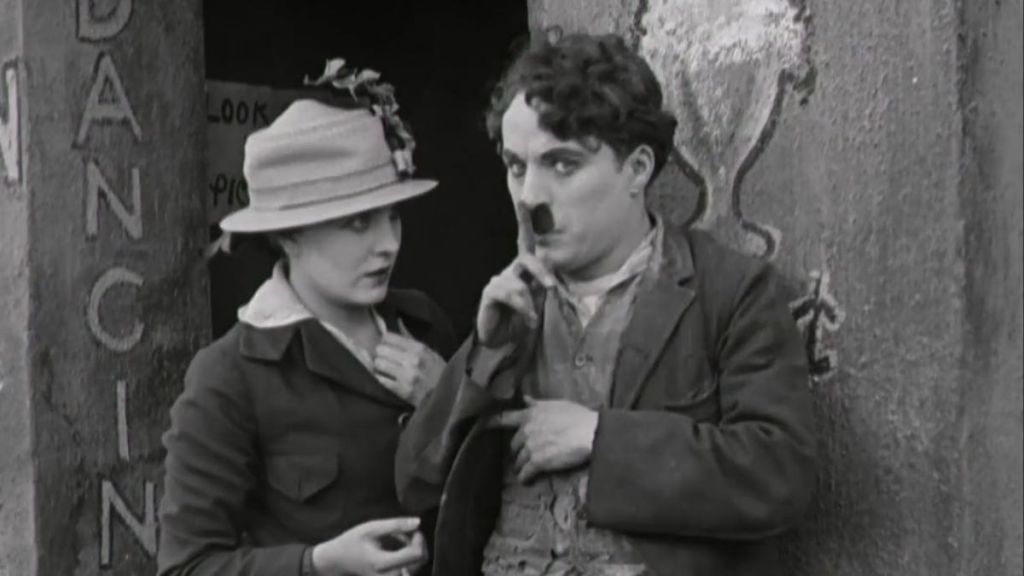
Charlie Chaplin Was Put on Trial Over a Child Who Wasn’t His
In one of Hollywood’s biggest scandals, Chaplin lost a paternity suit despite blood tests indicating he could not be the father. Blood typing was not yet accepted as legal evidence in California courts.
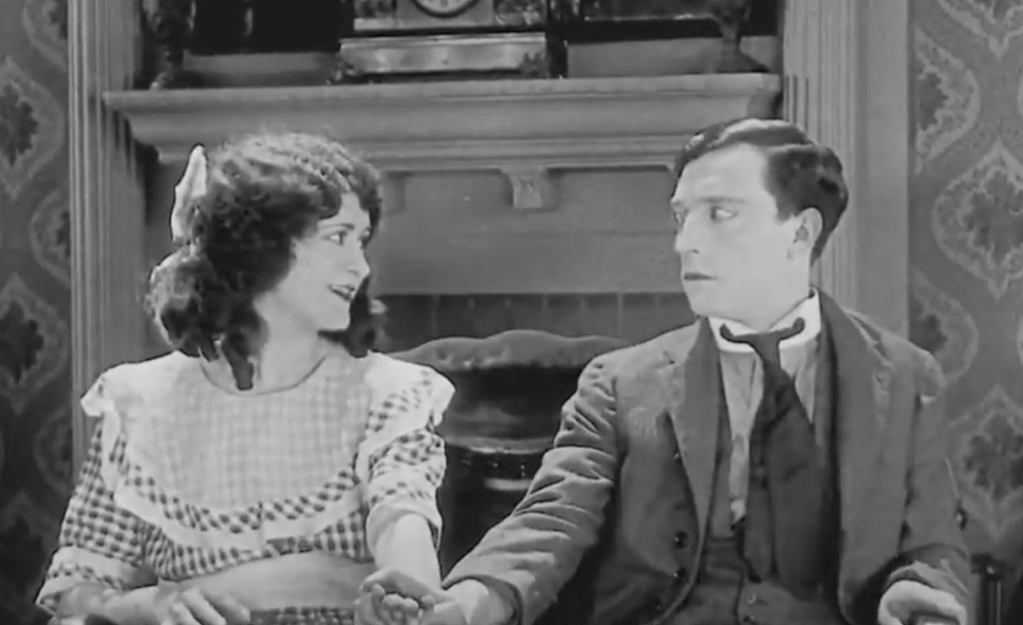
Buster Keaton Secretly Broke His Neck
While filming Sherlock Jr., Keaton performed a dangerous stunt involving a collapsing water tower. Years later, an X-ray revealed he’d actually fractured his neck during the scene and never realized it.
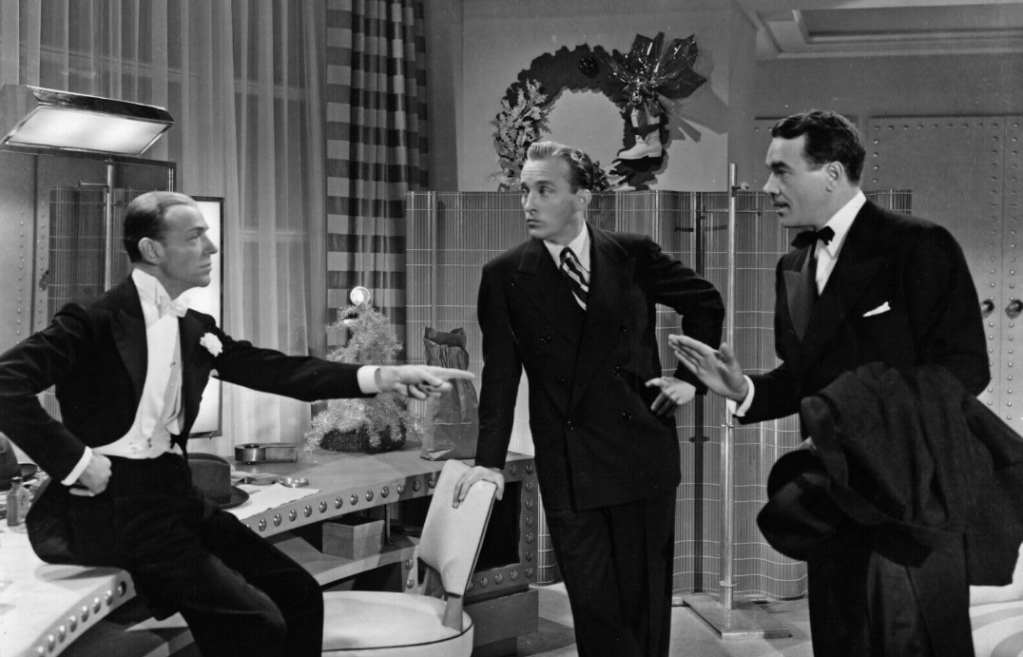
Hollywood Once Added Fake Snow Made of Asbestos
Before the health risks were fully understood, asbestos was widely used to create realistic snow on movie sets, including during productions in the 1930s and 1940s.
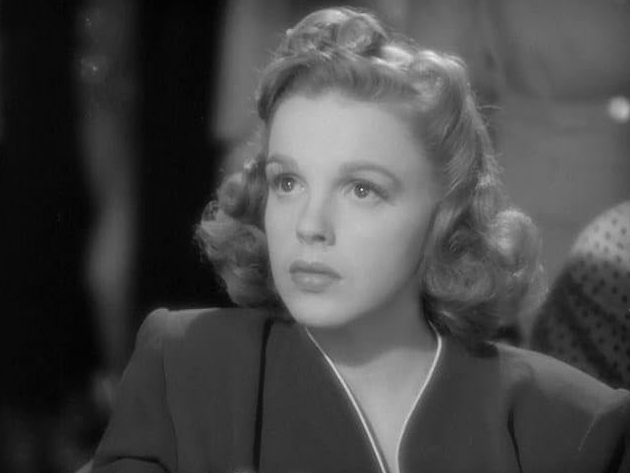
Judy Garland Was Reportedly Given Stimulants as a Teenager
MGM allegedly supplied teenage Judy Garland with amphetamines to maintain demanding production schedules and barbiturates to help her sleep, contributing to lifelong addiction struggles.
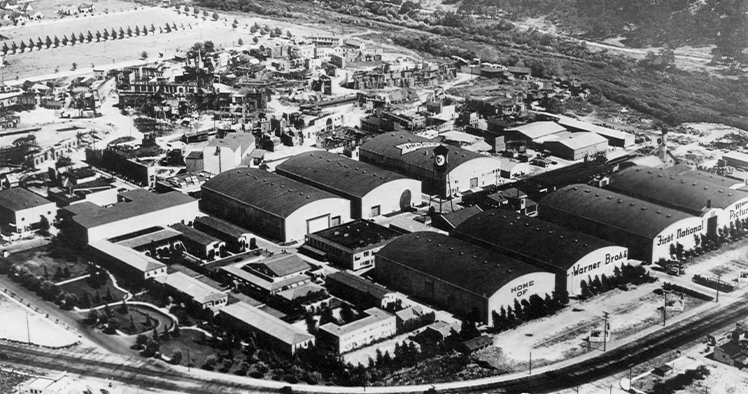
Publicists Invented Entire Celebrity Relationships
Golden Age studios routinely arranged fake romances to generate publicity or hide scandals. Some stars were contractually expected to appear together in public despite having no actual relationship.
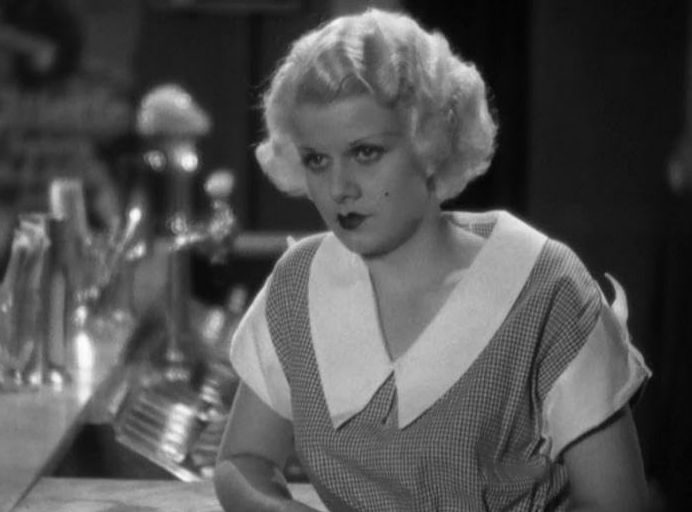
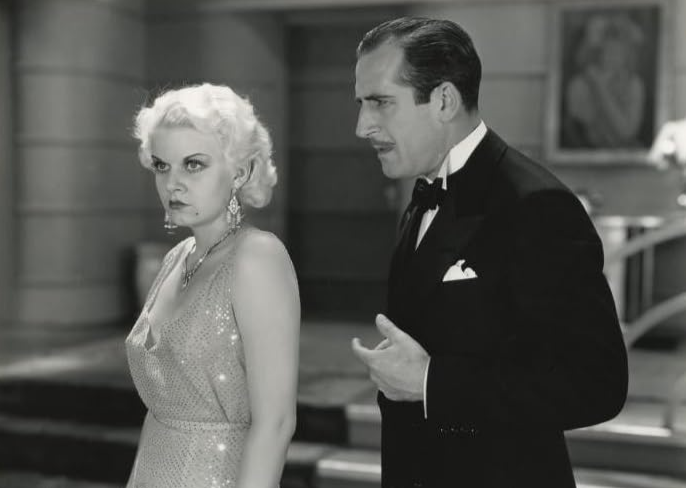
Jean Harlow’s Platinum Hair Came at a Price
Harlow’s signature platinum-blonde look required frequent bleaching with harsh chemicals, contributing to severe hair damage as studios prioritized her image over her well-being.
The Hollywood Blacklist Was Sparked by Congressional Hearings
The 1947 hearings of the House Un-American Activities Committee led to the blacklisting of hundreds of entertainment professionals, many of whom struggled to find work for years despite never being convicted of crimes.
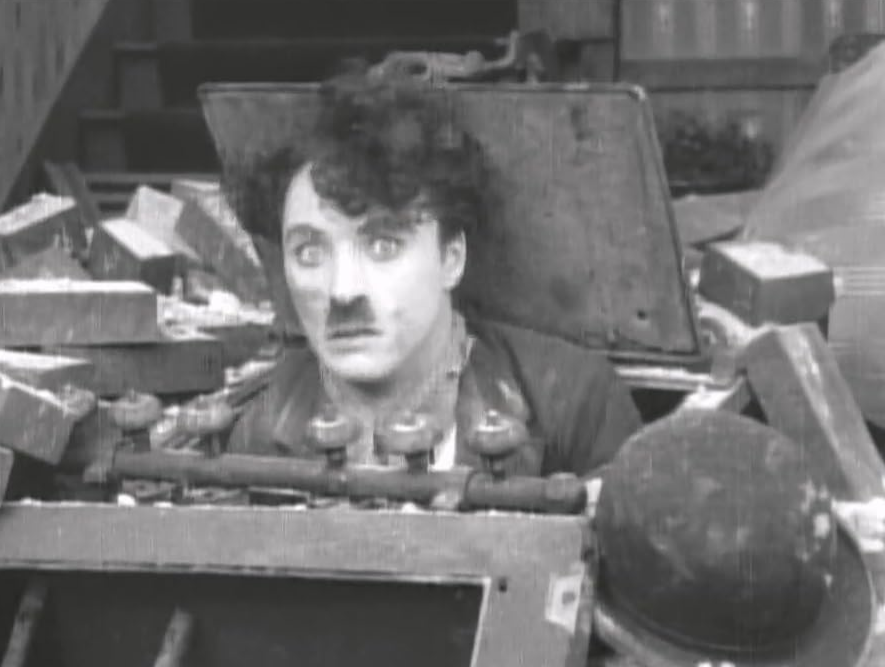
Silent Films Were Melted Down for Their Silver
Thousands of silent films disappeared because studios saw little value in preserving them. Many nitrate prints were deliberately destroyed or processed to recover the silver content from the film stock.
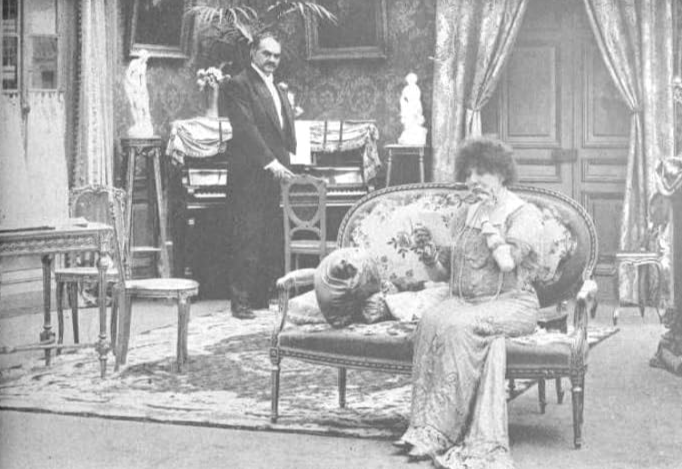
Sarah Bernhardt Filmed After Losing a Leg
Legendary actress Sarah Bernhardt had her right leg amputated in 1915 because of complications from an old injury. Remarkably, she continued acting on stage and in films, with productions adapting around her disability.
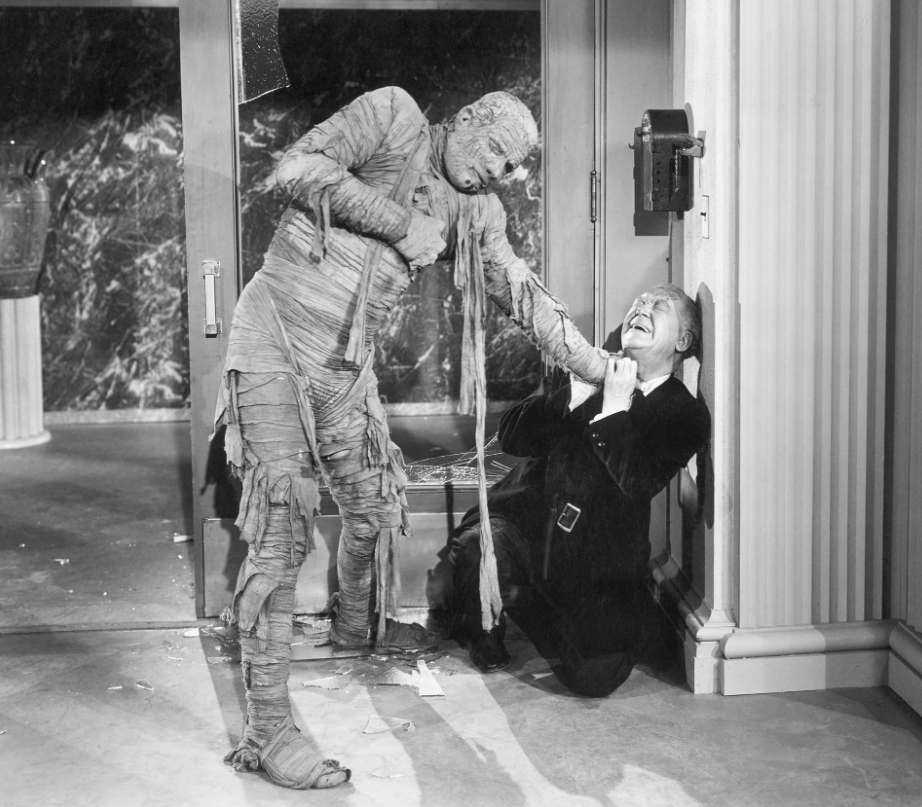
Lon Chaney Created His Own Painful Makeup Effects
Known as “The Man of a Thousand Faces,” Lon Chaney designed many of his own makeup techniques. For The Hunchback of Notre Dame and The Phantom of the Opera, he wore painful prosthetics and wire devices that caused significant physical discomfort.

Paul Mantz Died During Filming
Stunt pilot Paul Mantz was killed while filming The Flight of the Phoenix in 1965 after his aircraft crashed during a low-altitude sequence. Mantz had previously doubled for numerous Hollywood productions, including flying scenes connected to Superman serials.
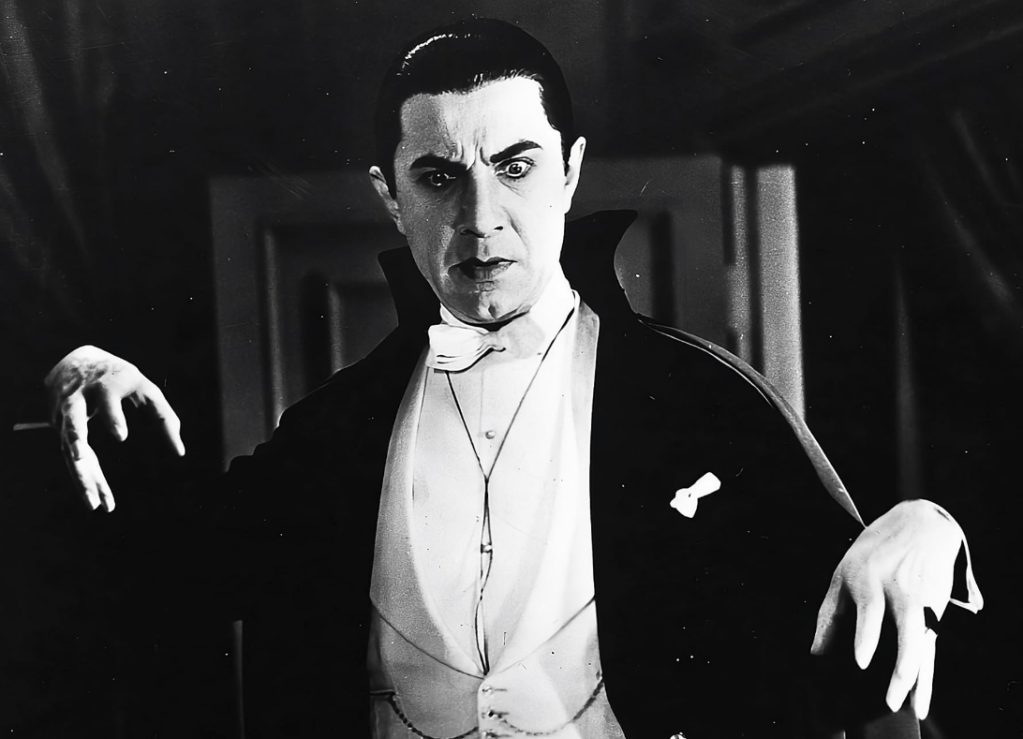
Bela Lugosi Was Buried as Dracula
When Bela Lugosi died in 1956, his family chose to bury him wearing one of his Dracula capes. The gesture reflected how closely the actor had become associated with the role that defined his career.
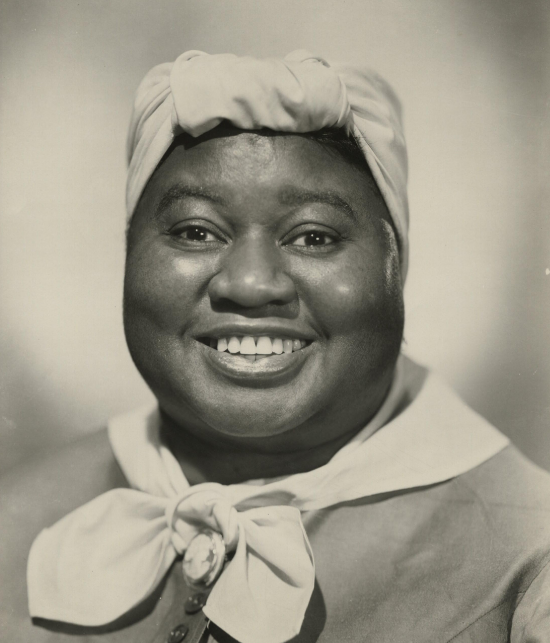
Hattie McDaniel Had to Sit Separately at the Oscars
After becoming the first Black performer to win an Academy Award for Gone with the Wind, Hattie McDaniel was required to sit at a segregated table at the back of the ballroom because of the venue’s racial segregation policies.
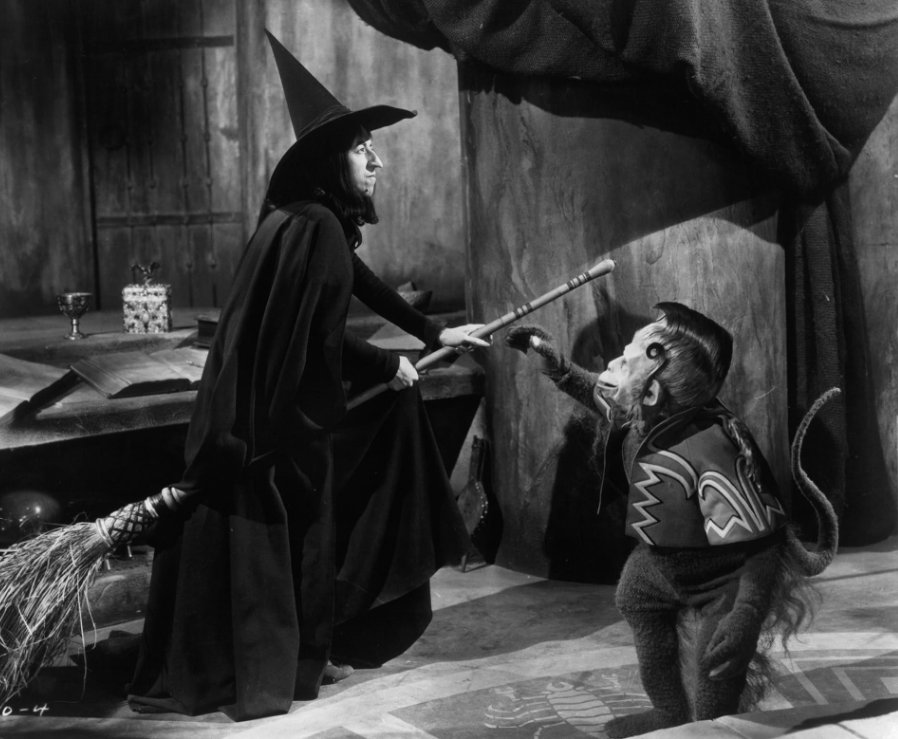
The Munchkins’ Costumes Were Washed in the Same Factory as Army Uniforms
Many of the elaborate Munchkin costumes from The Wizard of Oz were cleaned by the same industrial laundry that handled military uniforms. The harsh cleaning process caused rapid wear, forcing the wardrobe department to constantly repair or replace pieces during production.