15 Things You Didn’t Know About How to Make a Movie


Making a movie is often imagined as actors on set delivering lines and cameras rolling smoothly until everything is perfect. In reality, filmmaking is a highly technical and coordinated process that blends engineering, logistics, creative problem solving, and precise planning. Every shot involves dozens of decisions about light, movement, sound, and timing, often executed under strict schedules and limited resources. Even the most visually effortless scenes are usually the result of complex setups and careful control of the environment. From camera technology to lighting design and on set coordination, here are fifteen lesser known facts about how movies are actually made behind the scenes.
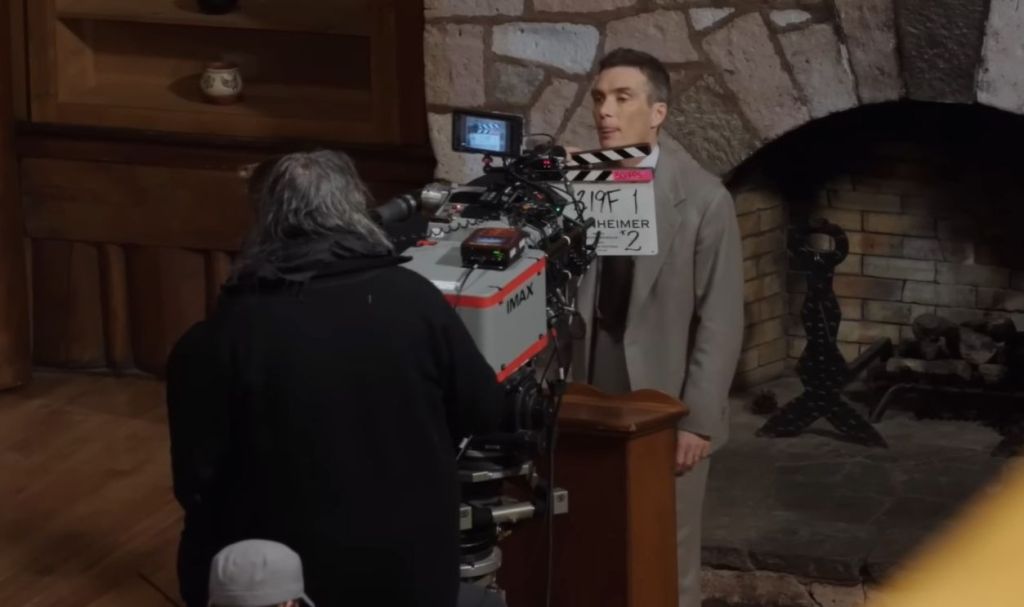
Shots are rarely filmed in sequence
Movies are rarely shot in story order. Scenes are grouped by location, lighting needs, and actor availability, which means the final story is assembled later in the editing room.

The “natural look” is usually carefully constructed
Scenes that appear realistic are often heavily designed with controlled lighting, hidden equipment, and precise framing to simulate spontaneity.
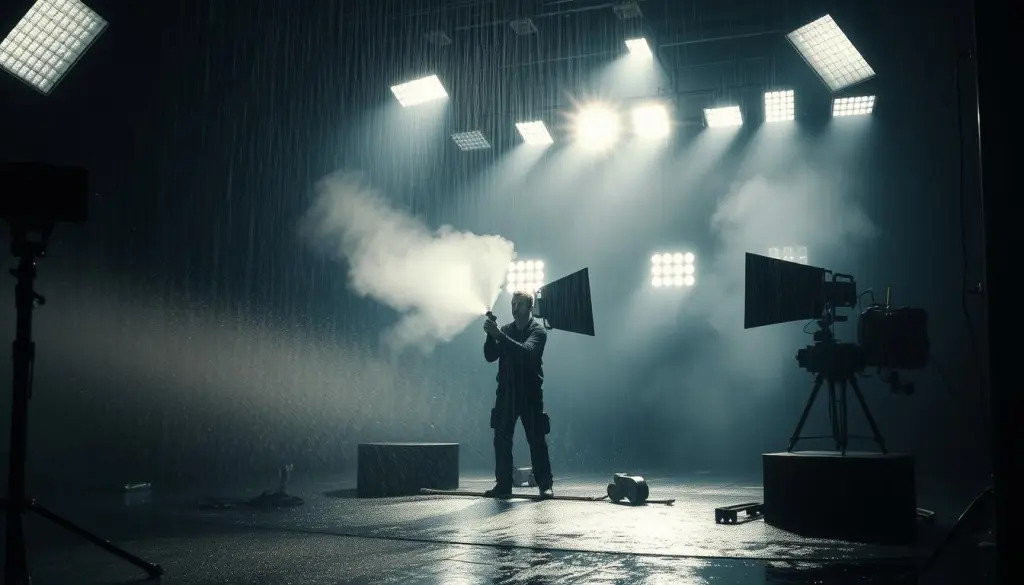
The weather is often simulated
Rain, fog, wind, and even sunlight can be artificially created using machines and lighting rigs to maintain consistency across takes.
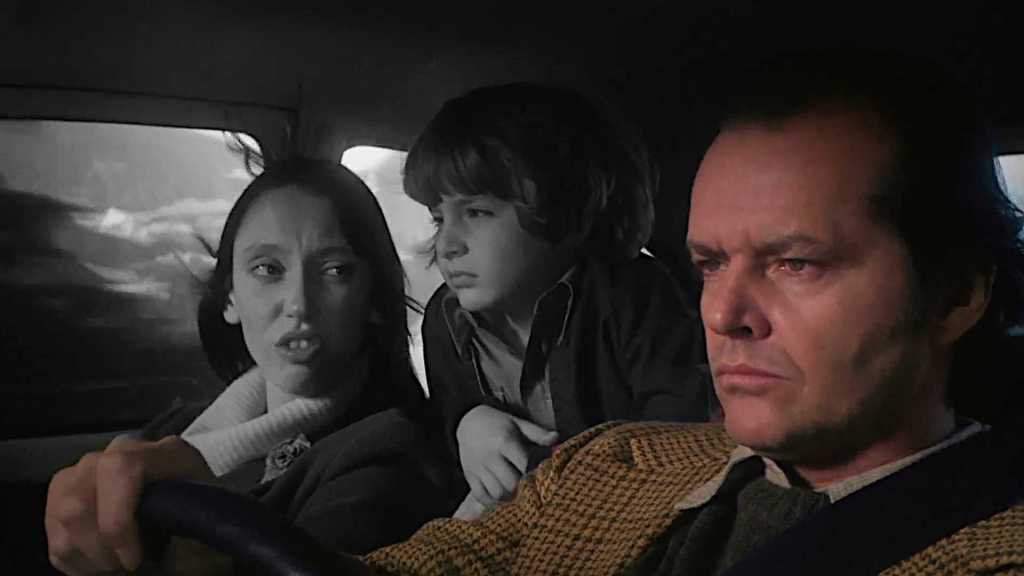
A single scene can take days to shoot
What appears on screen as a few seconds of action may require hours or even days of setup, lighting adjustments, and multiple takes to complete.
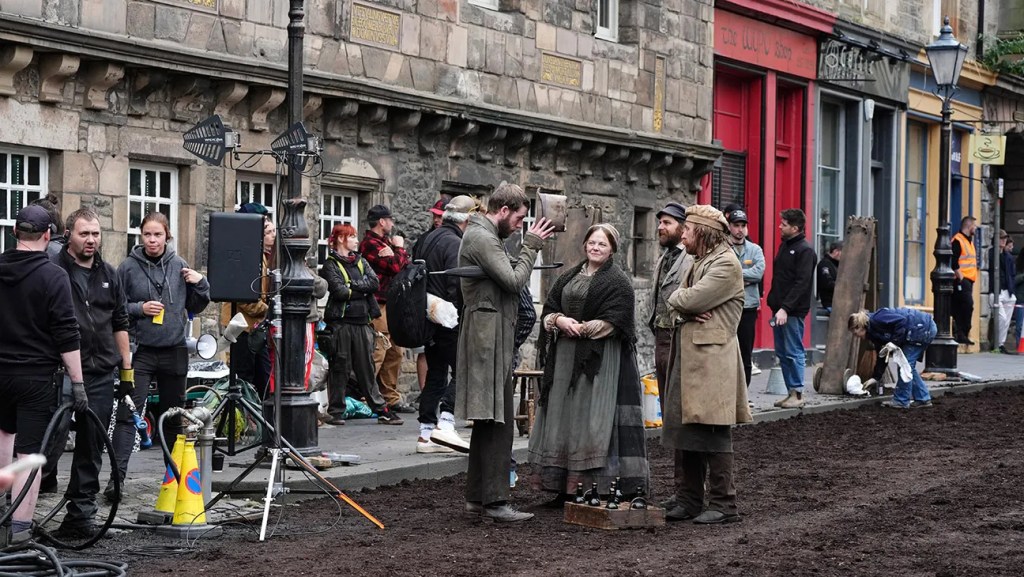
Background extras are carefully controlled
Even crowd scenes are directed with precision so movement supports the main action without distracting from it.
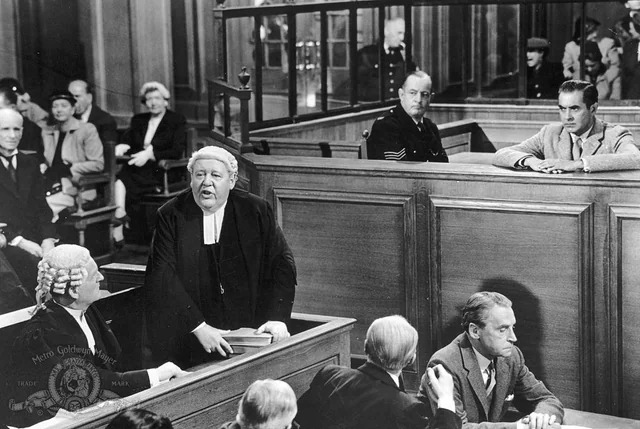
Blocking determines everything
Before filming, actors rehearse exact movements to coordinate with camera placement, lighting, and background action.
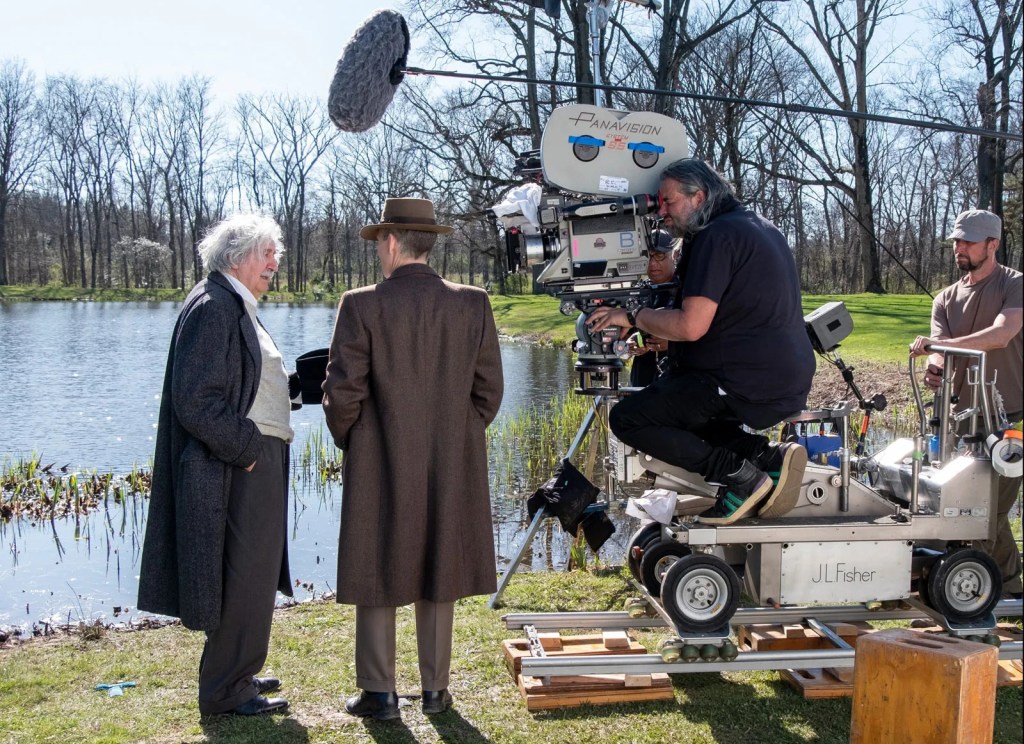
Cameras rarely move without planning
Even handheld shots are choreographed. Camera movement is blocked like choreography to match the actor’s timing and scene rhythm.
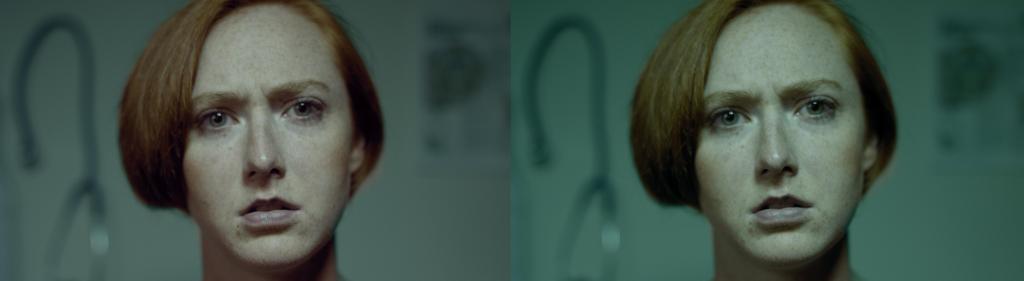
Colour is adjusted after filming
Colour grading in post-production can completely alter the mood, temperature, and emotional tone of a scene.
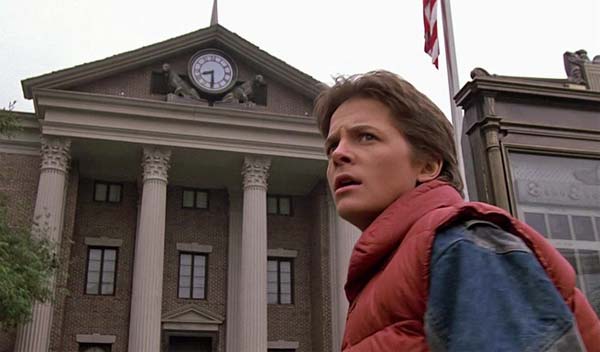
Continuity errors are constantly managed
A dedicated continuity team tracks every object, costume detail, and position to avoid visible changes between shots filmed hours apart.
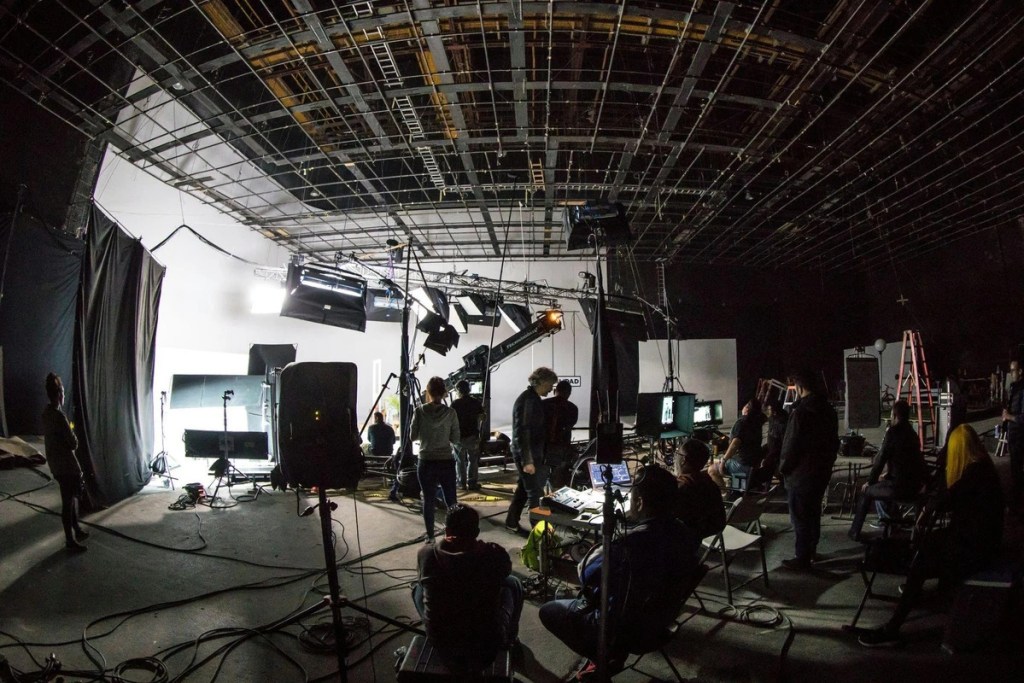
Film sets are built for angles, not realism
Walls are often removable, so cameras can fit inside rooms. Entire environments are designed to be functional for filming rather than fully realistic.
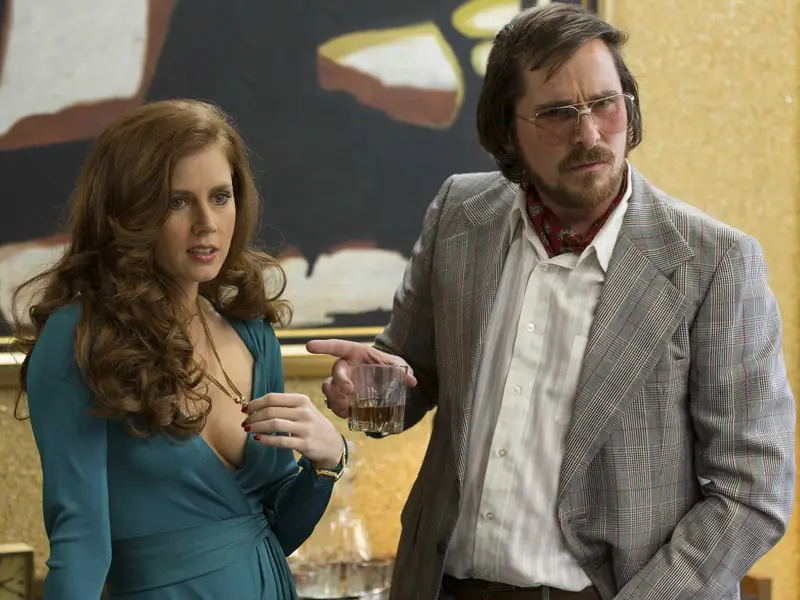
Lens choice changes how actors appear
Different lenses can make faces look wider, flatter, or more cinematic, which subtly changes how audiences perceive performance.
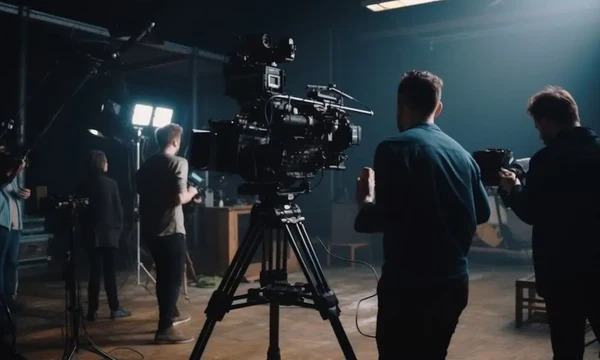
Lighting is often more important than the camera
Cameras capture the image, but lighting defines mood, depth, and focus. Entire scenes can change emotionally depending on how light is shaped and positioned.
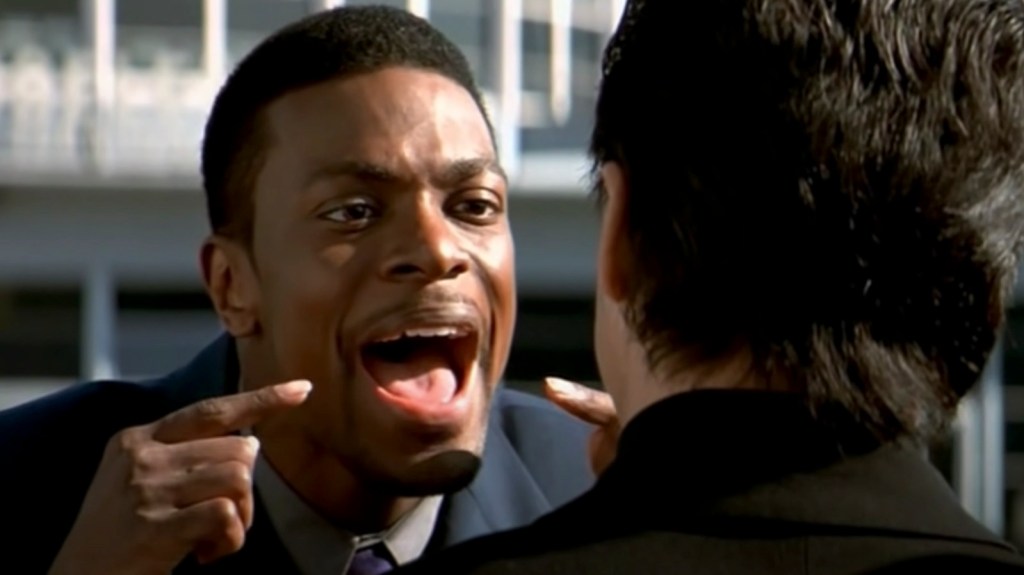
Most dialogue is recorded separately
On set sound is often unusable due to noise, so actors frequently re-record their lines in a studio during post-production in a process called ADR.
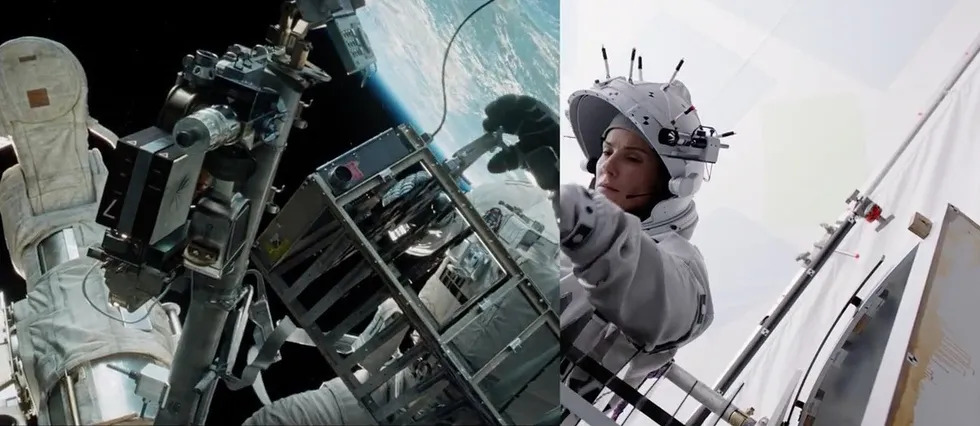
Most special effects are invisible
Even in modern blockbusters, many effects are practical or subtle digital enhancements designed to go unnoticed.
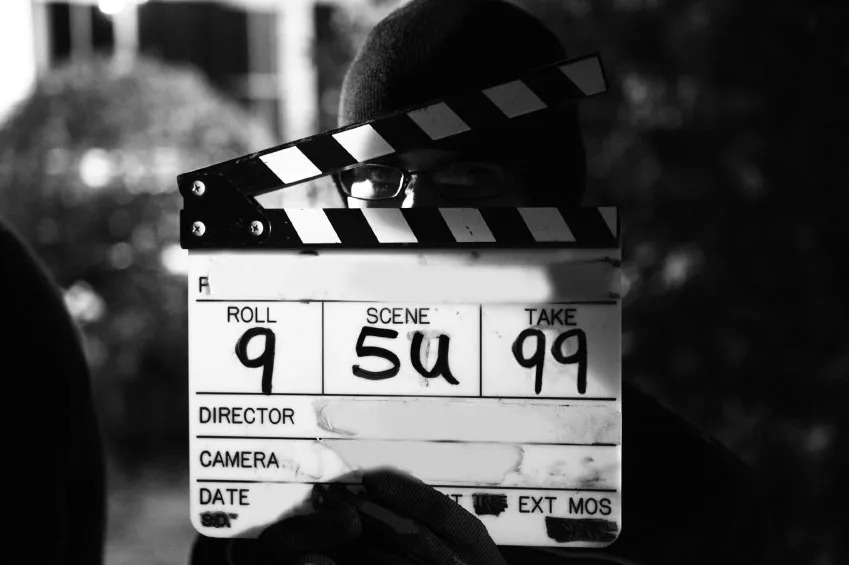
Scenes are often filmed out of order on the same day
A single location might host multiple scenes from different parts of the story, all shot back to back for efficiency.