15 Once-Common TV Tropes You Just Can’t Do Anymore

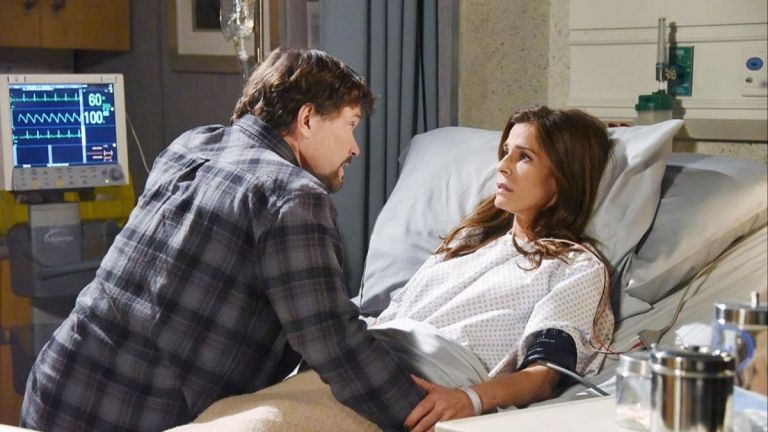
TV Tropes are elements of television shows that get repeated constantly, working as plot threads that audiences know and recognize. They might seem repetitive, but it’s a way to suspend our disbelief and accept that this is the reality the show works with. The show must go on.
But as people’s sensitivities change, so too do the things they’ll accept in their shows. Therefore, certain Tropes are no longer usable, since you’ll lose audience, money, and likely get ‘cancelled.’ It should be said, for good reason, since these added sensitivities are here to stay, letting us accept people of all backgrounds and not making jokes at their expense.
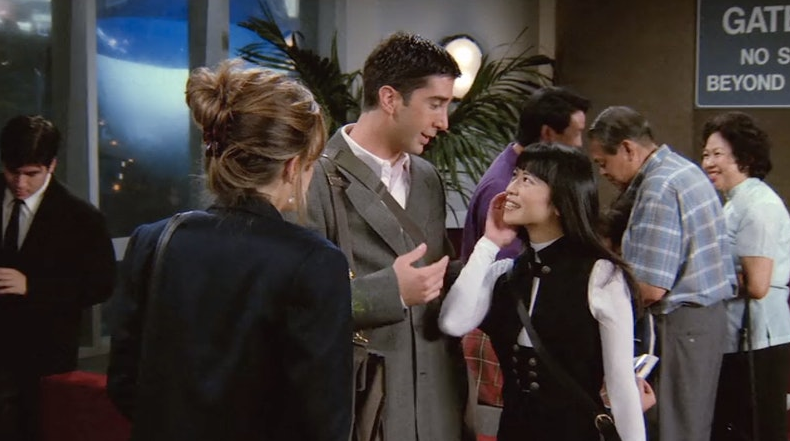
The Airport Love Confession
For years, romantic comedies and TV dramas loved scenes where a character raced through an airport to stop a departing lover. Modern airport security makes these grand gestures far less plausible than they once seemed.
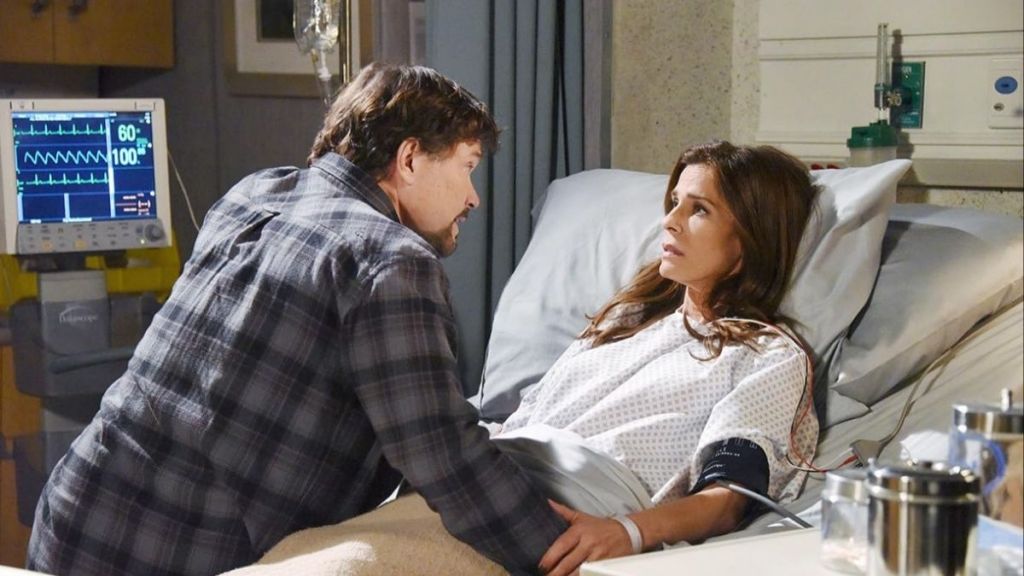
The Magical Amnesia Plot
A simple bump on the head used to trigger instant amnesia in countless television shows. Modern audiences are much more aware of traumatic brain injuries, making these convenient memory-loss storylines feel dated.
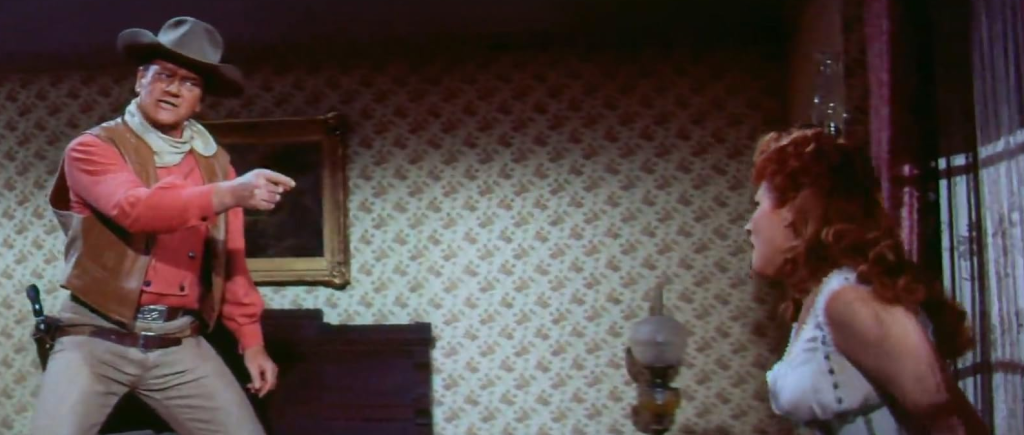
The Panic-Attack Slap
Classic westerns, noir films, and television dramas often portrayed slapping a distressed woman as a legitimate way to calm her down. The trope was common for decades but has largely disappeared from modern storytelling.
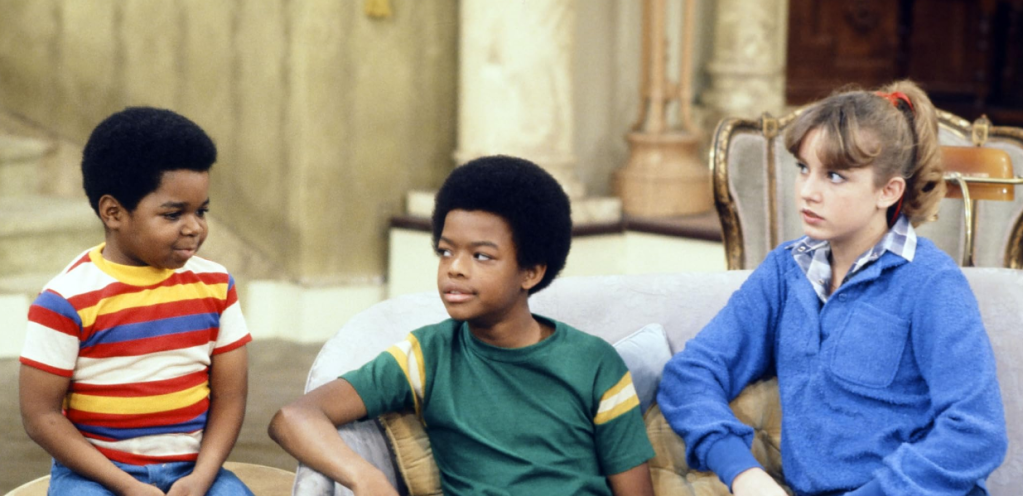
The Very Special Episode
Many sitcoms paused their usual comedy for a “very special episode” about serious topics like drugs, teen pregnancy, or gun violence. By the following week, everything was usually back to normal.
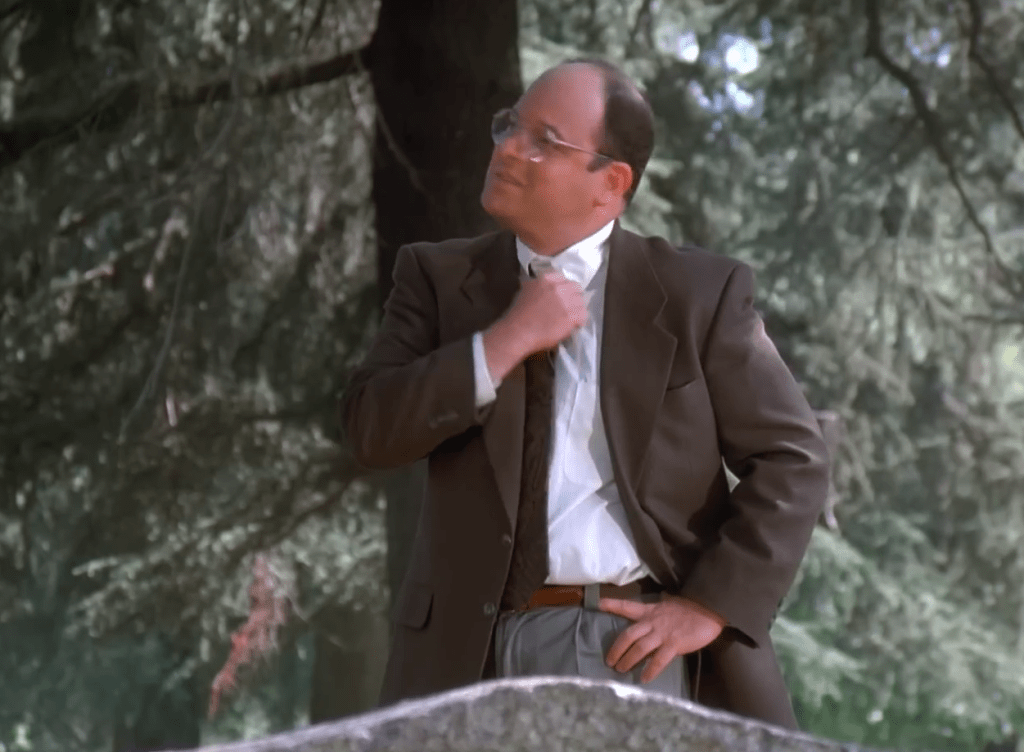
The Clip Show
Clip-show episodes once saved money by reusing footage from earlier seasons. As television shifted toward shorter seasons and serialized storytelling, audiences became far less tolerant of episodes built mostly from old scenes.
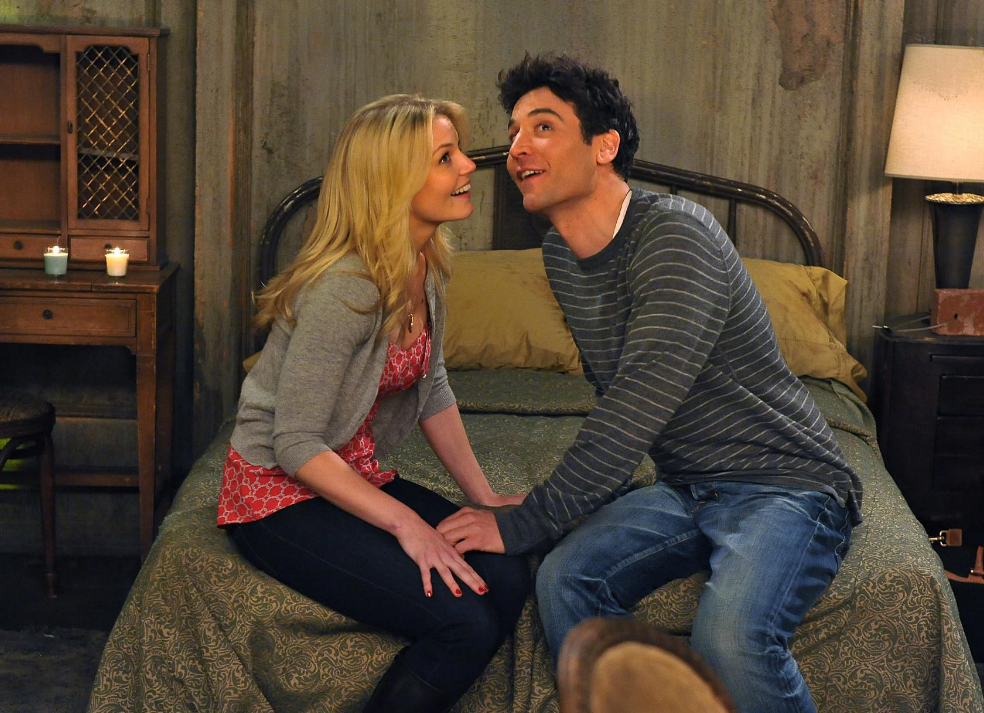
Persistence Equals Romance
Older television frequently suggested that relentless pursuit would eventually win someone’s affection. Characters who ignored rejection and kept showing up were often rewarded, a message that tends to be viewed very differently today.
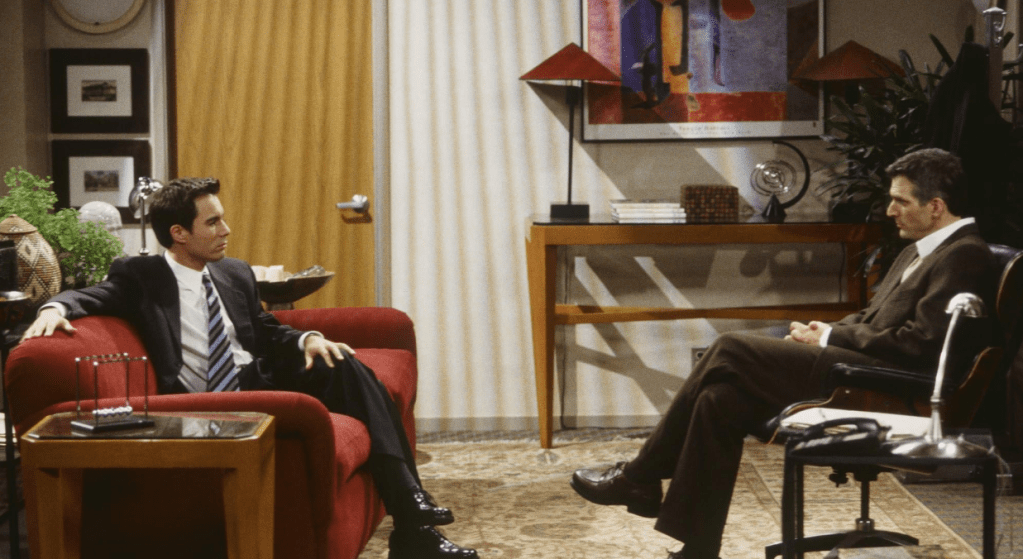
The Gay Panic Joke
Many sitcoms built jokes around male characters being mistaken for gay or appearing too feminine. Shows like Friends used the trope regularly, but changing social attitudes have made it far less common.
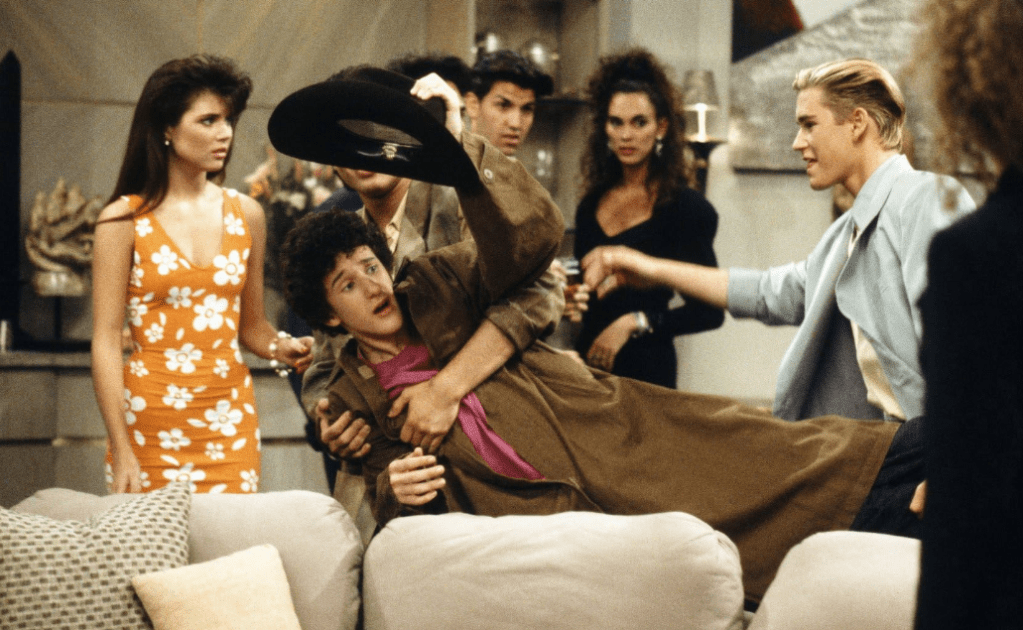
Peeping Tom Shenanigans
Teen characters spying on women changing clothes was often treated as harmless comedy. What was once framed as a rite of passage is now far more likely to be recognized as invasive behavior.
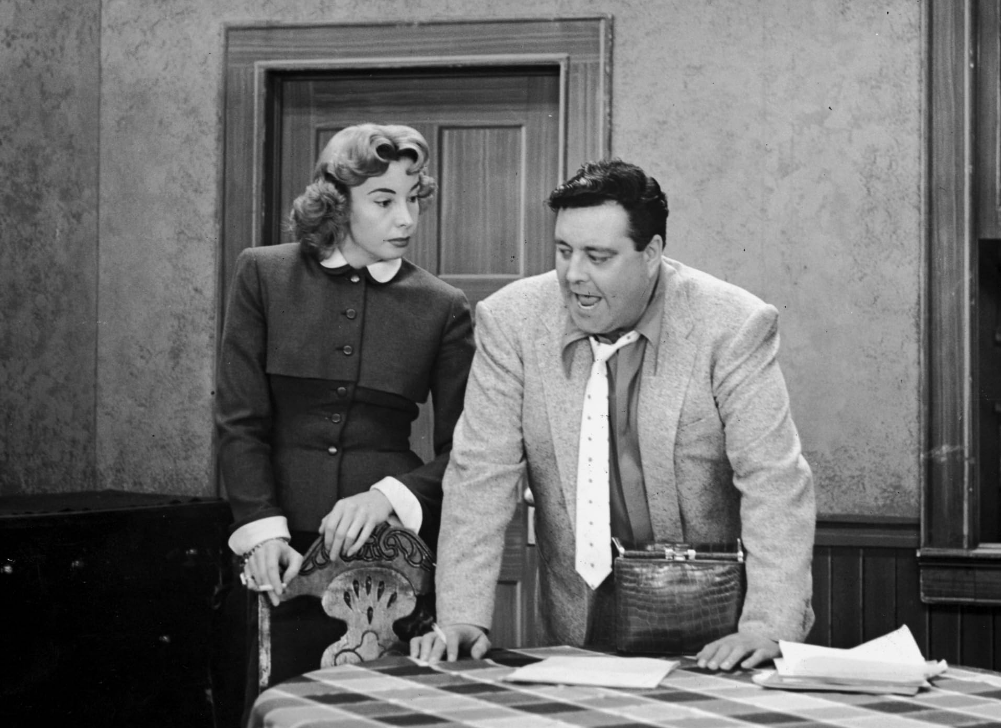
Domestic Violence as a Punchline
Television once featured casual jokes about spouses hitting one another, usually for comedic effect. Modern audiences are generally less accepting of treating domestic abuse as a harmless source of laughs.
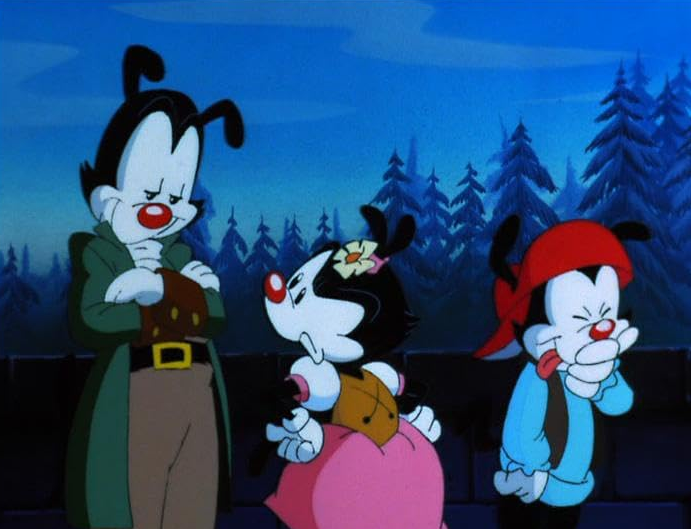
Cartoon Suicide Gags
Older cartoons frequently used exaggerated suicide jokes to show despair. Characters might dramatically threaten themselves after a setback, a style of humor that has largely vanished from contemporary family entertainment.
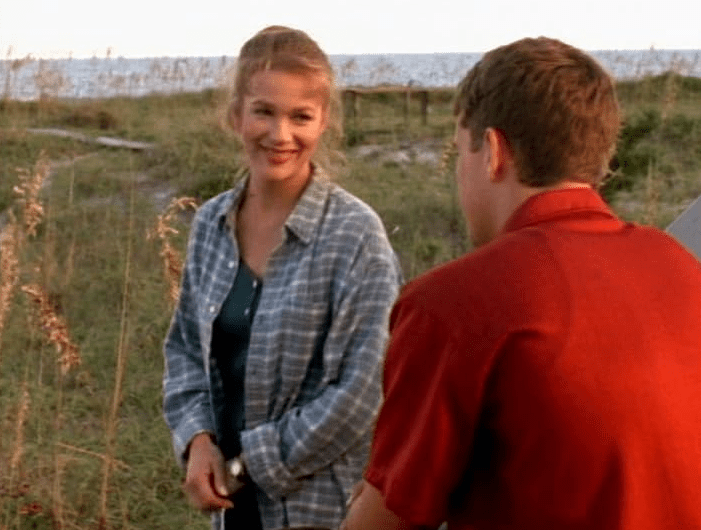
The Teacher-Student Romance
Television once portrayed relationships between teachers and students as forbidden but exciting romances. Today, such storylines are far more likely to emphasize the ethical and legal problems involved.
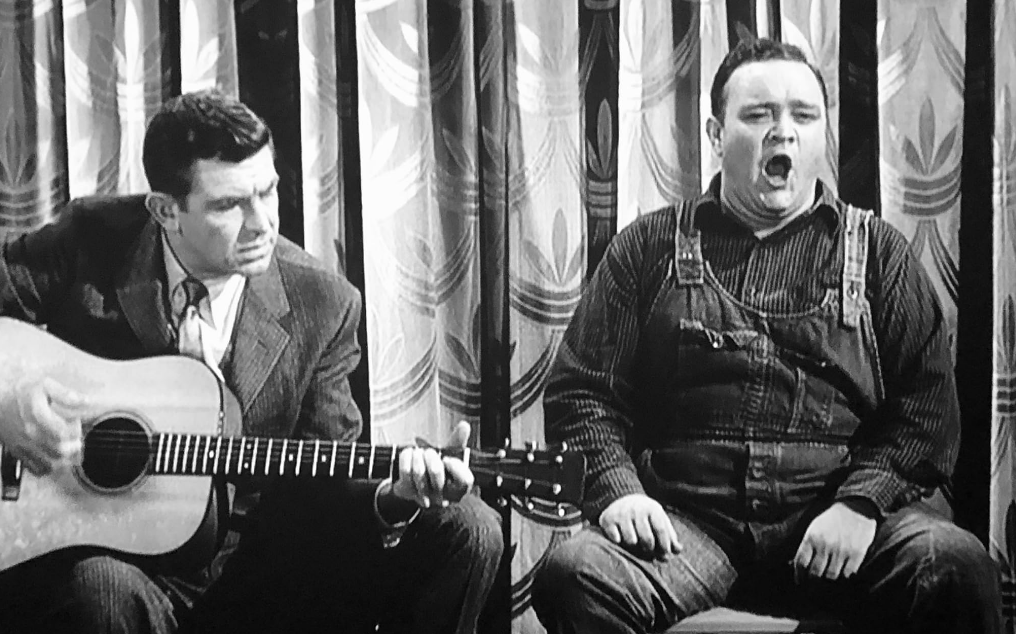
The Lovable Town Drunk
Characters like Otis from The Andy Griffith Show turned public intoxication into a recurring joke. Modern television is generally less likely to treat alcoholism as a charming personality trait.
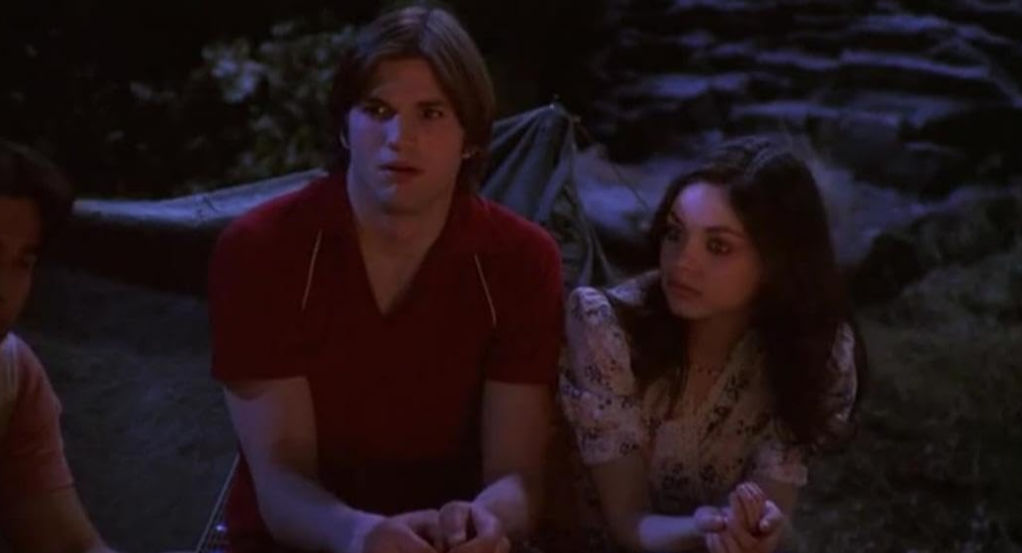
The Sitcom Dating Pest
Many sitcoms featured characters whose entire personality revolved around relentlessly pursuing women. Figures like Fez or early Howard Wolowitz were common archetypes, but audiences have grown less receptive to that behavior.
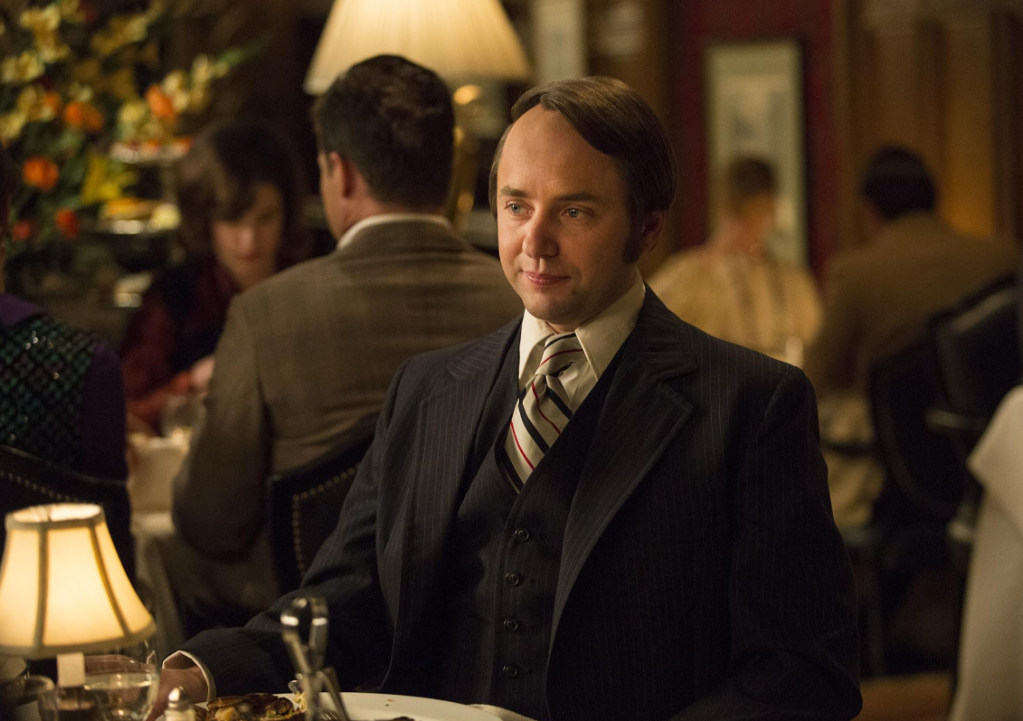
Smoking Everywhere
Characters once smoked almost anywhere without comment, from airplanes to offices and even around children. Modern restrictions and public health awareness have made these scenes feel like relics of another era.
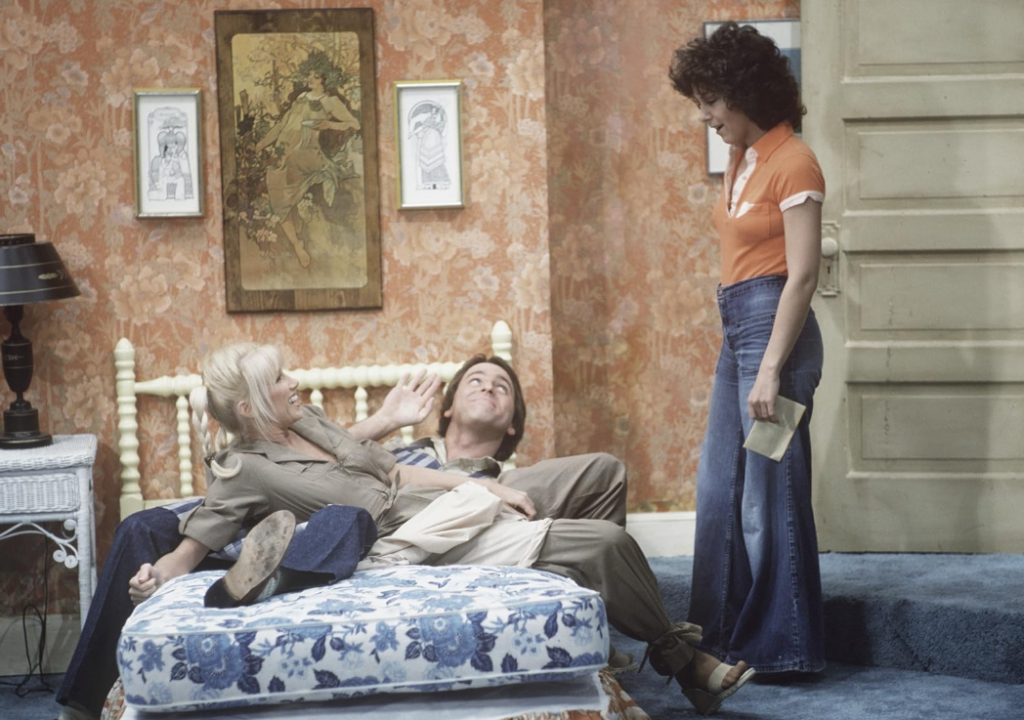
The Permanently Unlocked Door
Television characters in New York or Los Angeles routinely left their front doors unlocked, allowing friends to wander in unannounced. Modern viewers often find the practice far less believable than earlier audiences did.