10 Reasons Why Xbox Lost The Console War


The console war was the constant back and forth of Microsoft, Sony and Nintendo to be the main household name for the video game console. It’s been a long time coming, and it hasn’t always been these three, but they are the main names associated today to this ‘console war,’ but it seems to be finally over.
Nintendo was never seemingly interested in this competition, since they were doing their own thing, and it was enough to be in a ‘second place’ of sorts (except in Japan where it is the undisputed number one). But the Xbox console could never achieve even a fraction of the PlayStation success, and after a few decades, Microsoft and Xbox seem to have thrown the towel. But how did we get here?

The Xbox One Reveal Disaster
Microsoft’s 2013 Xbox One reveal remains one of the biggest public relations missteps in gaming history. Early messaging focused heavily on television features, always-online requirements, and restrictions on used games. Sony’s response was simple, clear, and overwhelmingly popular with consumers.

Sony Dominated the Exclusive Game Conversation
Throughout much of the Xbox One and PlayStation 4 generation, Sony consistently delivered critically acclaimed exclusives. Games like God of War, Spider-Man, and The Last of Us Part II helped define the platform while Xbox struggled to match that level of consistency.

Too Many Promising Studios Were Closed
Over the years, Microsoft acquired and later shut down several talented studios. Closures involving teams behind beloved franchises created the perception that Xbox lacked a long-term strategy for nurturing exclusive game development.
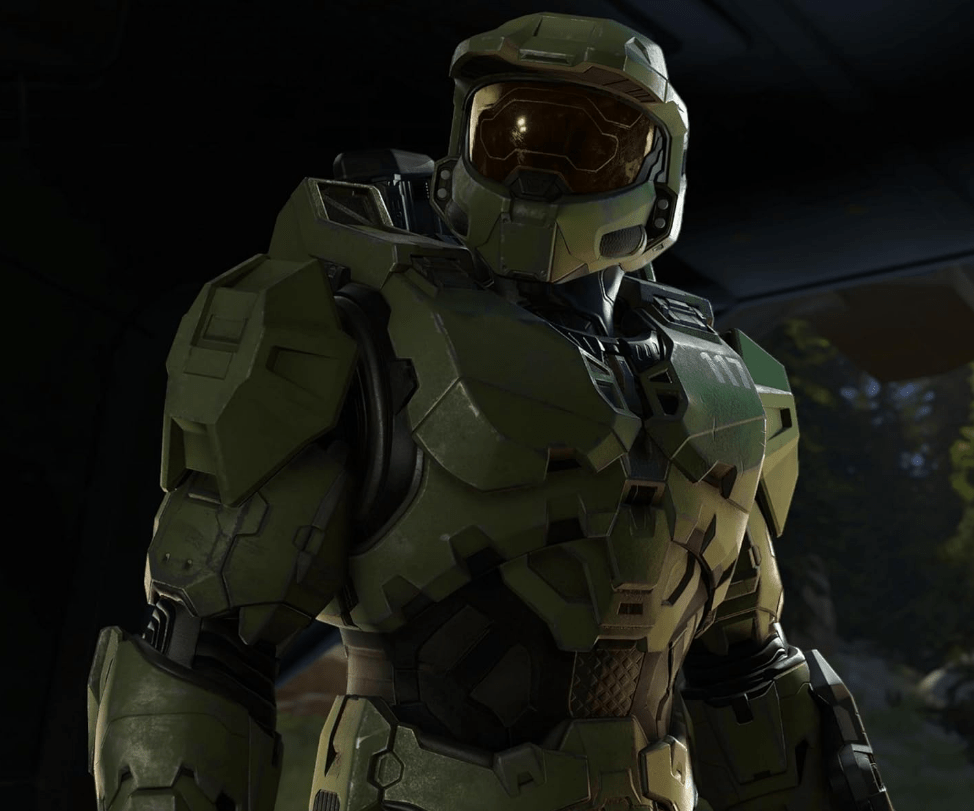
The Halo Decline Hurt the Brand
For years, Halo was Xbox’s defining franchise. While later entries still attracted audiences, many fans felt the series never fully recaptured the cultural dominance it enjoyed during the Xbox and Xbox 360 eras.

The Kinect Gamble Backfired
Microsoft invested heavily in Kinect technology and initially bundled it with the Xbox One. While innovative, the accessory increased the console’s price and failed to become the revolutionary platform feature the company envisioned.
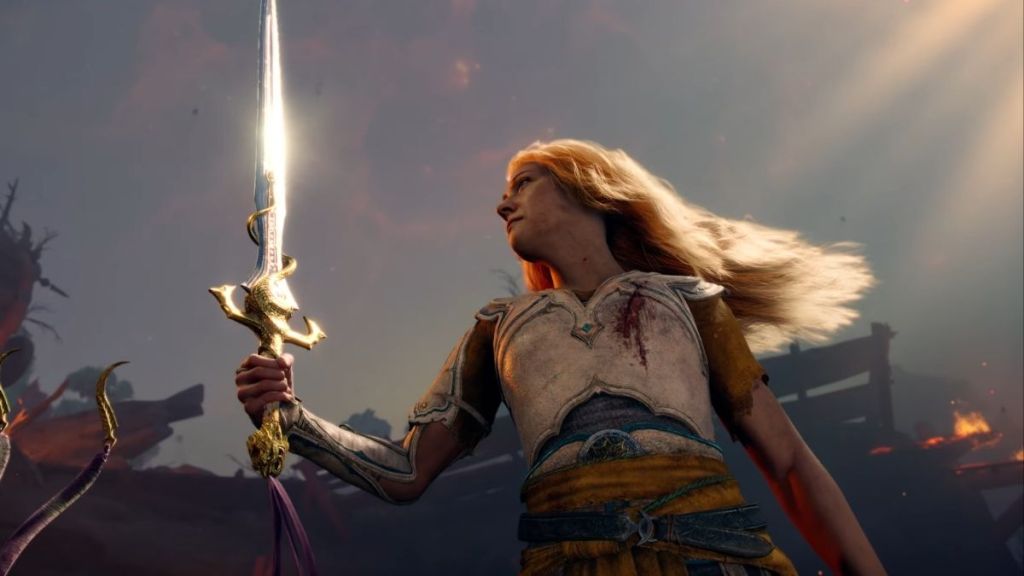
PlayStation Built Stronger Global Momentum
Xbox remained highly competitive in North America, but Sony often performed much better in Europe, Asia, and other international markets. That broader global appeal helped PlayStation build larger audiences and stronger long-term market dominance.

Mixed Messaging Confused Consumers
During several key moments, Microsoft struggled to communicate its strategy clearly. Changes involving digital ownership, exclusives, subscriptions, and platform identity sometimes left players unsure exactly what Xbox wanted to be.
Too Few Must-Have Exclusives
While Xbox offered quality games, many players felt there were fewer console-selling exclusives compared to PlayStation. When consumers can play most major third-party releases elsewhere, exclusive content becomes one of the strongest reasons to choose a platform.

The Brand Shifted Away from Consoles
In recent years, Microsoft has emphasized ecosystems, cloud gaming, PC integration, and Game Pass rather than console sales alone. It reduced the sense that Xbox hardware itself was the company’s primary focus, and damaged the brand so highly the new leadership is now walking those claims back.

Game Pass Changed the Battle, But Not the Winner
Xbox Game Pass is widely regarded as one of gaming’s best subscription services. However, despite its popularity, it arrived after PlayStation had already built a significant lead. The service improved Xbox’s position but did not fully reverse years of lost momentum, and the pricing was not something that would last. With several price hikes, Game Pass no longer is what was promised.