The Future of Horror is Low-Budget, Young, and Very Online
Obsession, Backrooms, and Iron Lung are just a few examples of the horror genre’s new direction.

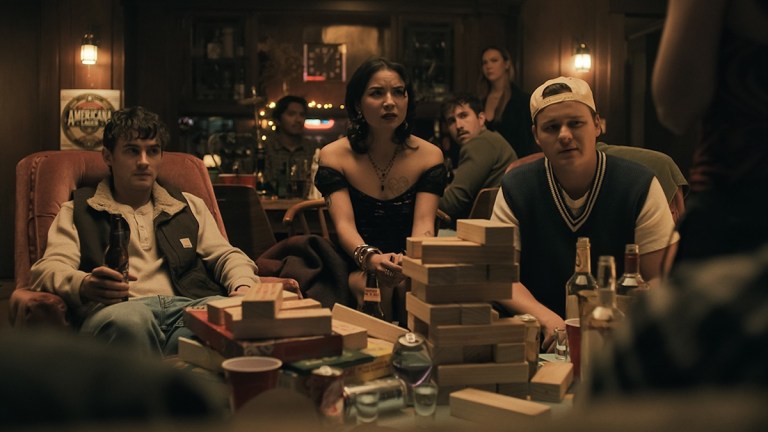
There is no feeling comparable to leaving a theater after a good horror movie. A slight chill hangs in the air while you walk to your car, even in the summer heat. A dreadful thought lingers in the back of your mind that what you watched on screen — no matter how fantastical the scares seem or how stupid the characters’ actions are — could happen to you too. The thrill is terrifying yet intoxicating, beckoning you to the theater every time a new film piques your morbid interest.
In recent years, that feeling of fear has been propped up by a new generation of filmmakers who share a few common denominators on their resumes. These storytellers are young, have backgrounds in online content creation, and are all working on relatively shoestring budgets. So far, that combination of youth, new media experience, and thriftiness has been exactly what horror needs to reclaim its status as cinema’s most consistent genre.
YouTube sketch comedy short extraordinaire Curry Barker directed the terrifying Obsession, which hit theaters on May 15 and immediately made an impact with audiences, projecting to make over $100 million on just a $750,000 budget. Mark Fischbach, a.k.a. the extremely popular video game YouTuber Markiplier wrote, directed, and starred in the winter box office’s surprise smash hit Iron Lung on a budget of around $4 million. The incoming A24 Backrooms film, directed by YouTuber Kane Pixels (real name Kane Parsons), will invite theater-goers to traverse stark yellow hallways with just a $10 million budget and is already tracking to triple that at the box office on its opening weekend.
Each of these filmmakers have sizable followings online in their respective circles, but they are also all relatively green. Fischbach is the oldest at 36 years old, while Parsons is only 20. Despite their nontraditional backgrounds in filmmaking and media production, what they’re doing is working. Obsession has earned rave reviews alongside high-demand in theaters, and Iron Lung exceeded both commercial and critical expectations. Backrooms’ official trailer reached nearly 30 million views in under a month.
The YouTube-to-horror-director pipeline is not confined to the back half of the 2020s either. Earlier this decade, YouTube comedy duo RackaRacka (Danny and Michael Philippou) directed Talk to Me, summer 2023’s high-octane supernatural thriller. The duo’s directorial followup in 2025, Bring Her Back, upped the disturbing factor without losing the incredible narrative talents developed in their first film. The Phillipous paved the way for the sudden surge in online creators becoming booked-and-busy horror directors, giving viewers a wave of recent horror gems.
Additionally, these films’ modest budgets have demonstrated a more affordable and repeatable model than other recent horror projects including Lee Cronin’s The Mummy ($22 million budget) and The Exorcist: Believer ($30 million budget). Although Cronin’s take on the Mummy concept made back its budget, its reviews were mixed. The Exorcist: Believer similarly turned a profit, but was even more critically derided. Obsession and other small-budget, highly-praised recent productions, such as the Aleshea Harris-directed Southern gothic thriller Is God Is, provide a strong filmmaking formula for the horror genre — trust young creatives to execute their horrifying visions on screen… all on the cheap.
Instead of expensive nostalgia-oriented reinterpretations of the same stories horror filmmakers have been telling for decades, filmmakers like Barker and Fischbach are bringing new films with authentic perspectives to marquee signs across the world. Many of the pioneers of our current macabre renaissance in horror creativity cut their teeth on the internet, not on a Hollywood set. It’s similar to how the previous generation of ascendant auteurs emerged from the comedy scene like Zach Cregger and Jordan Peele. Indeed, many millennial horror filmmakers have now graduated onto bigger budget horror fare (Cregger’s Weapons, Peele’s Nope, Ryan Coogler’s Sinners) after proving their mettle in the low-budget space (Barbarian, Get Out, Fruitvale Station).
In an industry like Hollywood, where insider connections matter and “making it” is about as hard as climbing Mount Everest, there’s something to be said for inviting people who just want to create in any way possible into the filmmaking sphere. Barker, Parsons, and many more have been uploading videos for years; they’ve found their voices and established themselves as storytellers who can meet audiences where they’re at.
Being in tune with viewers is something the movie industry desperately needs. Studios are increasingly cutting both production volume and jobs while major film figures are turning to generative AI as a crutch, despite ongoing environmental and creative copyright concerns. Fresh voices who, for better or worse, can make profitable movies with less money without sacrificing production value or narrative quality are a potent cure for medium’s greatest contemporary ailments.
There are a number of future projects led by YouTubers and content creators for people to look forward to. Parson’s Backrooms releases Friday, and by the looks of it, will deliver the liminal terror Parson has been making on his YouTube channel for years now. Dylan Clark, the filmmaker behind a number of popular horror shorts uploaded to YouTube including Portrait of God is set to bring a new take on the cult classic The Blair Witch Project. Barker, similarly, is planning an original ghost story and a Texas Chainsaw Massacre remake. Fischbach also plans on making more films in the coming years, which are certain to draw both his fans and horror fans to the theater.
With the demographics making horror films and the demographics watching them now lined up, the future of horror is now in good hands, even if those hands are more used to grasping a video game controller than a camera.