TV Shows That Felt Like Homework by Season 3


Season three is where shows either demonstrate their staying power, or start falling through the wayside. What began as fun weekly entertainment can slowly turn into a commitment filled with tangled lore, repeated plot cycles, exhausting emotional arcs, and storylines that demand full concentration just to keep up.
That does not always mean these shows became bad. In many cases, they stayed popular, critically praised, or deeply ambitious. But somewhere around season three, watching them could feel less like relaxing on the couch and more like finishing an assignment. These are TV shows that started to feel like homework.

The Walking Dead
By season three, the prison arc was still strong, but the show had already settled into a rhythm of long speeches, endless survival debates, and repeated “find shelter, lose shelter” storytelling that started feeling emotionally taxing.
Lost
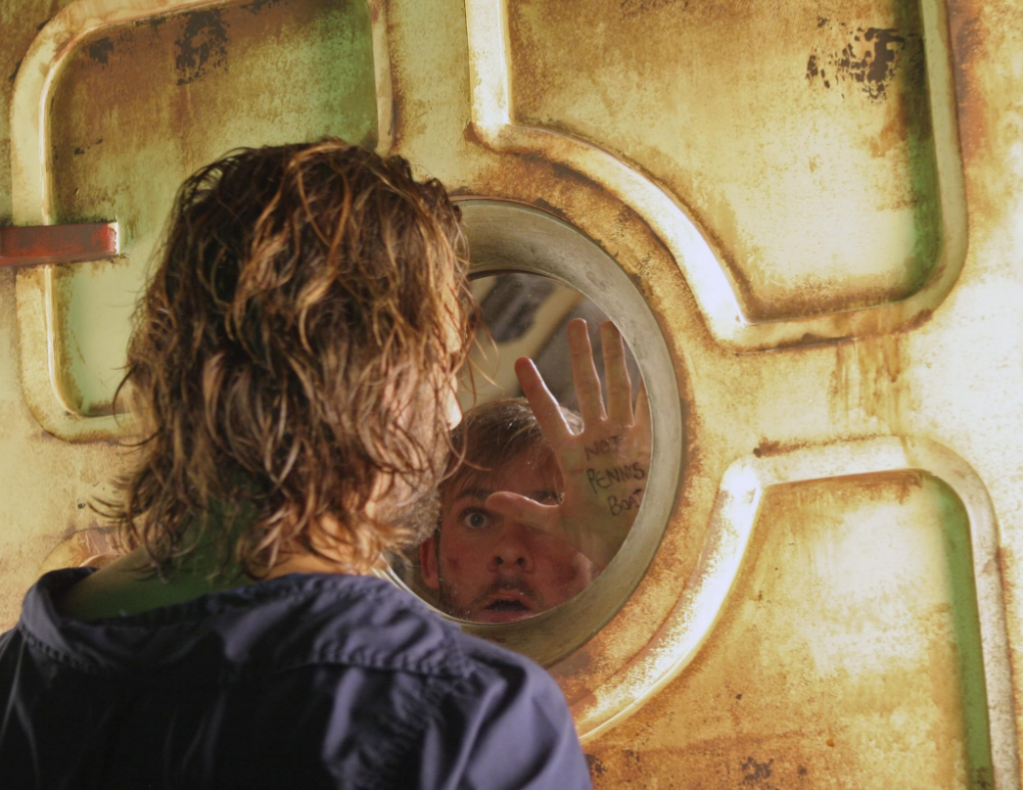
Season three is where many viewers felt Lost began demanding too much patience. More mysteries piled up, side characters like Nikki and Paulo drew backlash, and the show increasingly asked fans to track lore like a chore.

Westworld
Even fans who admired its ambition often felt Westworld became mentally exhausting by its third season. Complex timelines gave way to dense philosophy, layered tech jargon, and plotting some critics called increasingly hard to follow.
Prison Break
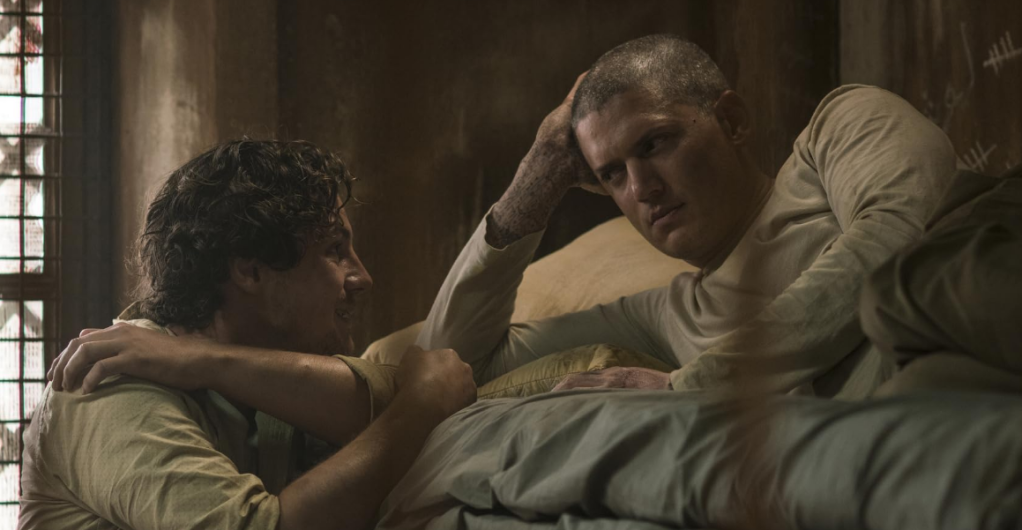
By season three, escaping prison again felt like the show testing how much suspense it could recycle. The Sona setting kept tension high, but repeating the core premise made it feel more like work than thrilling escalation.
Once Upon a Time
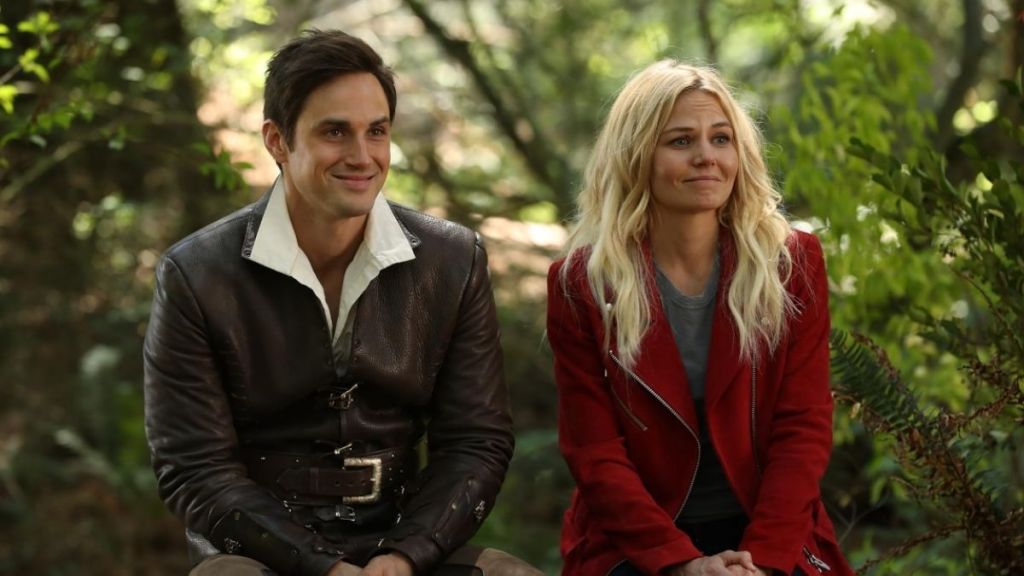
Fairy-tale mashups had become increasingly tangled during the third season. Multiple realms, memory wipes, curses, and rotating villains made following the mythology feel less whimsical and more like crossover fan fiction.
Vikings
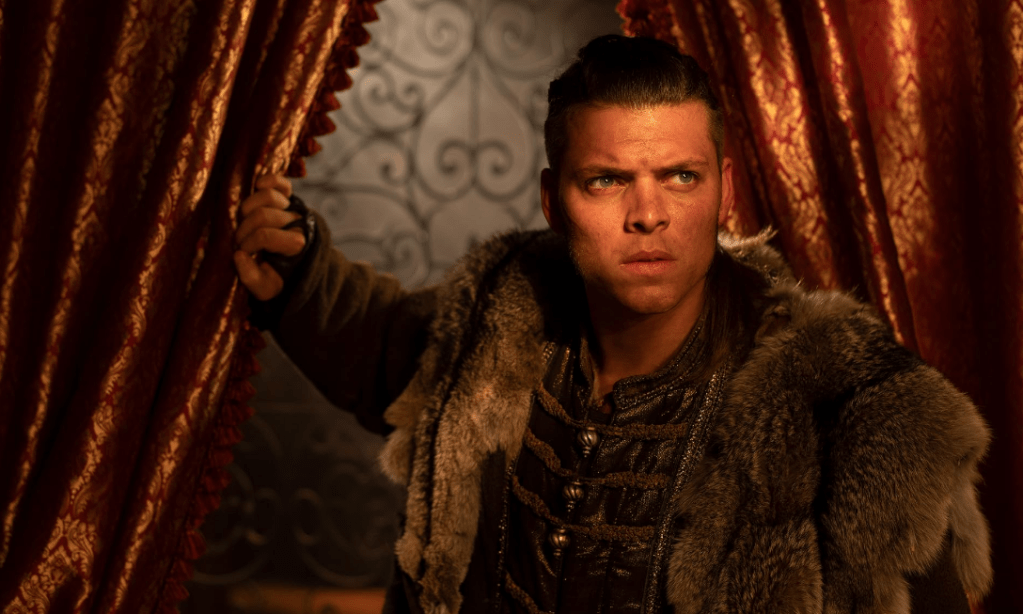
As the series widened beyond Ragnar’s rise, shifting loyalties, invasions, and political maneuvering made the show more demanding. By season three, it rewarded attention, but it definitely asked for it.

Empire
Its family power battles were juicy early on, but by later seasons, betrayals, boardroom wars, and repeated internal takeovers made the drama feel increasingly circular and exhausting.
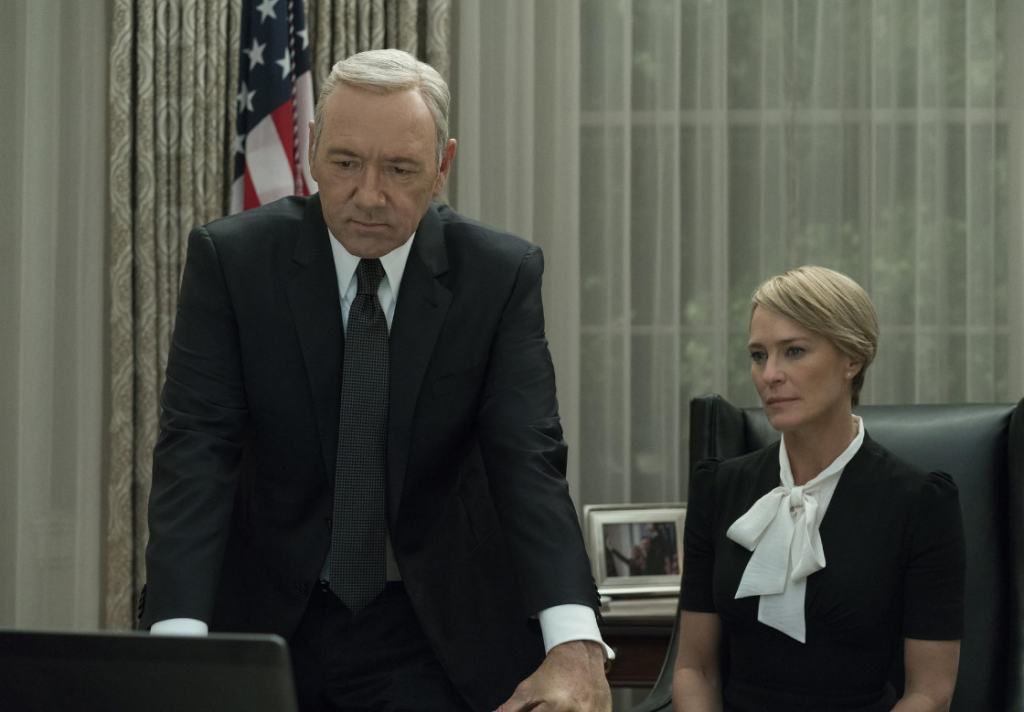
House of Cards
Season three slowed the political rise and leaned harder into procedural power struggles. For some viewers, Frank Underwood’s manipulation became less sharp thrill and more repetitive strategy lecture.
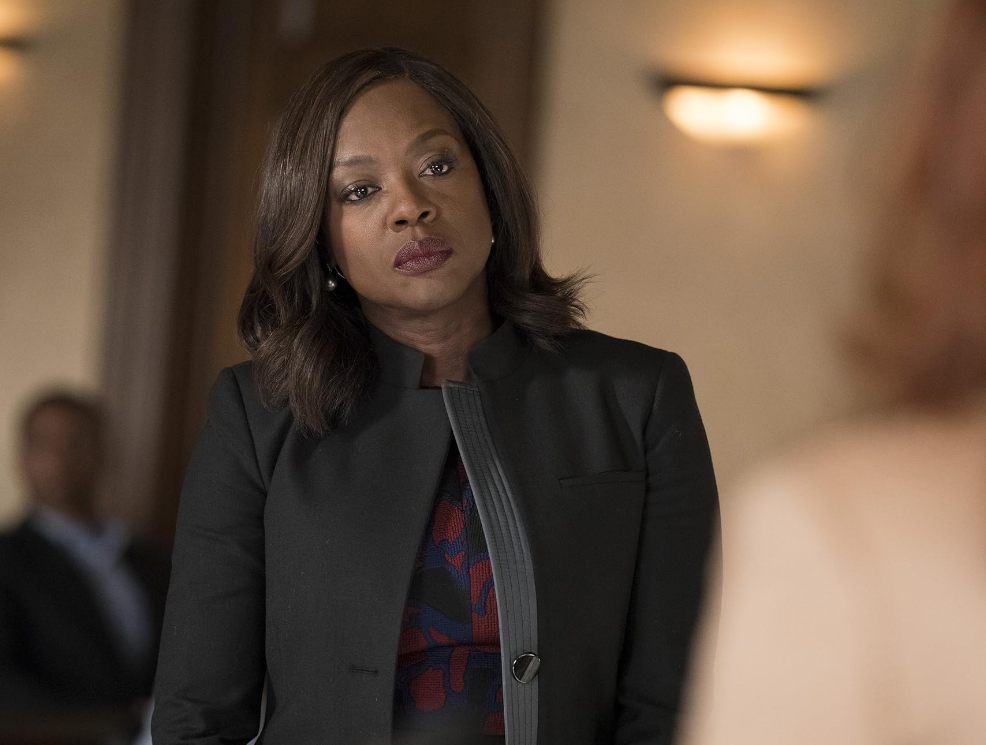
How to Get Away with Murder
Flash-forwards, legal twists, and murder cover-ups were the appeal, but deeper into the show, unraveling timelines and hidden motives often felt like the viewers themselves needed case files.

Billions
Sharp dialogue remained a draw, but the constant financial warfare, legal maneuvering, and strategic revenge plots could feel taxing for anyone not fully invested in power games.
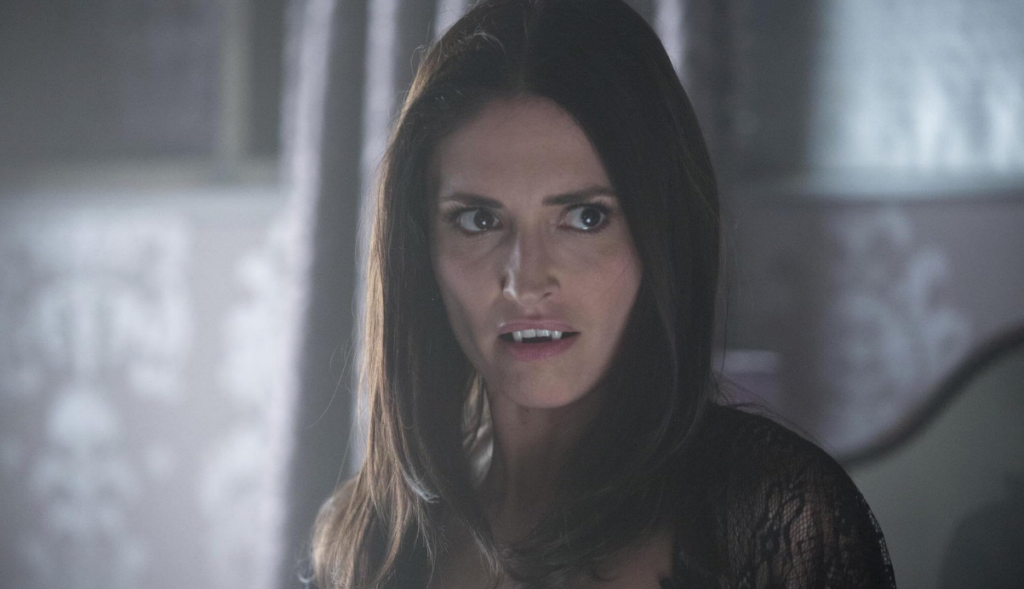
True Blood
Season three pushed deeper into supernatural politics, vampire hierarchies, and expanding mythology. What started as pulpy fun began asking viewers to juggle more lore than some wanted from campy horror drama.
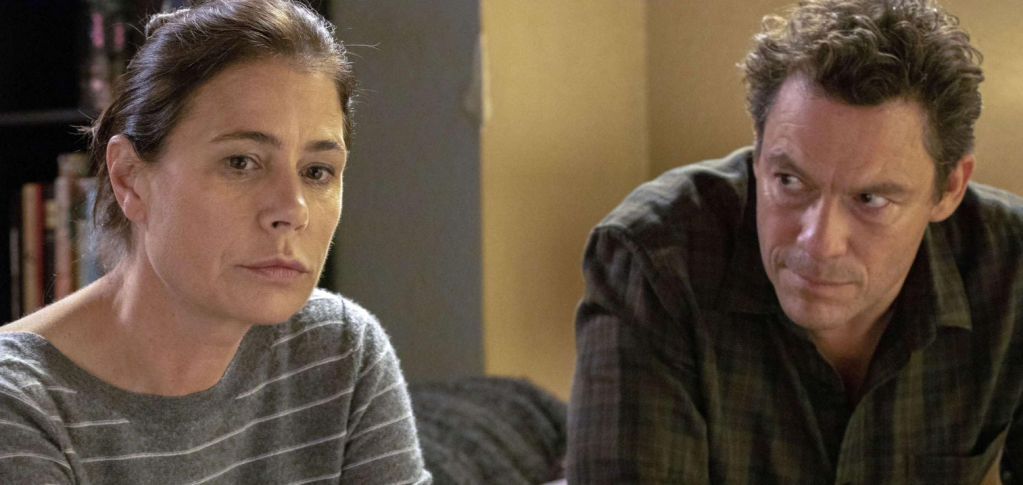
The Affair
The sharp relationship drama grew heavier by season three. Multiple timelines, unreliable perspectives, and emotional fallout made following each version of events feel more like grueling analysis than casual viewing.

The 100
As the world expanded, so did alliances, betrayals, and moral calculations. Its dense faction politics and constant ethical resets could feel like keeping up with battlefield homework.

The Man in the High Castle
Its alternate-history premise stayed compelling, but once the show kept going through its seasons, political factions, resistance movements, and layered world-building made the show feel increasingly dense and demanding.
Bates Motel
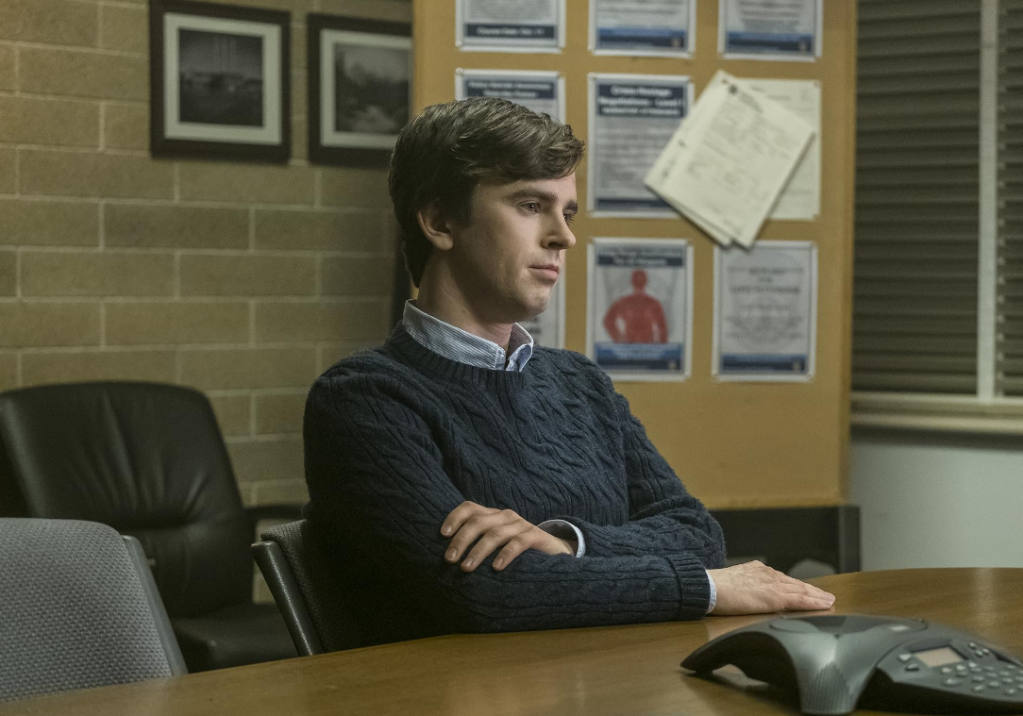
The psychological tension stayed strong, yet by season three, Norman’s unraveling and increasingly dark family drama turned the series into emotionally heavy viewing rather than easy binge material.