15 Big Details Movies Got Hilariously Wrong

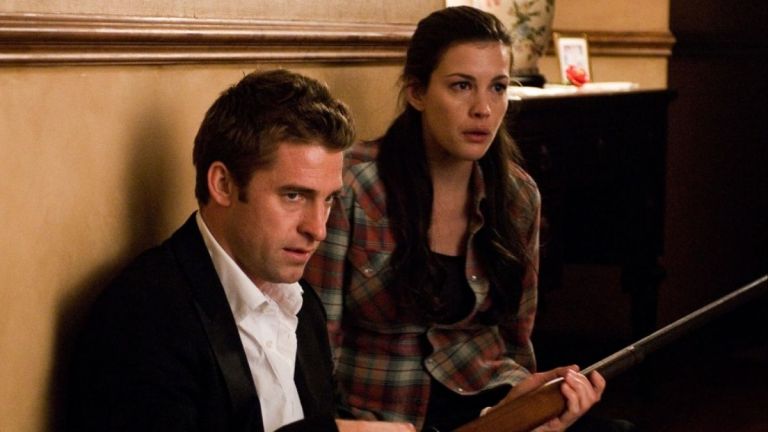
We don’t expect movies to be perfect, but when crafting films with millions of dollars, you’d expect some fact checking to be happening. Alas, in the name of the narrative, these few factoids got lost in the sea. You might’ve not noticed them on your first watch, but once you know, you know.
Granted, if you’re not tech-savvy or aware of the inner workings of these facts, you might think to excuse the filmmakers. However, with the amount of money, people and influence these movies have, you’d think fact checking their scenes wouldn’t be an issue. But seemingly, it was.
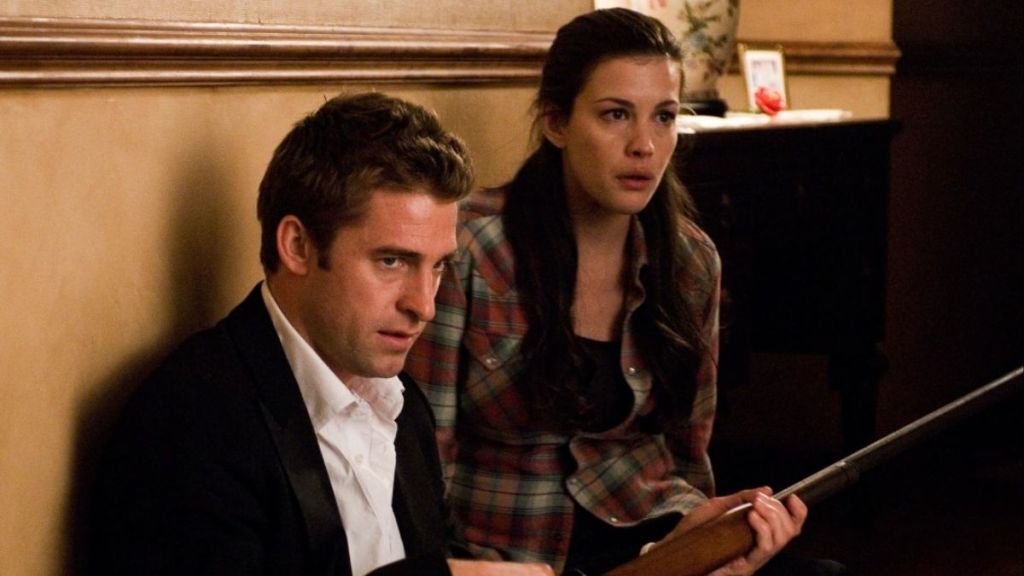
The Strangers
A widely mocked logic gap involves characters acting as if a nearly dead phone is unusable while charging. Even in 2008, corded phone use was common enough that the tension can feel artificially prolonged.
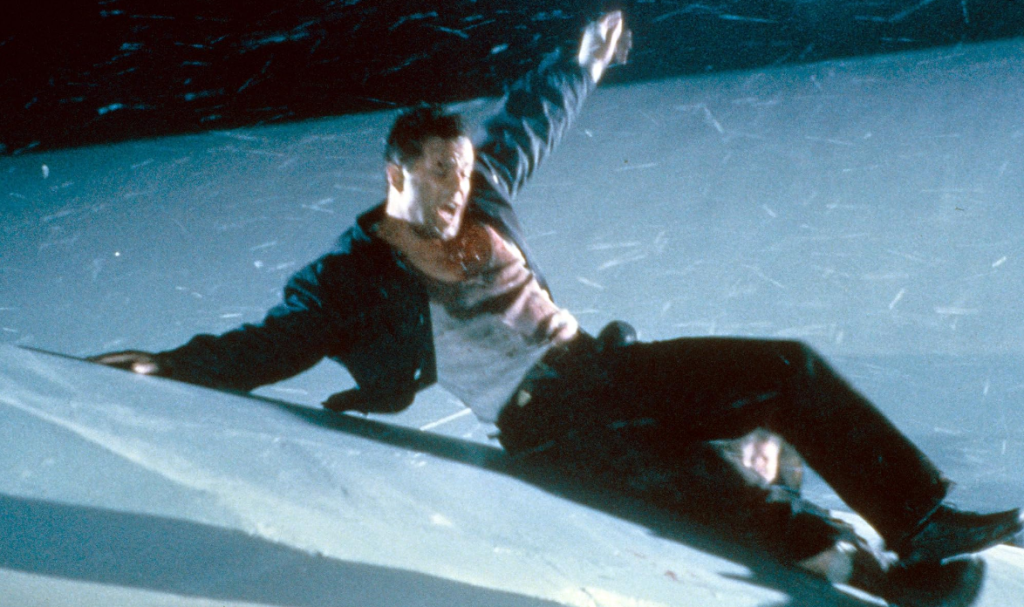
Die Hard 2
The movie centers on planes circling Dulles under terrorist control, but aviation fans often point out nearby major airports existed. The film prioritizes suspense over realistic rerouting options during a major emergency.

Ready Player One
The first challenge supposedly stumps millions for years until someone drives backward. Critics often argued a massive player base would realistically test glitches, reverse routes, or chaotic off-road strategies far earlier.
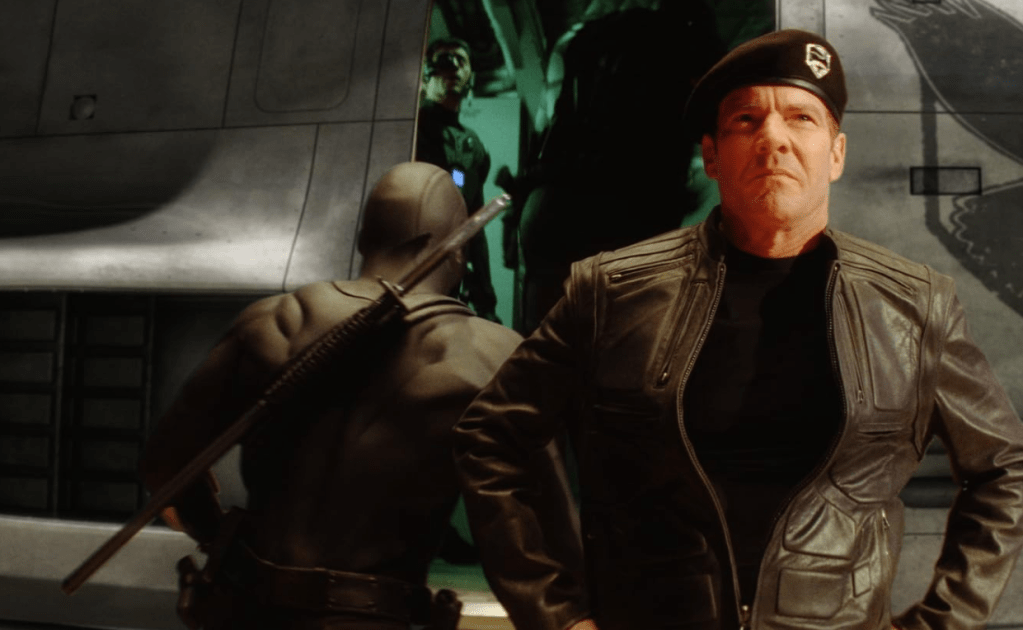
G.I. Joe: The Rise of Cobra
Its Arctic climax drew ridicule for depicting huge ice masses sinking dramatically underwater. Since ice is less dense than liquid water, the visual looked spectacular but scientifically backwards.

The Sound of Music
The Von Trapps flee across mountains toward supposed freedom, but geographically, Salzburg’s nearby alpine route would not lead them into Switzerland, but rather to Hitler’s summer home. The dramatic ending favors symbolism over actual escape logistics.
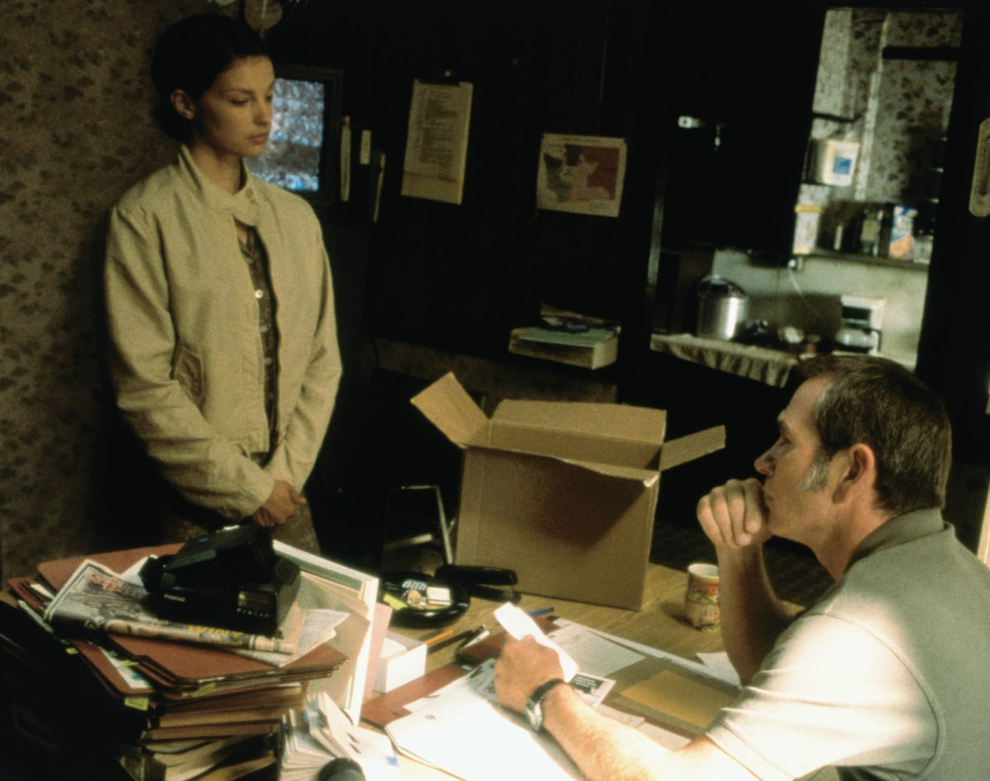
Double Jeopardy
The thriller hinges on the false legal idea that someone can kill the same victim after already being convicted of their murder. Real double jeopardy protections do not work that way.
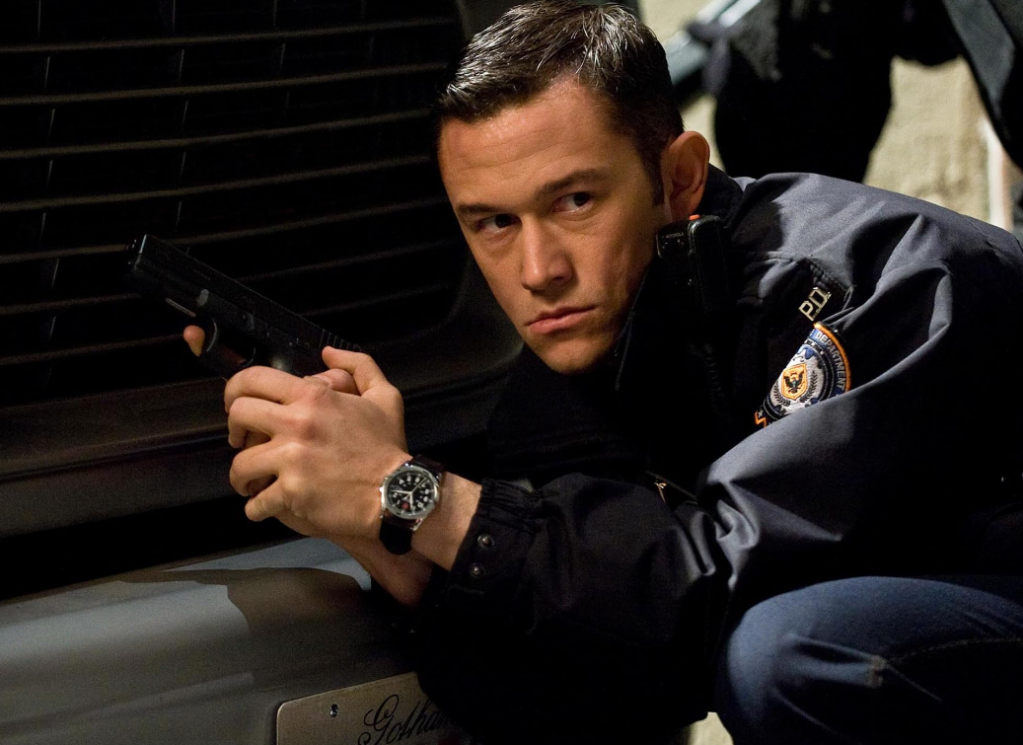
The Dark Knight Rises
Viewers often joked about Gotham police surviving months trapped underground, then emerging for battle looking organized, healthy, and suspiciously clean-shaven. The visual undercut the realism Nolan’s trilogy usually tried to maintain.

I Still Know What You Did Last Summer
The title implies immediate continuity, but the sequel takes place roughly a year after the original events, making the timeline joke a long-running fan nitpick. After all, what the killer knows is what they did two summers ago, not last summer.
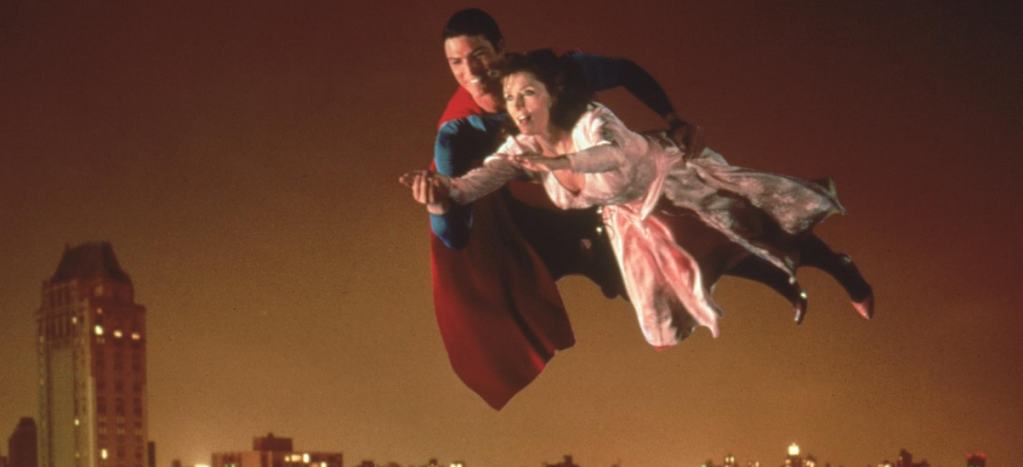
Superman IV: The Quest for Peace
Sharp-eyed viewers noticed the United Nations scene labels a delegate as representing “England,” even though the correct sovereign state seat would be the United Kingdom.
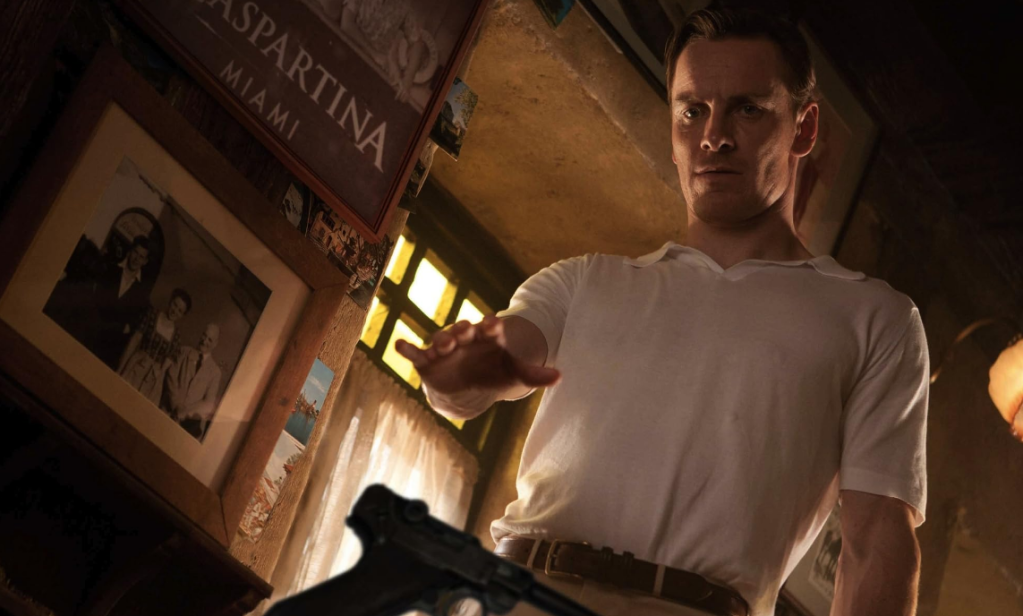
X-Men: First Class
When Magneto visits Villa Gesell, Argentina, the background geography appears mountainous. Since Villa Gesell is a flat coastal city in Buenos Aires Province, locals quickly spotted the mismatch.

The DUFF
The movie expects viewers to accept a star high school quarterback being treated like an ordinary struggling student. Critics saw the setup as exaggerated teen-movie logic rather than believable school athletics culture.
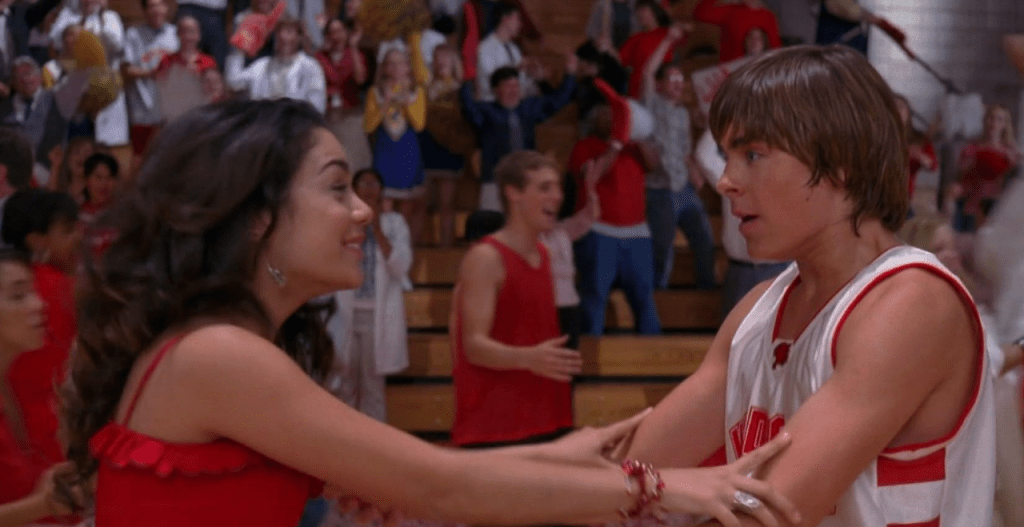
High School Musical
Troy Bolton is framed as an elite basketball prospect, which led fans to joke about how his listed height and overall framing felt less like top-tier college recruiting reality.
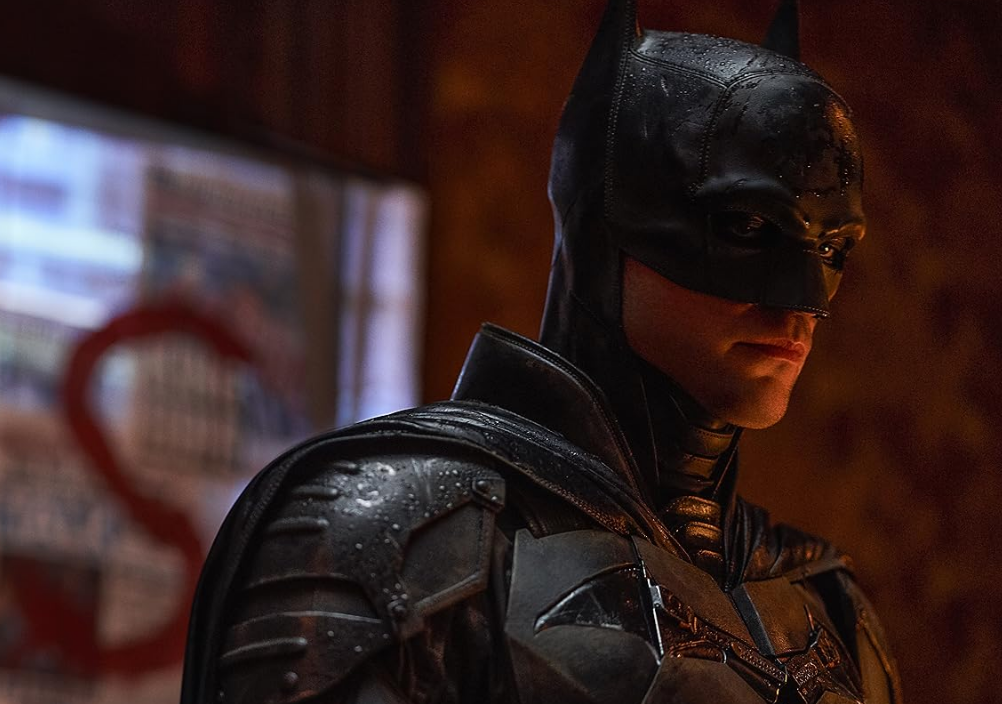
The Batman
Batman’s no-kill ethic often clashes with heavily armed vehicles across multiple films. Fans regularly debate how “non-lethal” philosophy gets murkier once machine guns and destructive pursuit vehicles enter the picture.

Bridesmaids
Like many films and shows, it echoes the myth that missing-person reports require waiting periods. In reality, police can take immediate reports, especially when vulnerability or danger is involved.

The Woman King
The film sparked debate for simplifying the Dahomey Kingdom’s historical relationship with the Atlantic slave trade. Critics argued its dramatic framing softened a more morally complex and documented history.