15 Times a Movie Treated Stalking Like Romance

Following someone without their knowledge, either in real life or online, is stalking. You can be curious about someone’s life, sure, but taken to the next level, it becomes dangerous toxic behavior that needs to be analyzed, not rewarded. Sadly, movies have taught us the exact opposite.
In part, it makes sense; movie characters aren’t meant to do realistic things, and without their strange ways of thinking, plots wouldn’t happen. The problem is when the resolution is that warped way of thinking, leaving us with the message that stalking (and other problematic behaviour) is more than ok.
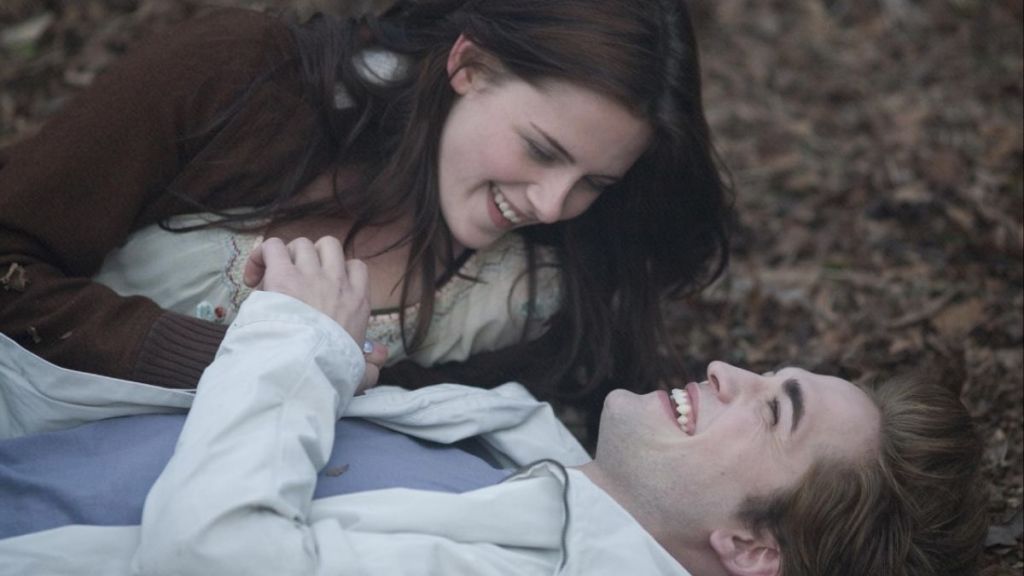
Twilight
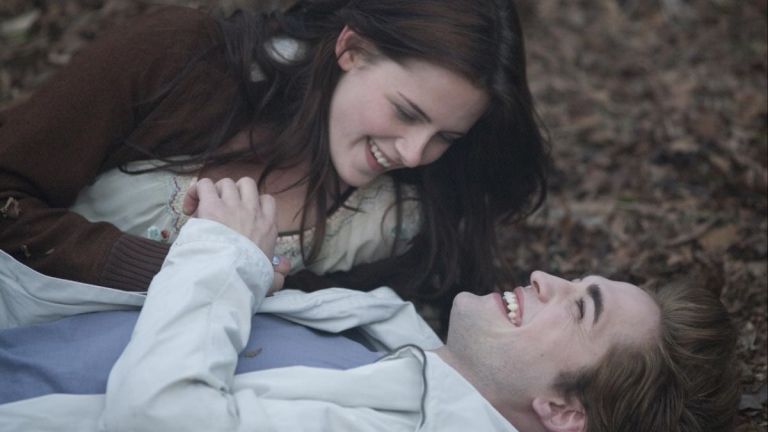
Edward secretly watching Bella sleep became one of the franchise’s most infamous moments, yet the movie presents the behavior as protective and deeply romantic rather than genuinely alarming.
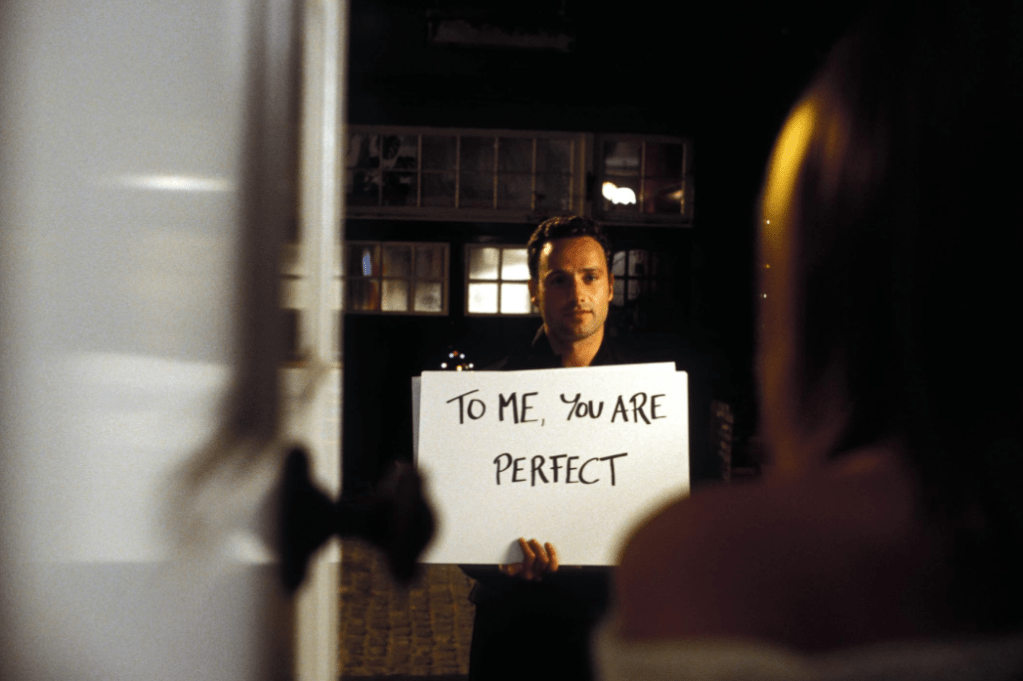
Love Actually
Mark silently showing romantic cue cards to his best friend’s wife is framed as heartfelt vulnerability, despite many viewers finding the entire situation deeply uncomfortable instead.
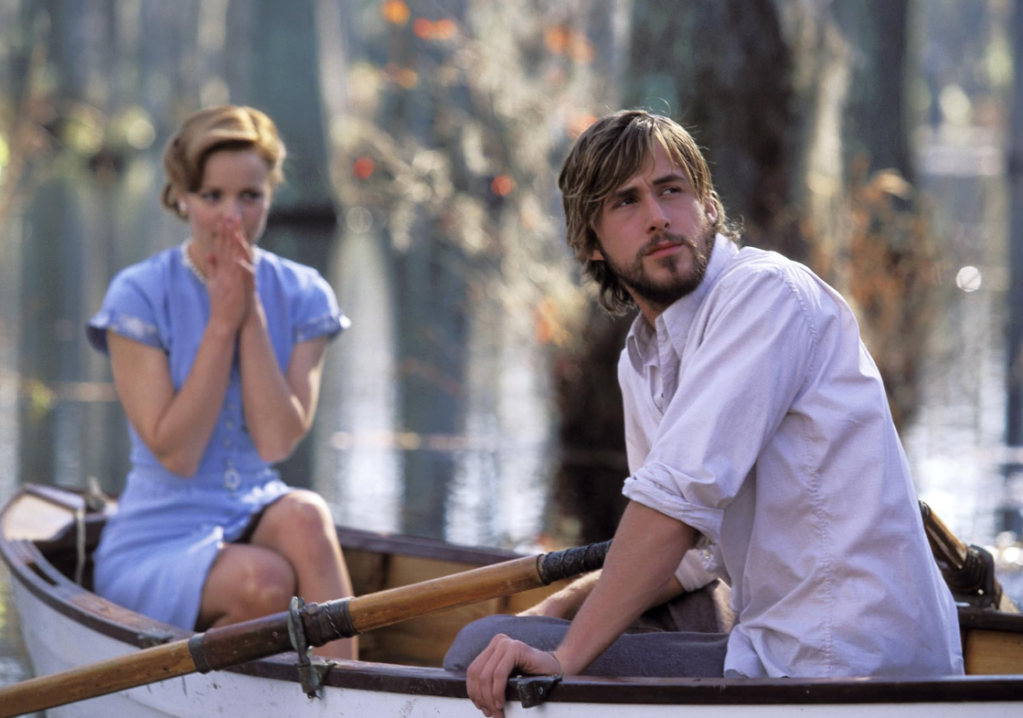
The Notebook
Noah hanging from a Ferris wheel and pressuring Allie into a date is presented as charming persistence, though modern audiences often interpret the scene very differently.
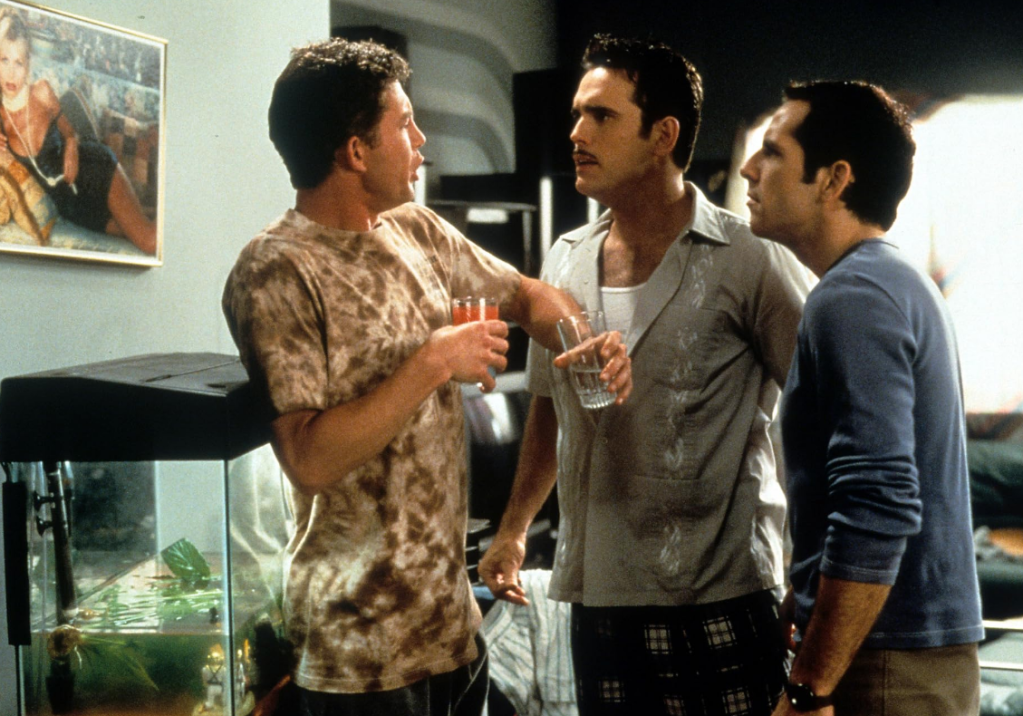
There’s Something About Mary
Multiple men hiring investigators, spying on Mary, and obsessively tracking her whereabouts somehow becomes the foundation for the film’s romantic comedy setup.
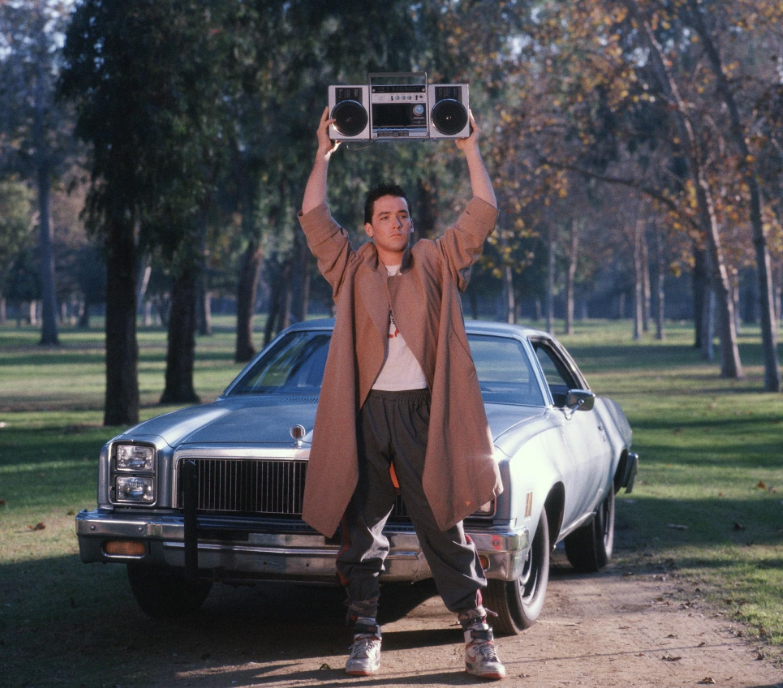
Say Anything
Lloyd Dobler standing outside Diane’s home blasting music from a boombox became an iconic romantic gesture despite essentially ignoring her request for space.
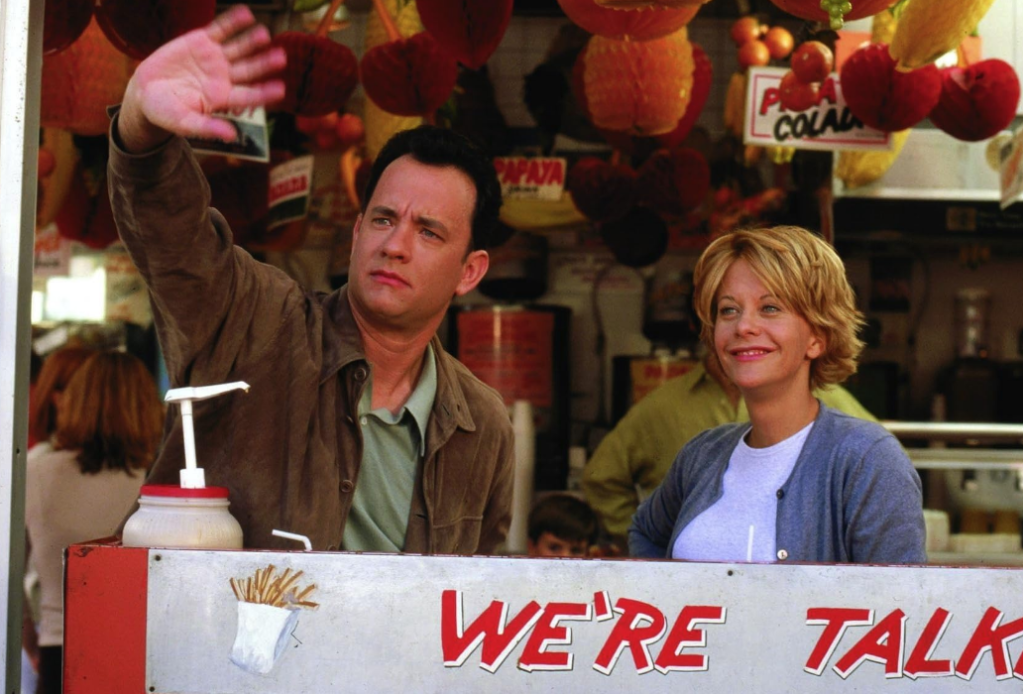
You’ve Got Mail
Joe knowingly manipulates Kathleen both online and in real life while hiding his identity, creating a romance built largely around emotional deception and calculated observation.
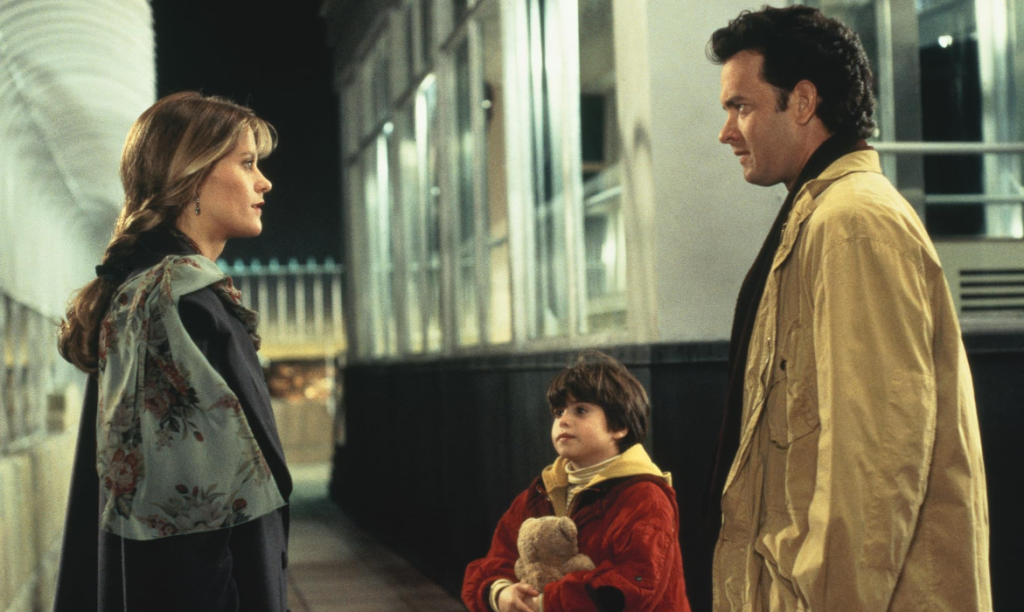
Sleepless in Seattle
Annie tracks Sam across the country, researches his life, and watches him from a distance before even properly meeting him, yet the movie treats it as destiny.
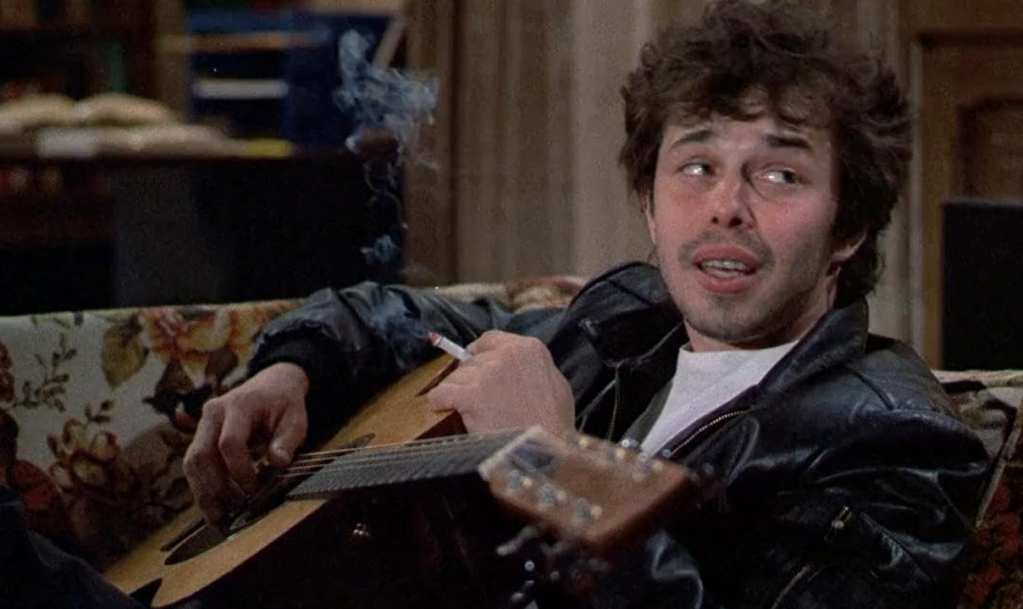
Revenge of the Nerds
The film notoriously presents deception and impersonation during a sexual encounter as triumphant comedy, a scene modern audiences widely view as deeply disturbing instead.
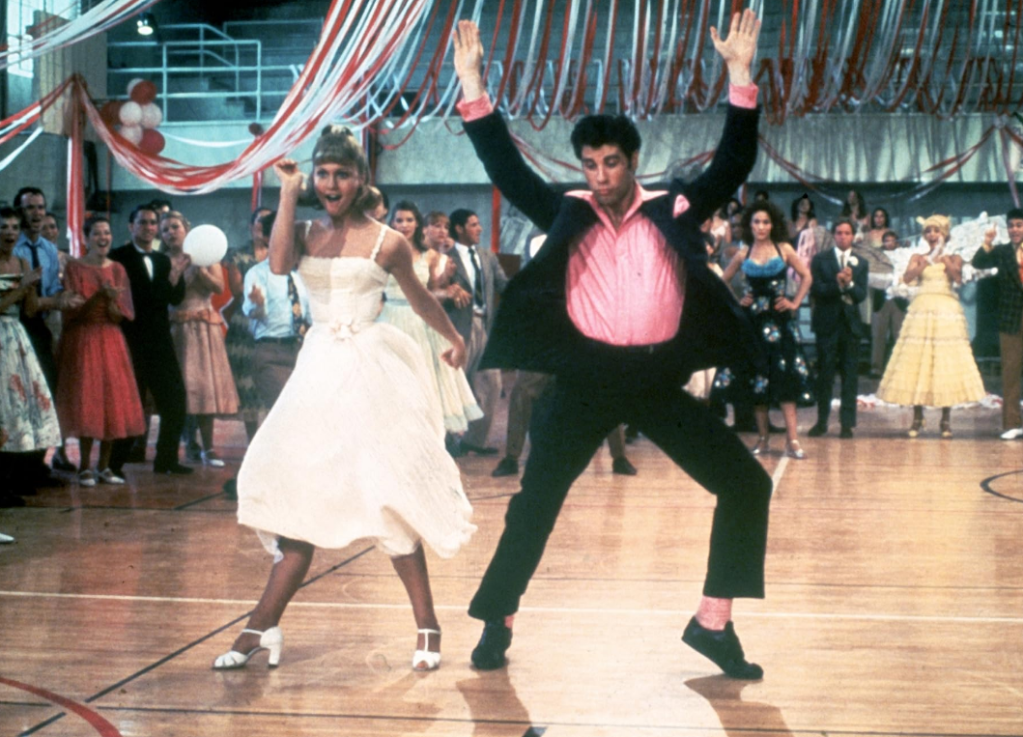
Grease
Danny repeatedly changes his personality and inserts himself into Sandy’s activities to win her back, while the movie frames the relentless pursuit as classic teen romance.
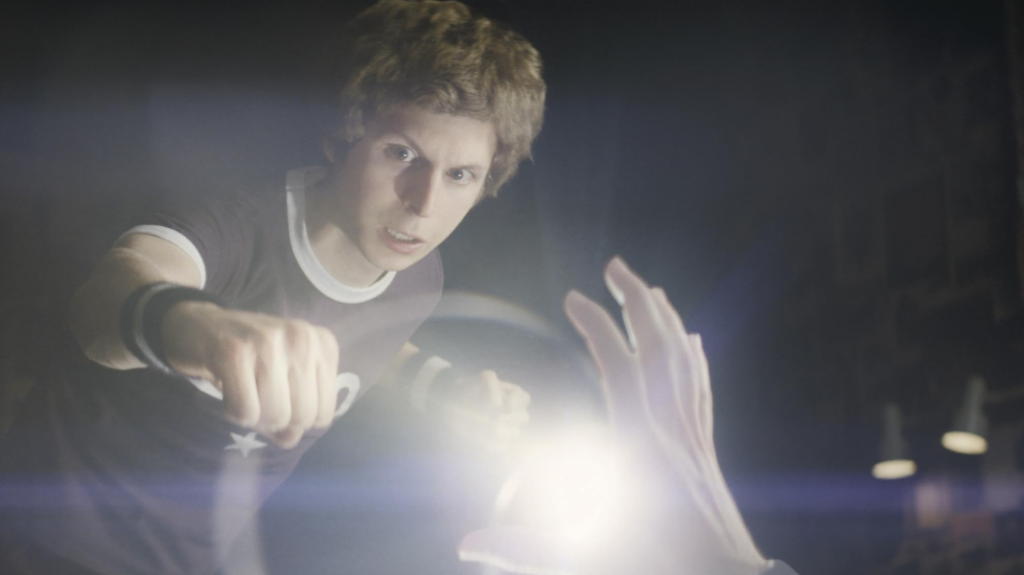
Scott Pilgrim vs. the World
Scott becomes obsessively fixated on Ramona almost immediately, following her around Toronto and forcing himself into her life after barely speaking to her initially.
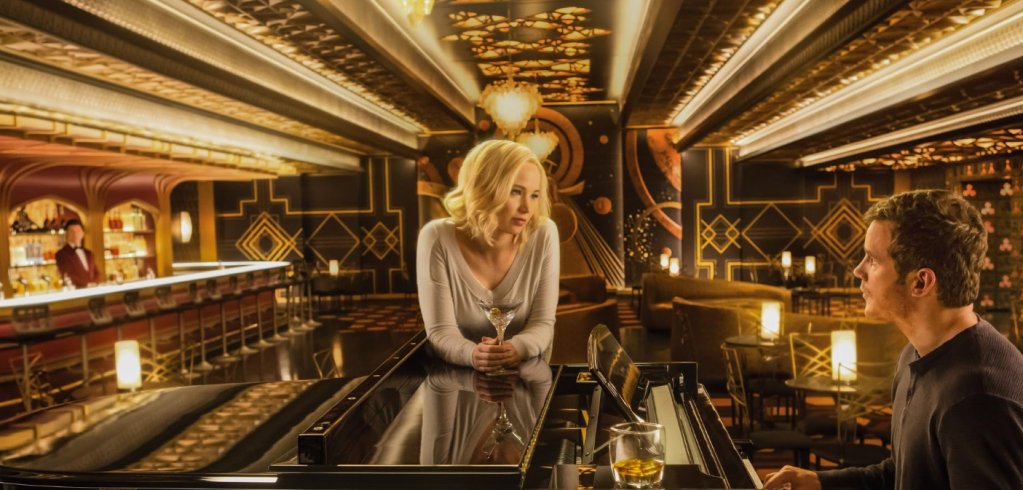
Passengers
Jim awakens Aurora from hypersleep specifically because he wants companionship, effectively trapping her aboard the ship forever while the film still pushes toward romance.
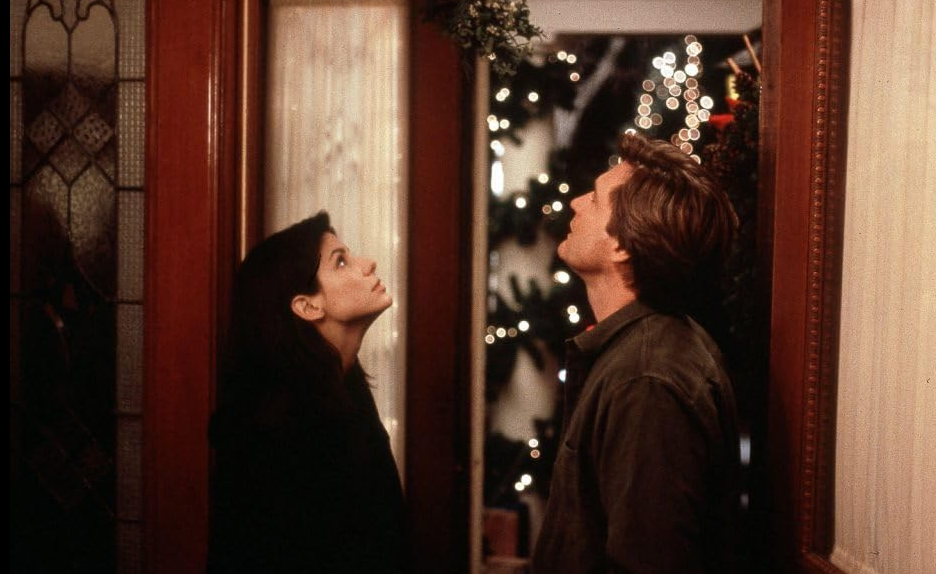
While You Were Sleeping
Lucy accidentally becomes entangled in a false engagement while never correcting the misunderstanding, creating an entire romance through prolonged deception and emotional manipulation.
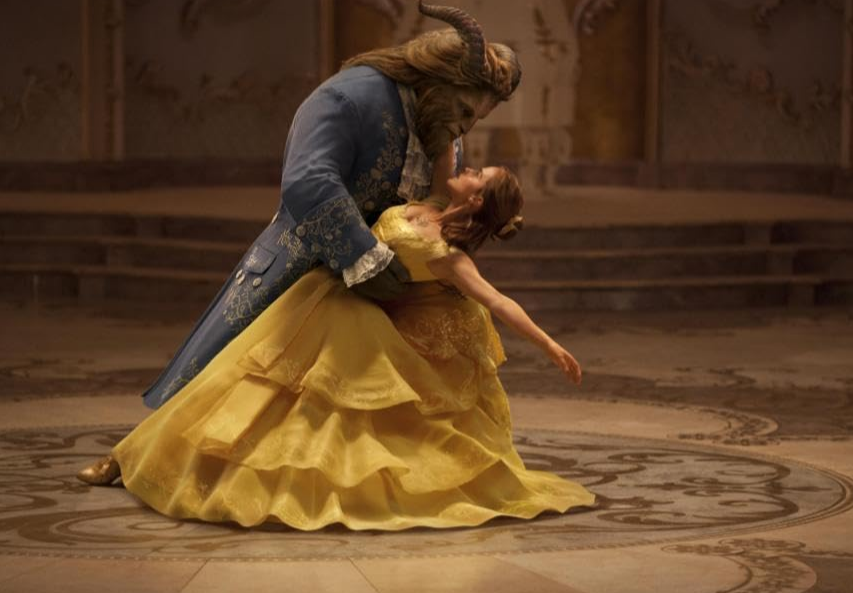
Beauty and the Beast
The story’s romance grows from captivity and emotional pressure, creating decades of debate about whether the relationship reflects genuine love or disguised coercion.
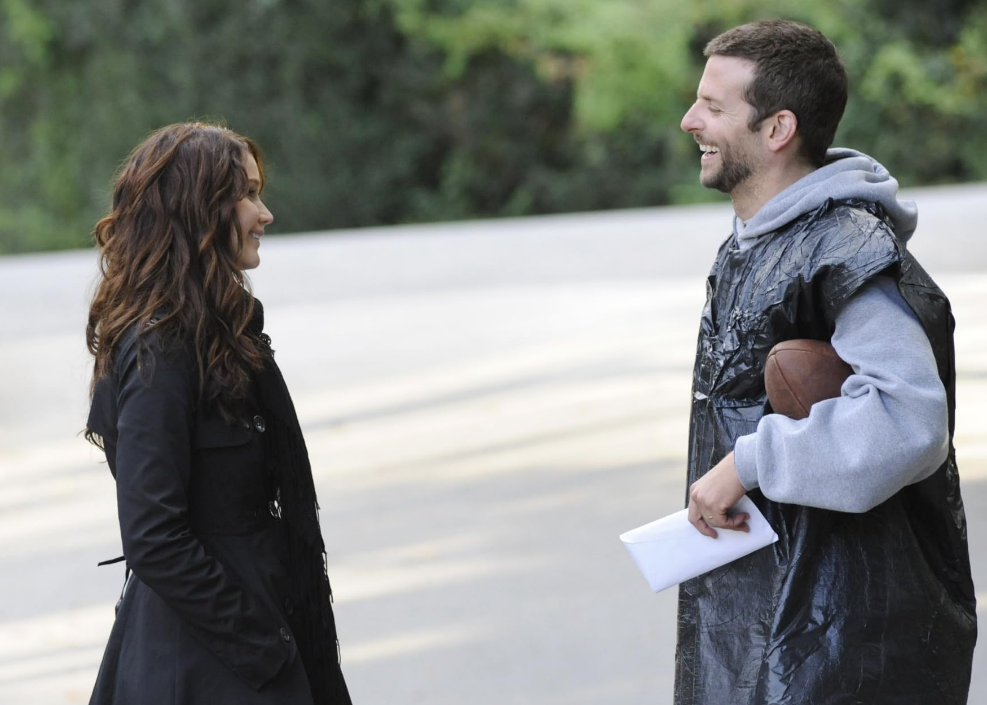
Silver Linings Playbook
Pat repeatedly ignores boundaries and becomes intensely fixated on reconnecting with his ex-wife, behavior the movie partially reframes through quirky romantic comedy energy.
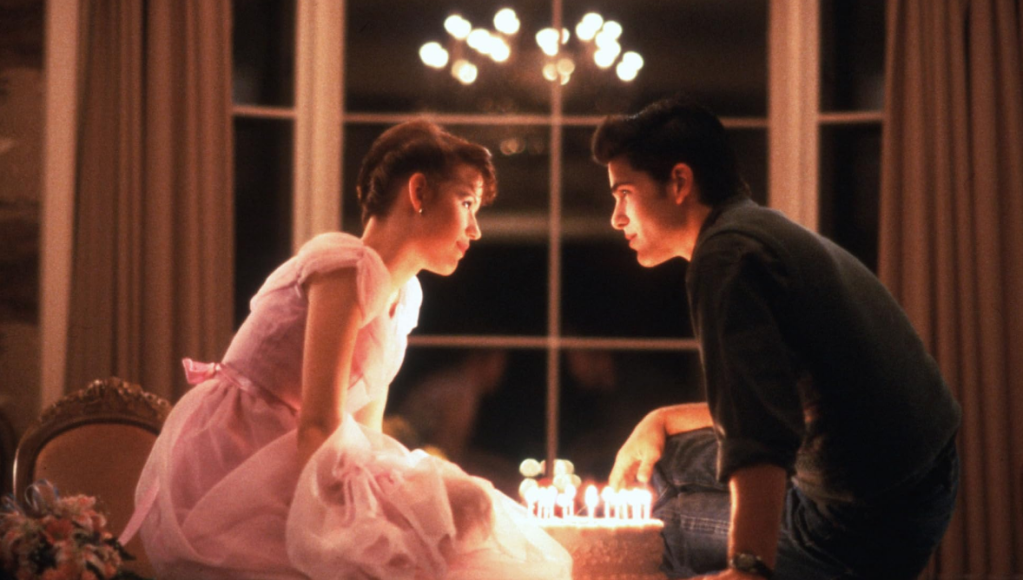
Sixteen Candles
Several romantic subplots involve spying, objectification, and ignoring consent, all presented through the lens of harmless teen comedy rather than invasive behavior.