TV Episodes That Accidentally Traumatized a Generation


We watch TV shows to be entertained, to feel safe under the blanket of the expected, and to live a life different from our own through fictional characters. But above all, we watch shows because we want to experience a story, and stories need to be unexpected from time to time.
And they worked, because these episodes were incredibly memorable within and outside their medium. While each show is still popular outside of these moments, it was the shocking episodes that made us stay for longer, tuning into their channels to know what would happen next.
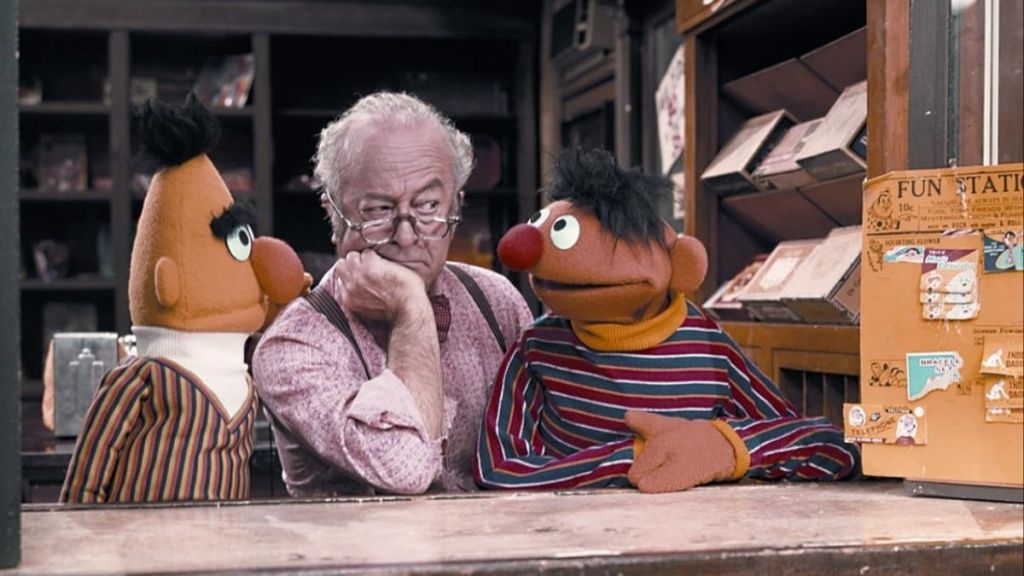
Sesame Street, “Farewell, Mr. Hooper”
After actor Will Lee died, Sesame Street addressed Mr. Hooper’s death directly, introducing countless children to grief and mortality in an unusually honest and emotional way.
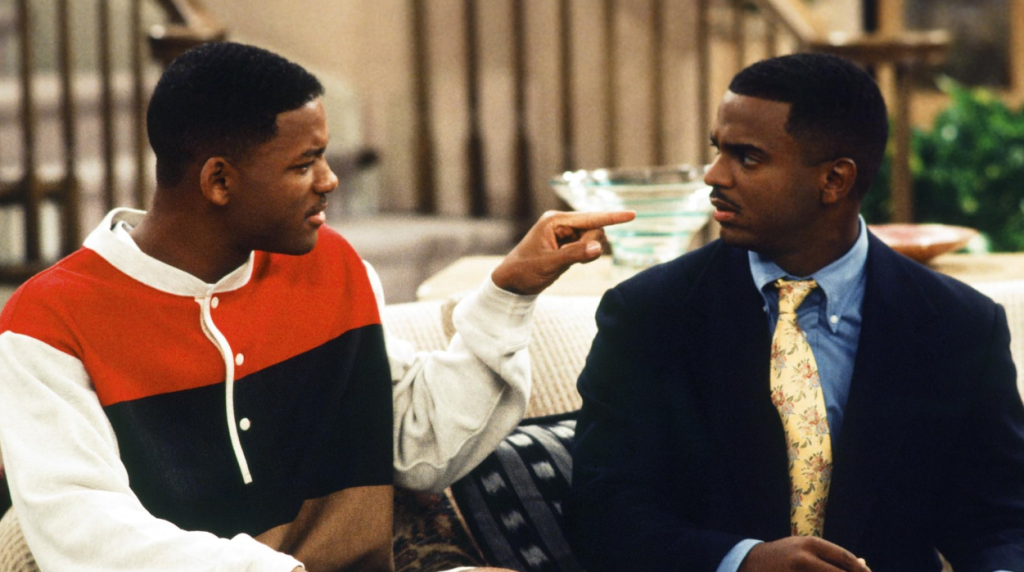
The Fresh Prince of Bel-Air, “Papa’s Got a Brand New Excuse”
Will breaking down over his absent father became one of sitcom television’s most emotionally devastating moments, shocking audiences expecting a lighthearted comedy episode.
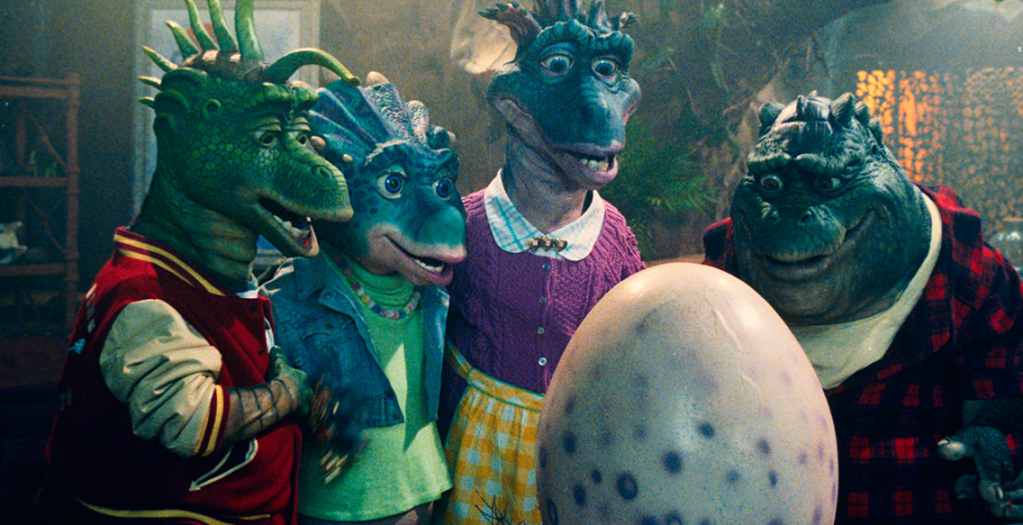
Dinosaurs, “Changing Nature”
The family sitcom ended with environmental catastrophe and implied extinction, leaving young viewers stunned that a comedy about talking dinosaurs concluded with unavoidable mass death.
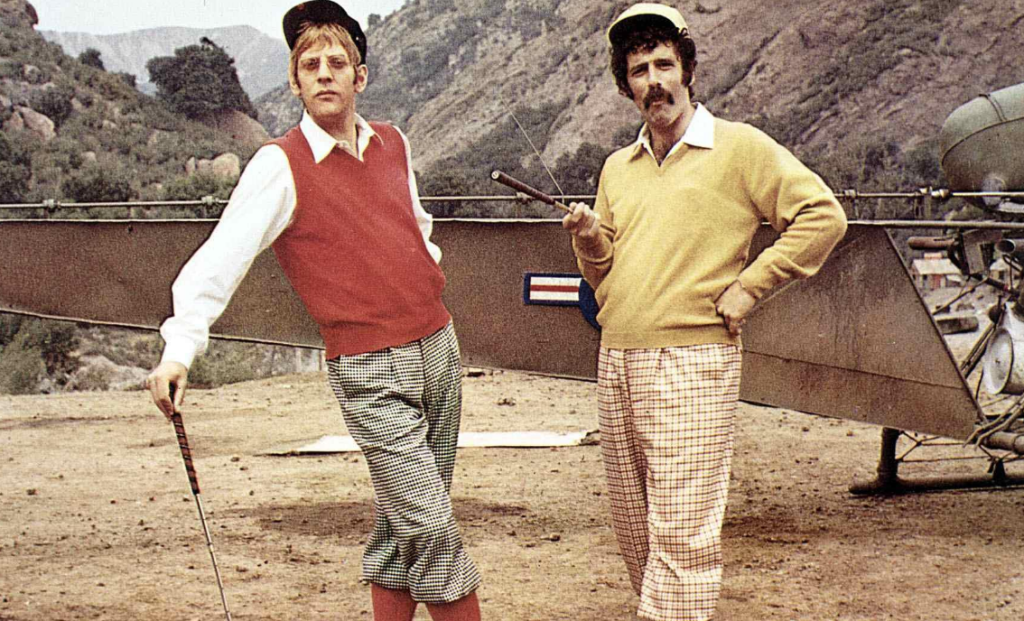
M*A*S*H, “Abyssinia, Henry”
The sudden death of Henry Blake blindsided audiences because the series rarely treated beloved main characters with such brutally permanent realism before that moment.
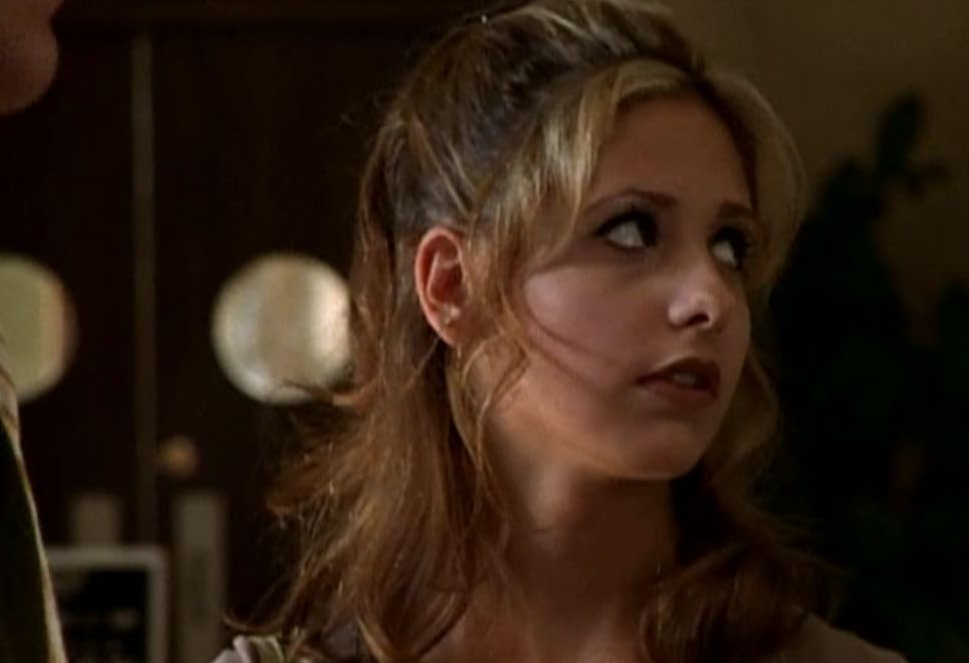
Buffy the Vampire Slayer, “The Body”
Instead of supernatural horror, the episode focused entirely on the raw emotional reality of losing a parent, making it painfully relatable for many viewers.
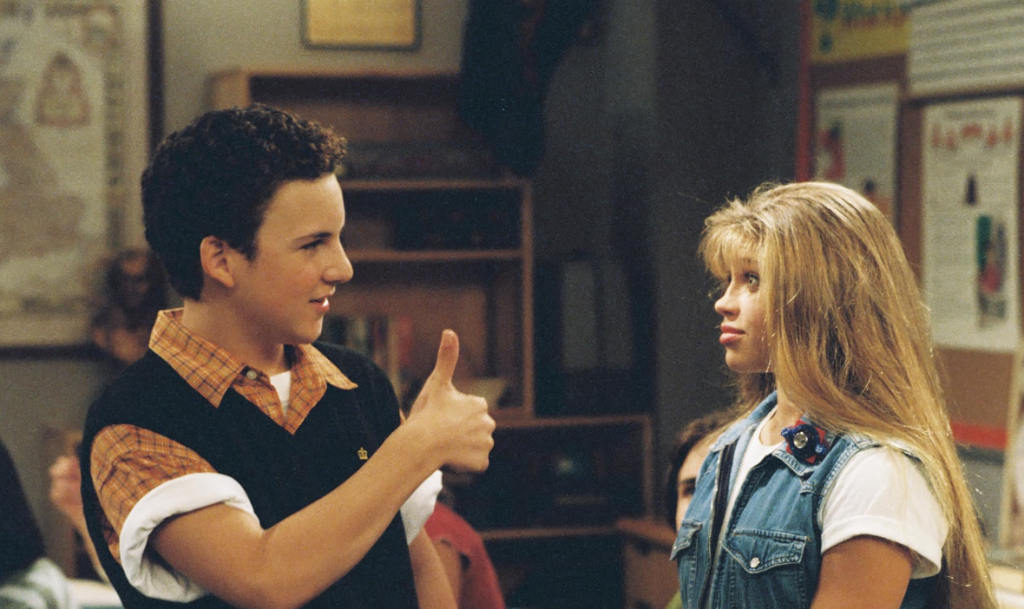
Boy Meets World, “And Then There Was Shawn”
What began as a goofy parody episode suddenly shifted into slasher horror territory, terrifying younger viewers who absolutely were not expecting murder-mystery tension from the sitcom.
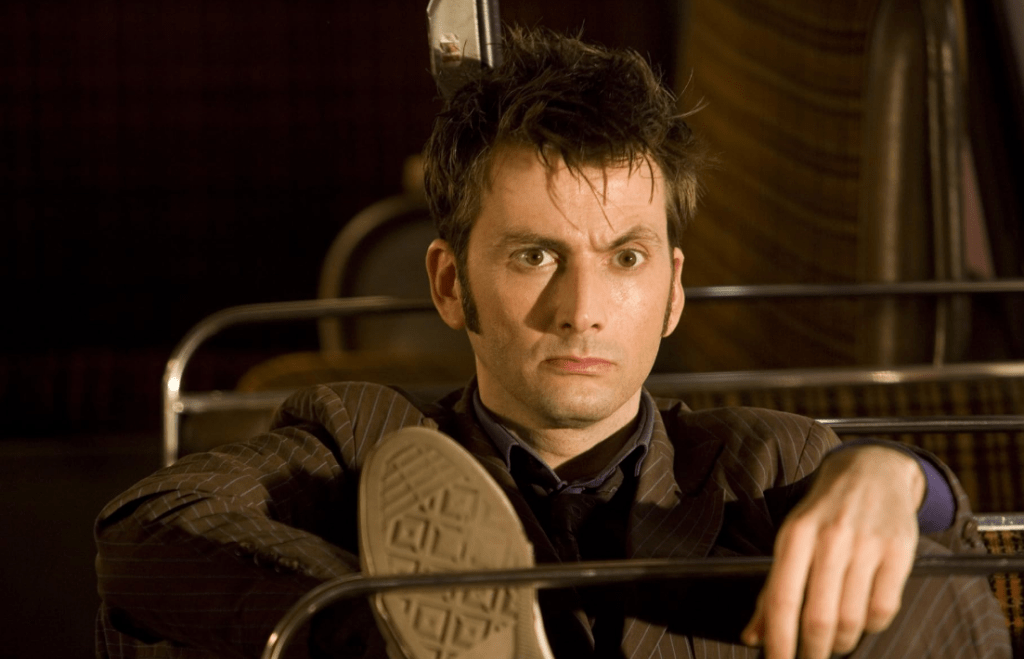
Doctor Who, “Blink”
The Weeping Angels instantly became nightmare fuel thanks to the episode’s simple but terrifying concept that monsters move whenever somebody looks away.
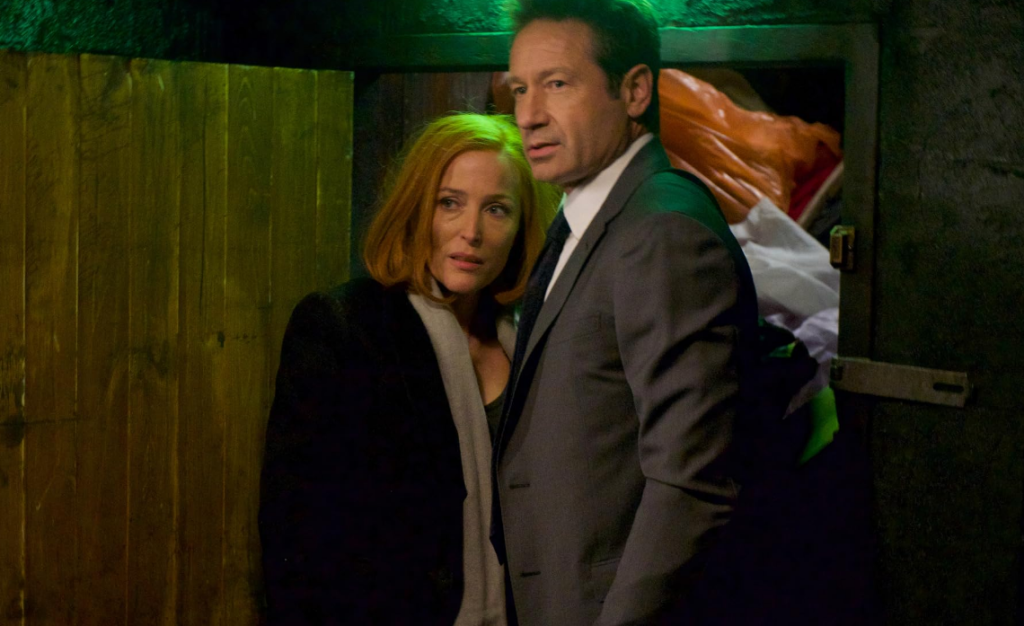
The X-Files, “Home”
The episode became infamous for its disturbing violence and horrifying family storyline, even receiving a rare television warning before broadcast because executives knew it crossed lines.
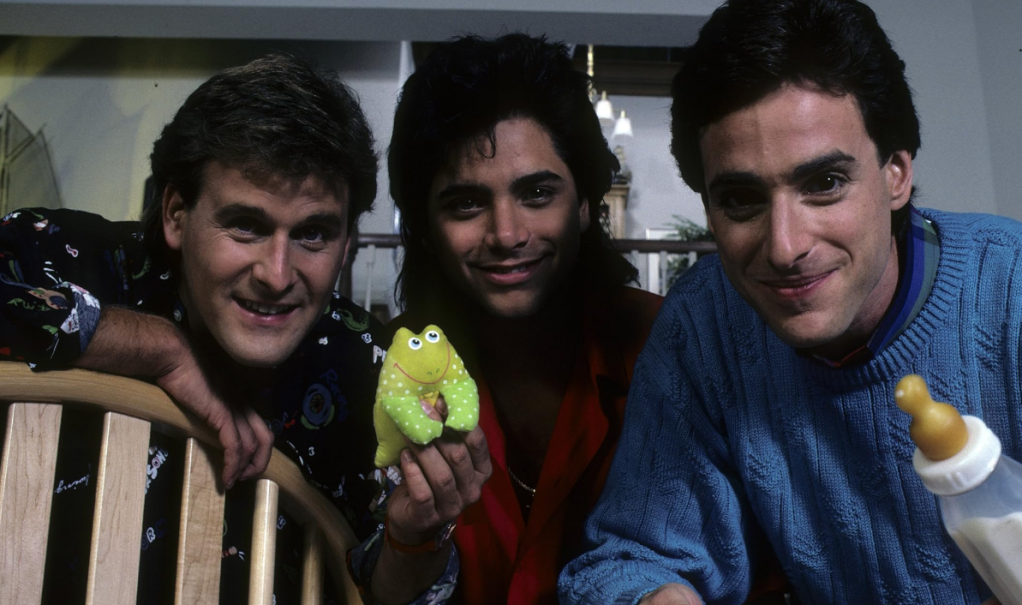
Full House, “Silence Is Not Golden”
Stephanie discovering her classmate was being abused introduced many younger viewers to domestic violence through a show they normally associated with comforting family comedy.

Black Mirror, “Shut Up and Dance”
The episode’s devastating final reveal completely recontextualized everything beforehand, leaving audiences horrified by how effectively the story manipulated viewer sympathy.
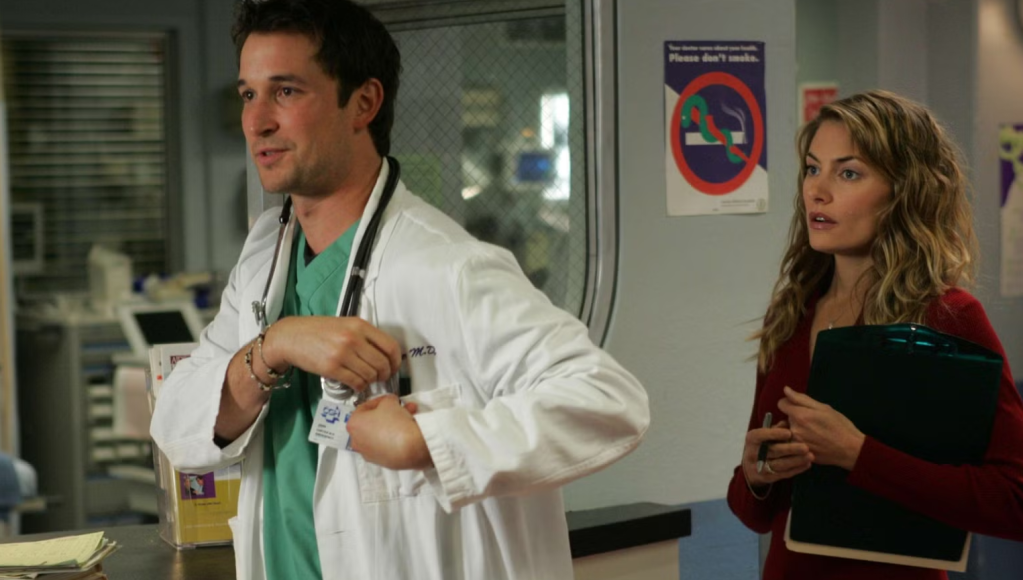
ER, “Love’s Labor Lost”
The brutal depiction of a preventable childbirth tragedy shocked audiences because medical dramas rarely portrayed catastrophic mistakes with such emotional realism at the time.
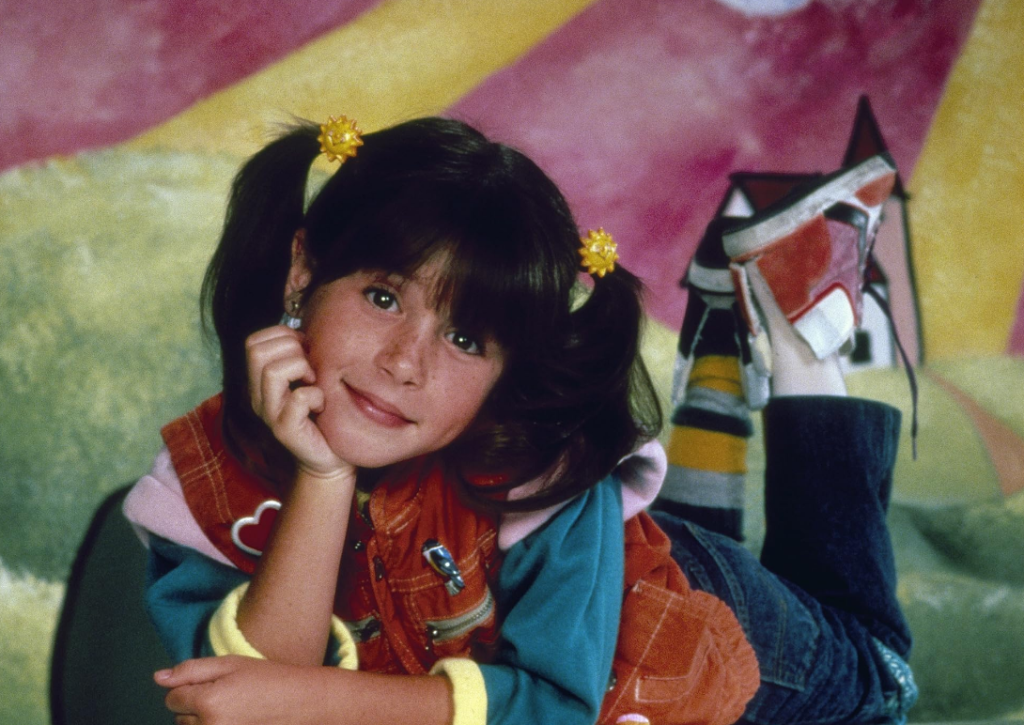
Punky Brewster, “The Perils of Punky”
The infamous cave sequence terrified children unexpectedly, transforming a cheerful sitcom into nightmare material involving claustrophobia, hallucinations, and genuinely disturbing imagery.
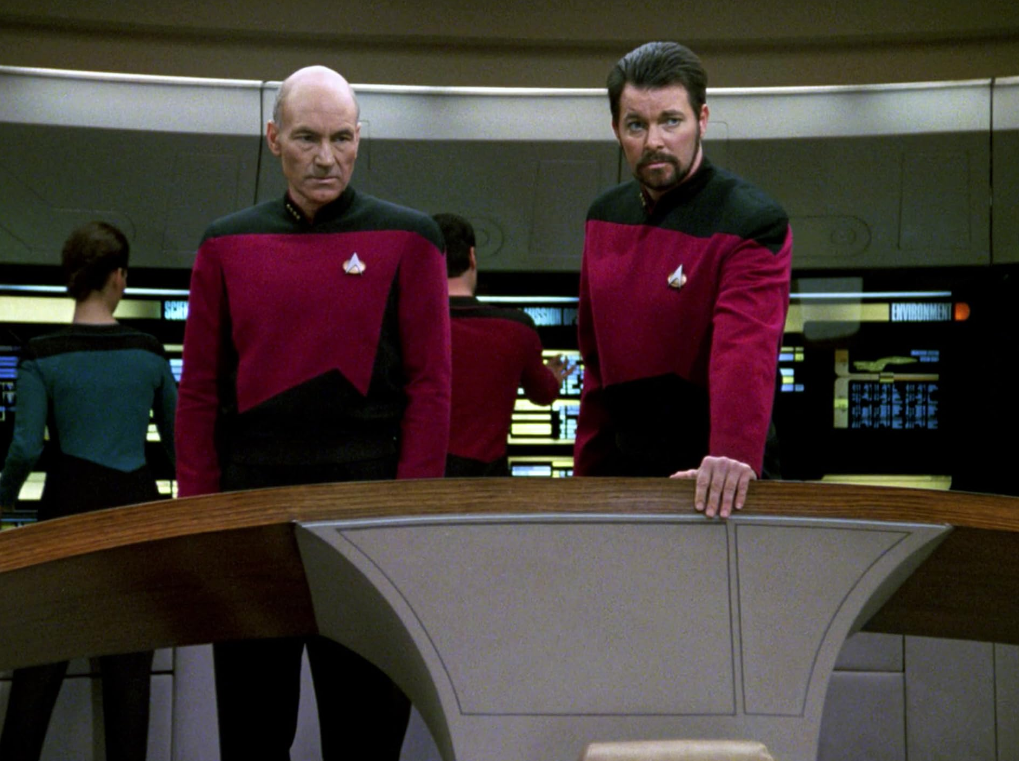
Star Trek: The Next Generation, “The Best of Both Worlds”
Captain Picard becoming assimilated by the Borg fundamentally shattered the crew’s sense of safety and traumatized viewers who never imagined the franchise’s hero could fall.
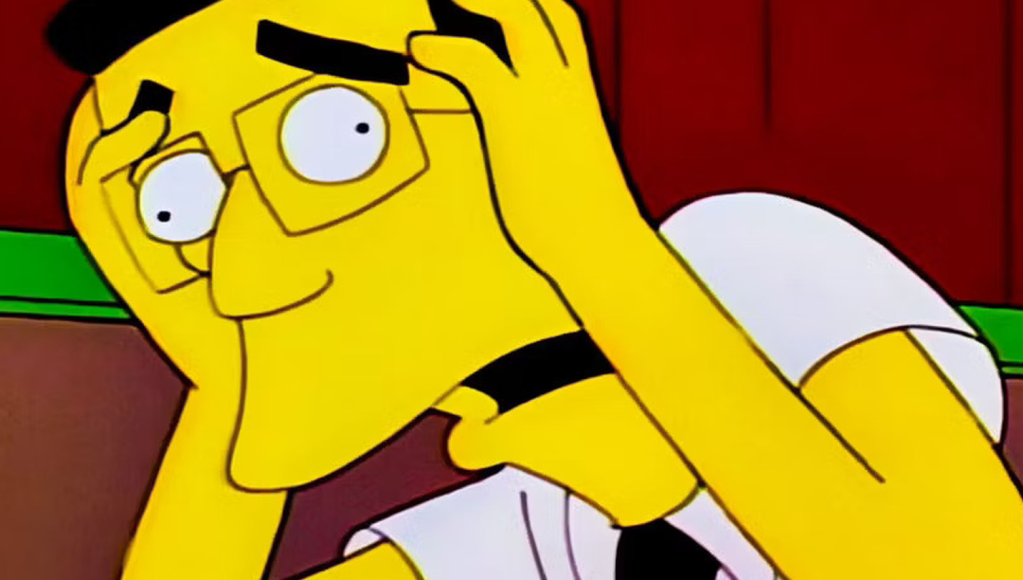
The Simpsons, “Homer’s Enemy”
Frank Grimes reacting realistically to Springfield’s cartoon logic created an episode so bitter and uncomfortable that many longtime fans still find it strangely upsetting.
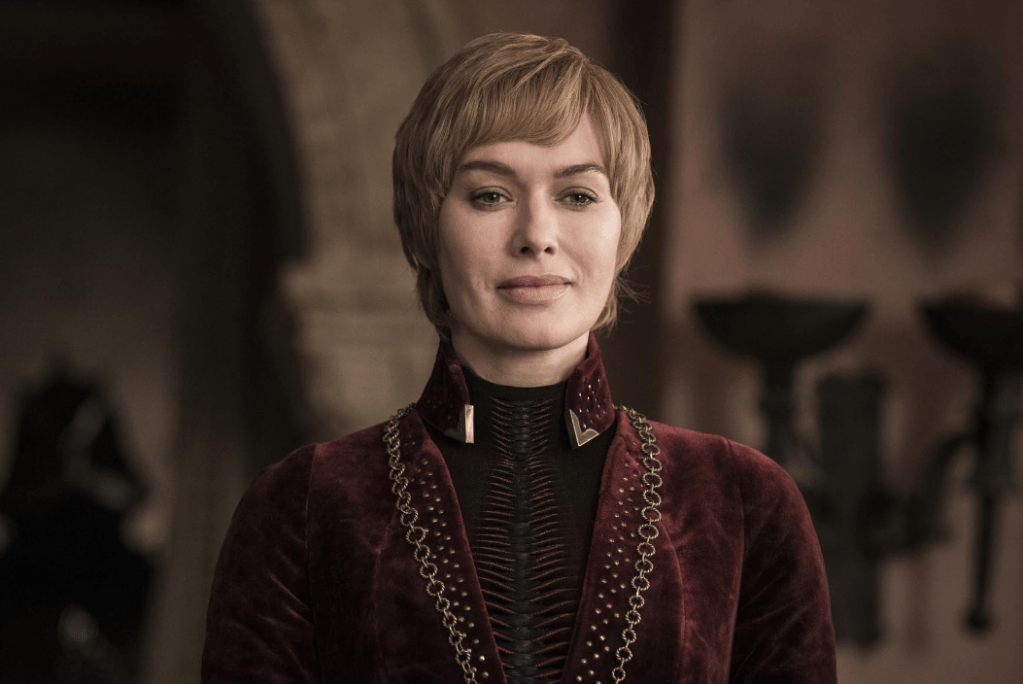
Game of Thrones, “The Rains of Castamere”
The Red Wedding became a cultural shockwave because audiences genuinely believed major heroic characters were protected until the episode suddenly massacred nearly all of them.