20 Pop Culture Predictions That Accidentally Came True

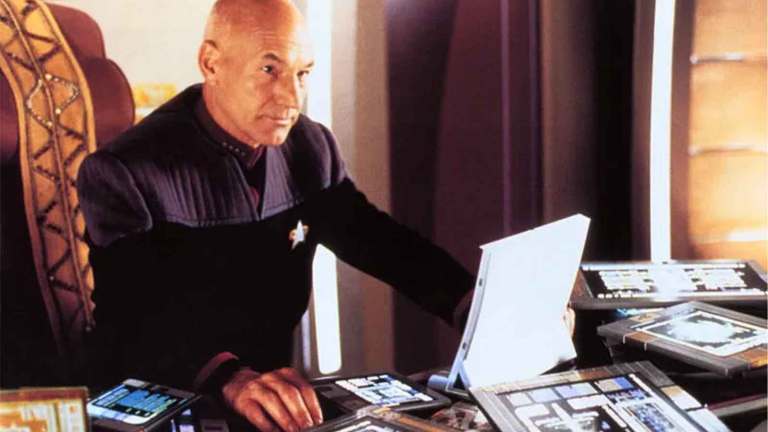
Pop culture does a pretty good job looking into the future and predicting itself. While many fictional predictions remain just that, many often wind up feeling surprisingly accurate years later. These moments stand out because writers, filmmakers, musicians, and game creators came up with ideas that eventually appeared in everyday life. Here are twenty pop culture predictions that accidentally came true.
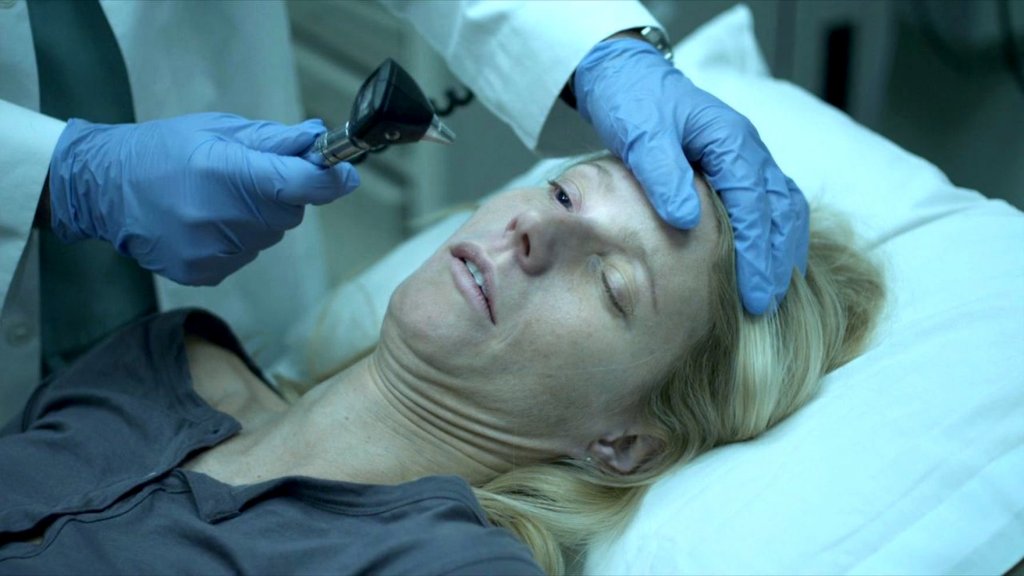
Contagion – Global Pandemic Response
The film’s depiction of public fear, misinformation, and lockdown style reactions felt strikingly accurate years later.
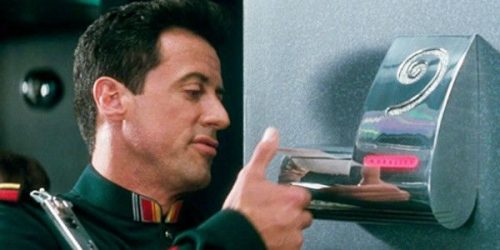
Demolition Man – Contactless Interaction
Elements of sanitized public behaviour and reduced physical contact became unexpectedly relatable in later years.
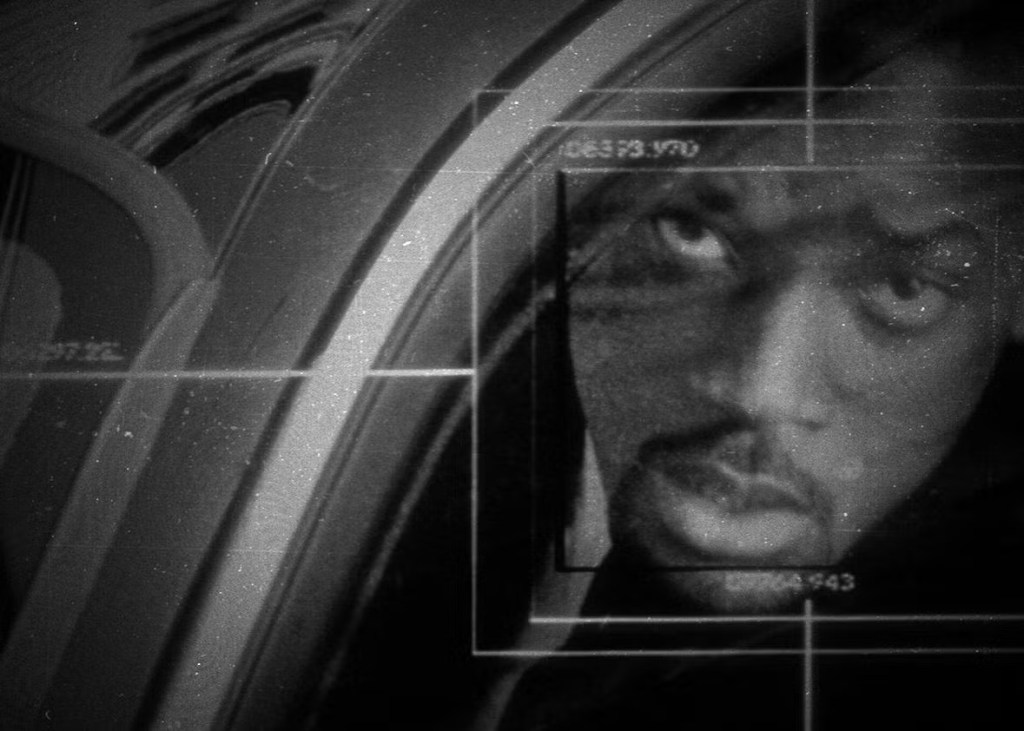
Enemy of the State – Mass Surveillance
The film anticipated widespread digital tracking and government surveillance concerns that later became major public debates.
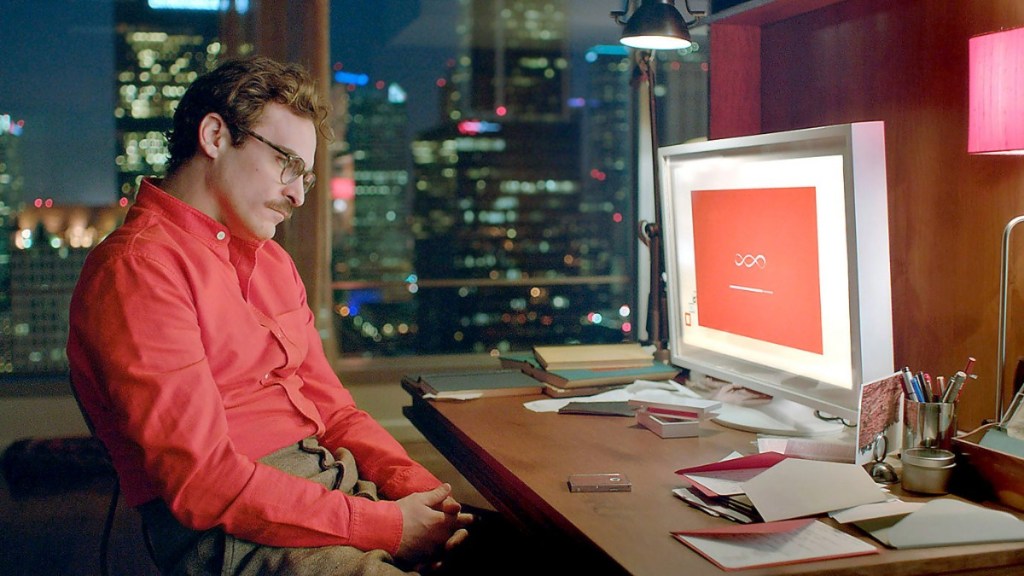
Her – AI Companions
The concept of emotionally responsive artificial intelligence became far more realistic with modern conversational AI systems.
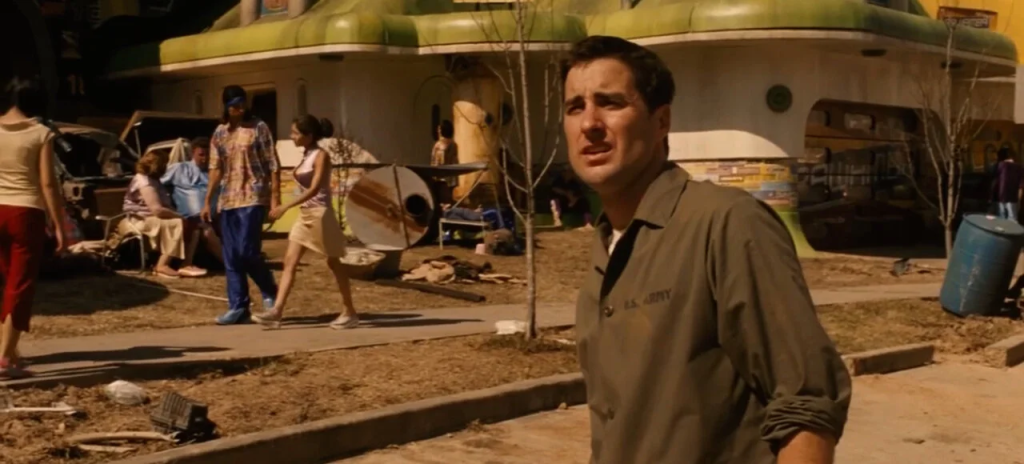
Idiocracy – Entertainment Driven Culture
Its exaggerated depiction of media obsession and anti intellectualism is frequently referenced in modern online discussions.
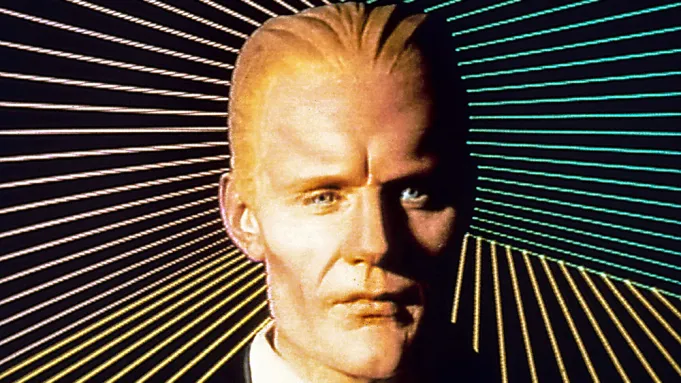
Max Headroom – Media Saturation
The show predicted nonstop advertising, digital personalities, and media overload that now define online culture.
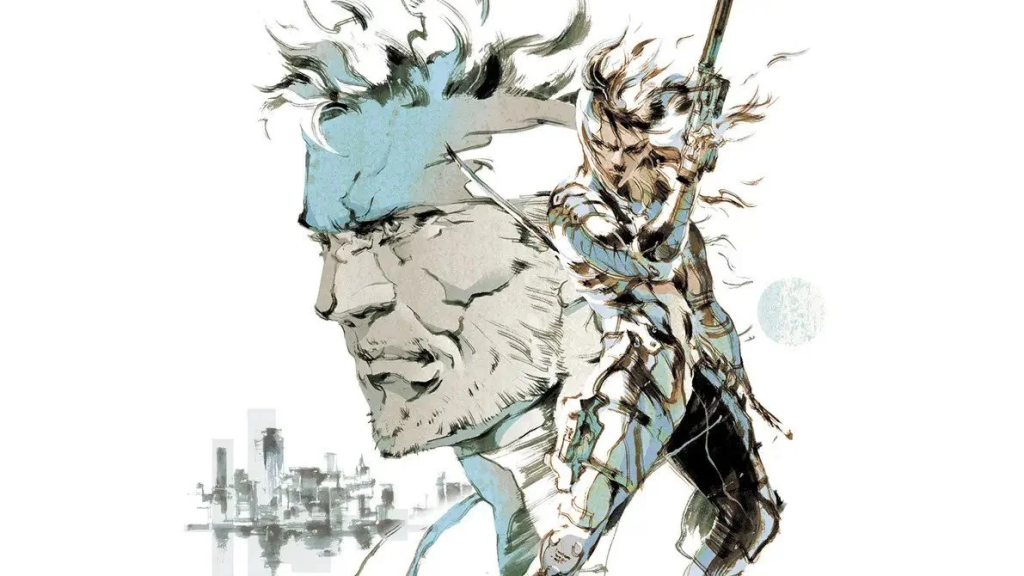
Metal Gear Solid 2: Sons of Liberty – Information Manipulation
The game explored misinformation, digital echo chambers, and algorithmic control years before those topics became mainstream concerns.
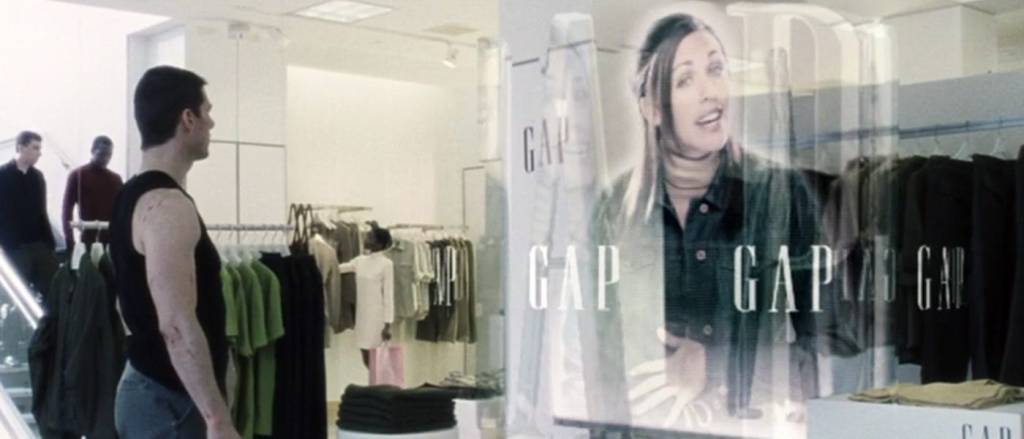
Minority Report – Personalized Advertising
The movie featured ads that identified people individually and targeted them directly, something now common online and in digital marketing.
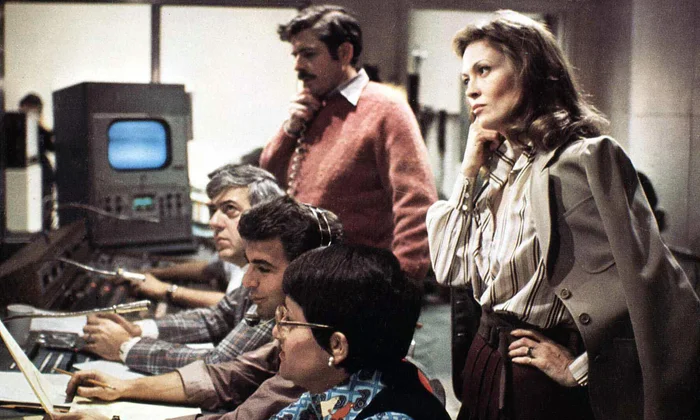
Network – Sensationalized News
The film’s exaggerated television outrage culture feels remarkably similar to modern ratings driven media environments.
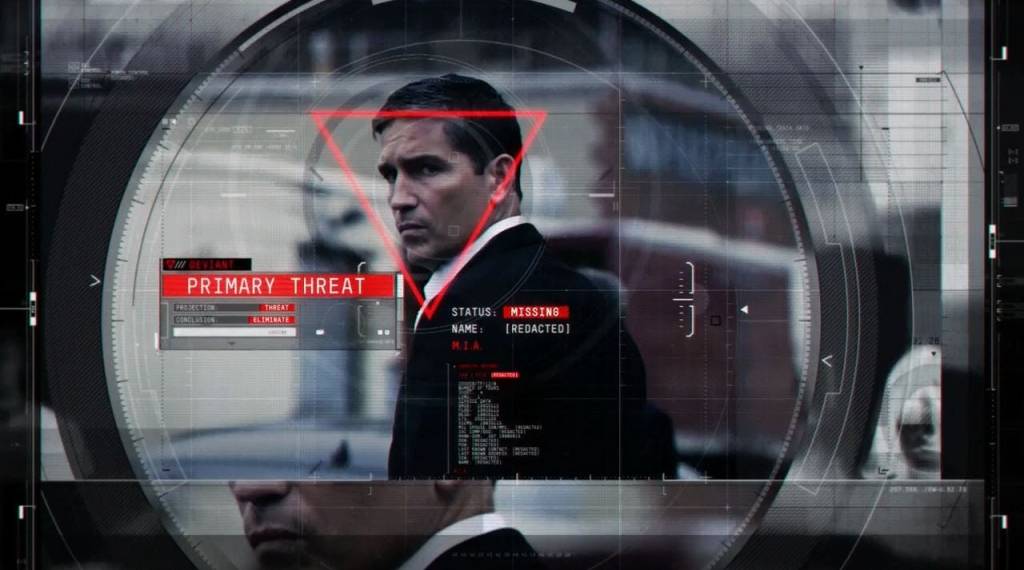
Person of Interest – Predictive AI Surveillance
The show imagined artificial intelligence systems monitoring populations and predicting threats long before AI became part of everyday conversation.
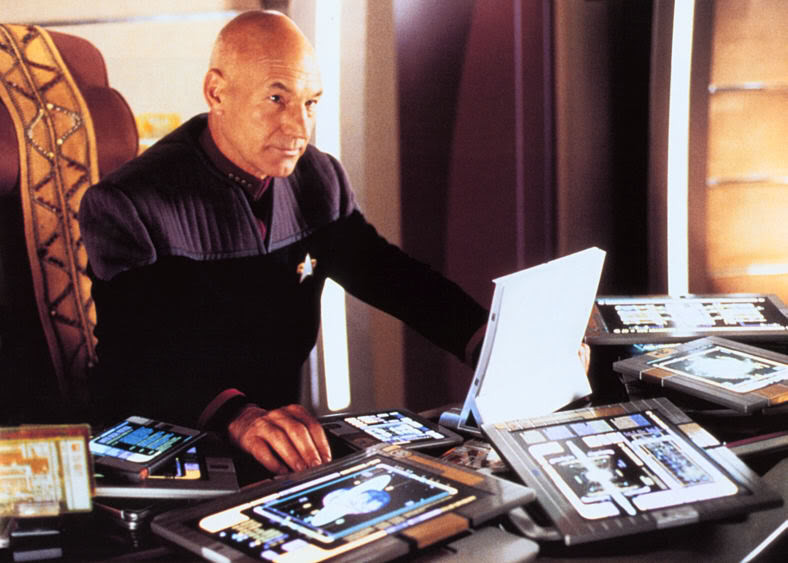
Star Trek – Tablets and Mobile Devices
Handheld communication tools and touchscreen style interfaces strongly resembled modern tablets and smartphones decades later.
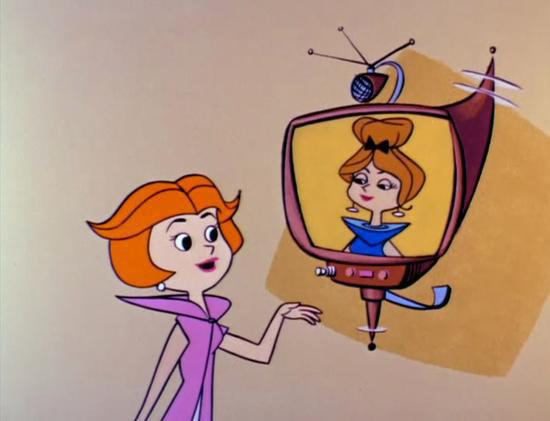
The Jetsons – Video Chatting
The futuristic family regularly used screen based communication that resembles modern virtual meetings.
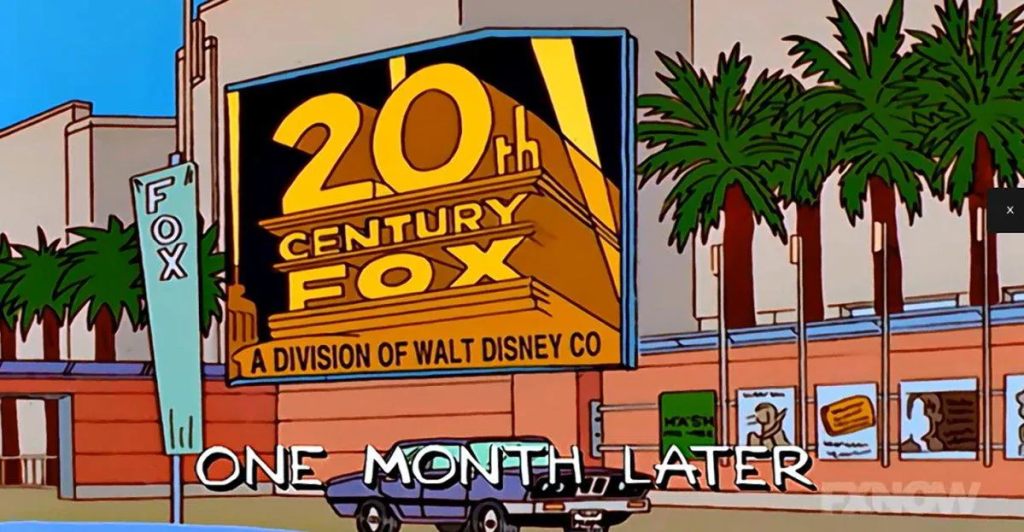
The Simpsons – Disney Buying Fox
A joke background sign referenced the possibility years before the real acquisition happened.
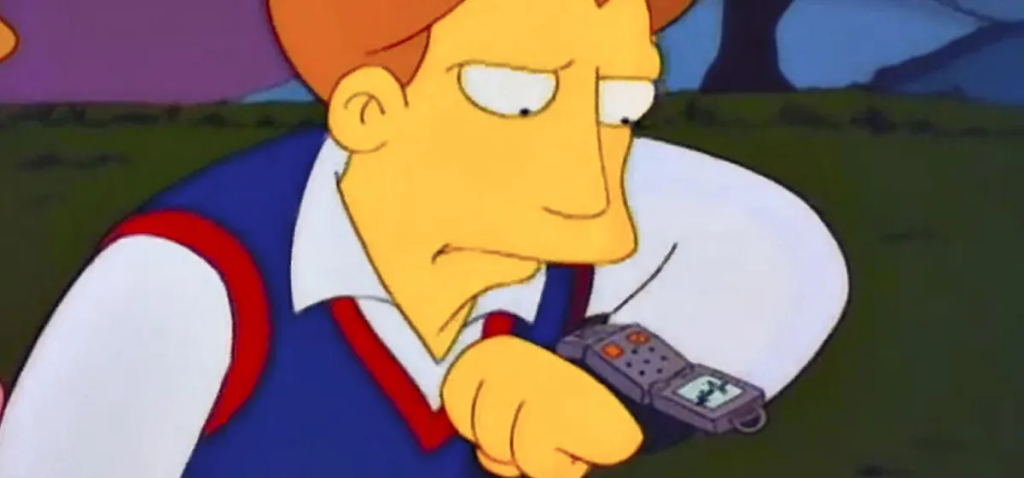
The Simpsons – Smart Watches
The series showed characters using watch based communication devices years before smart watches became common consumer technology.
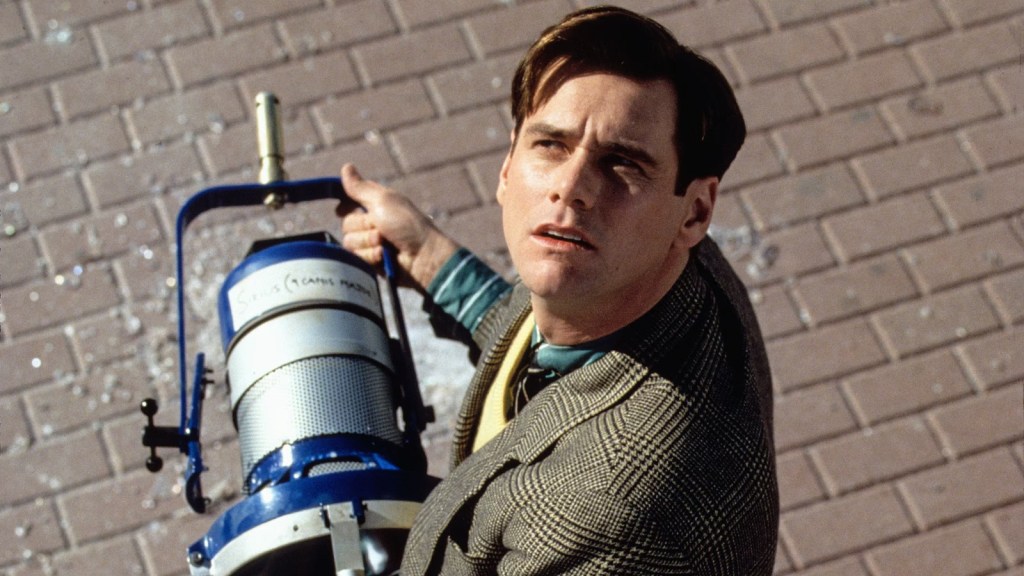
The Truman Show – Reality TV Culture
The obsession with constantly watching someone’s life became increasingly accurate as reality television and livestreaming exploded.
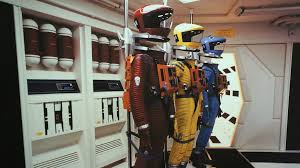
2001: A Space Odyssey – Voice Assistants
HAL 9000 anticipated voice controlled computing systems and conversational technology long before smart assistants existed.
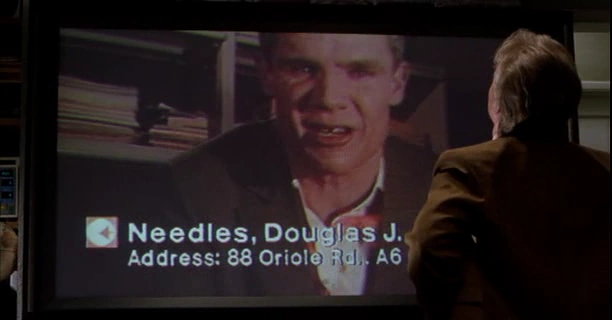
Back to the Future Part II – Video Calls
The film imagined routine home video calls long before platforms like Zoom and FaceTime became part of everyday life.
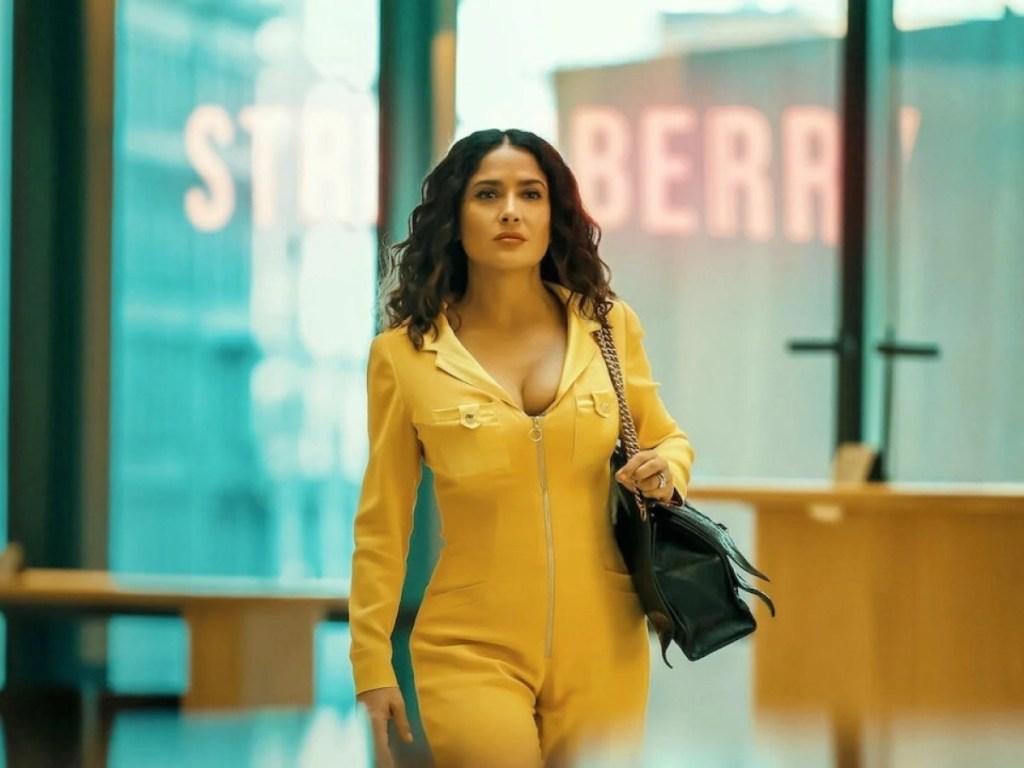
Black Mirror – Deepfake Style Technology
Several episodes explored digitally recreated identities and manipulated realities before deepfake technology became widely known.

Black Mirror – Social Rating Culture
Episodes exploring social approval systems and digital reputation now feel very close to influencer culture and app based ratings.
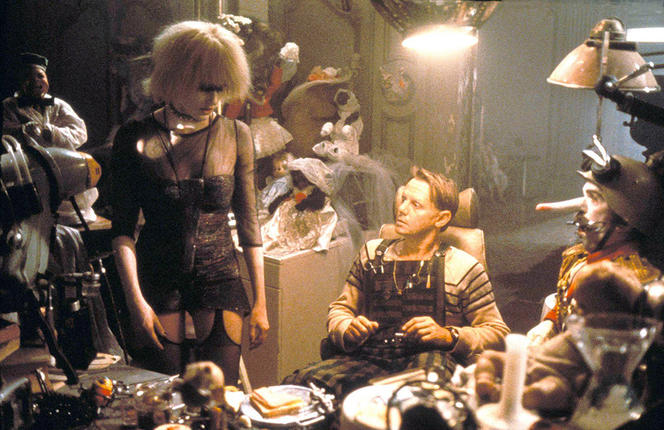
Blade Runner – Artificial Humans and Corporate Dominance
Its vision of powerful corporations shaping everyday life feels increasingly relevant today.