15 Simple Facts That Could Save Your Life

In an emergency, knowing one simple fact can make an enormous difference. The problem is that many useful safety lessons are surprisingly easy to overlook, especially when panic takes over. The idea is to recognize dangerous situations before they become life-threatening, and what to do when they escalate to that extreme.
Rather than substitutes for proper first-aid or emergency training, these are practical things worth remembering. These straightforward pieces of knowledge could help you react more effectively when something goes seriously wrong and there isn’t time to stop and figure everything out.
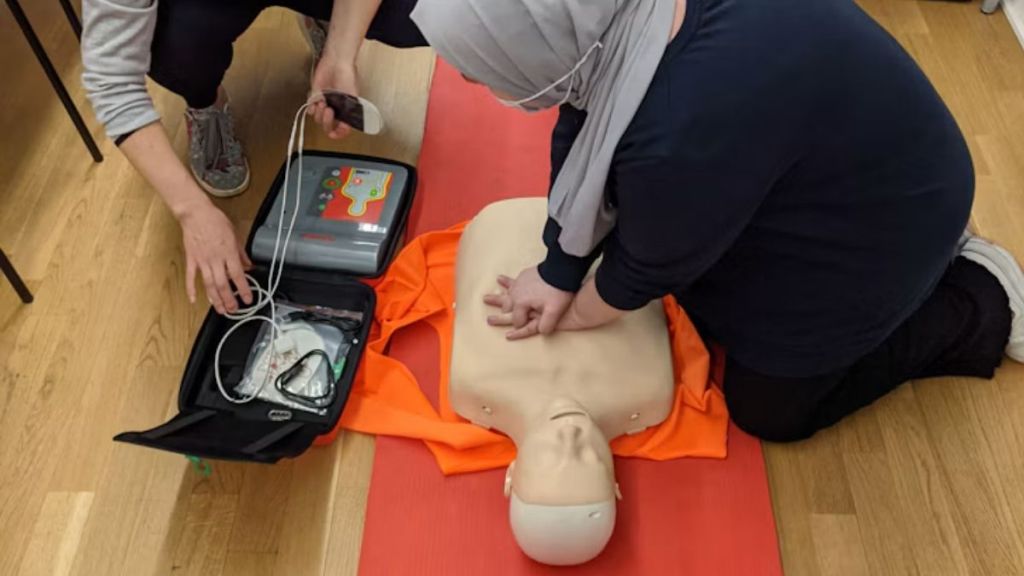
Get Attention When You’re Choking
If you’re choking, don’t isolate yourself. Alert people nearby immediately so someone can call emergency services and provide first aid. A completely blocked airway can quickly become fatal.
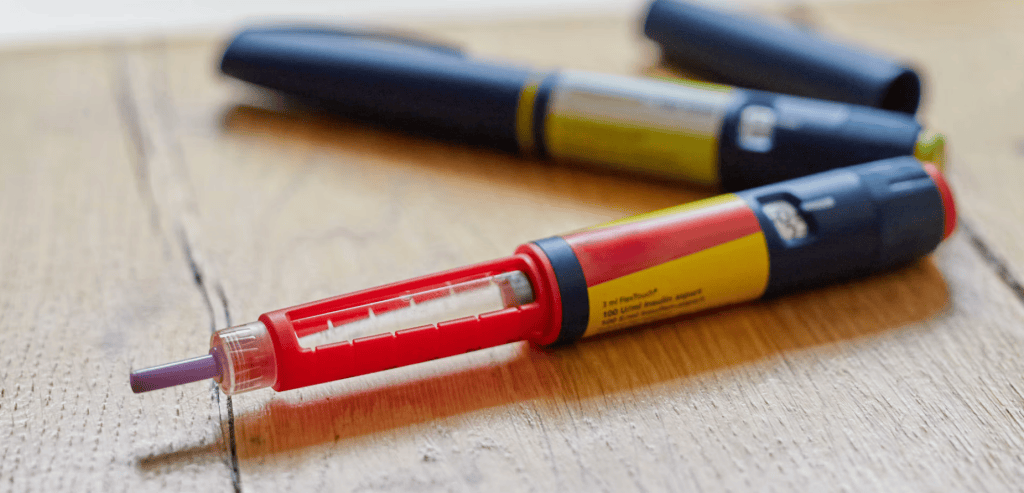
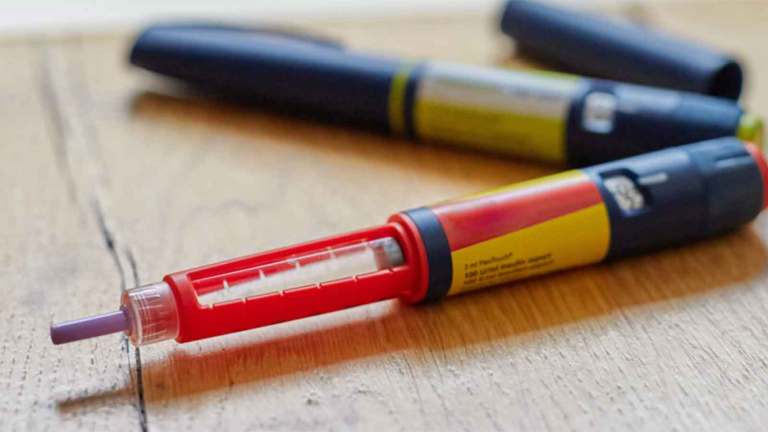
An EpiPen Isn’t the Finish Line
Epinephrine temporarily treats anaphylaxis; symptoms can return after it wears off. After using an auto-injector, seek emergency medical care rather than assuming the danger has passed.
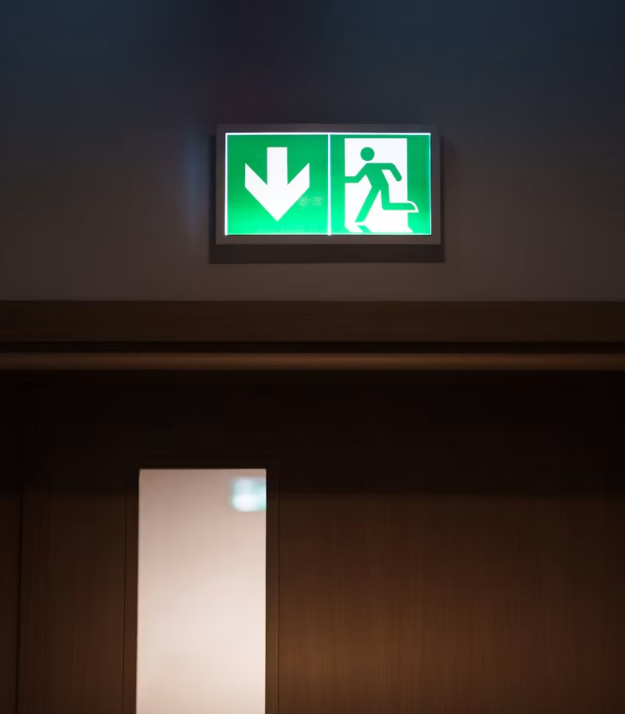
Don’t Ignore Fire-Escape Warnings
If a commercial-building evacuation route has a gate or other warning indicating the stairwell leads somewhere unsafe, don’t continue blindly. Follow posted evacuation instructions and use another designated exit when available.

You Can Help Yourself If You’re Choking
Someone choking while alone can call emergency services and perform abdominal thrusts on themselves, using their hands or pressing their abdomen against a firm object such as a chair.

Stay Calm When Things Go Wrong
Panic can make emergencies harder to manage. Taking a breath, assessing what’s happening, and following known emergency procedures can help you make better decisions instead of reacting impulsively.

Know Two Exits Before You Need Them
In theaters, clubs, and other crowded buildings, notice nearby exits when you arrive. In an emergency, knowing alternative routes beforehand can prevent dangerous last-second decisions and bottlenecks.
Allergies Can Develop Later
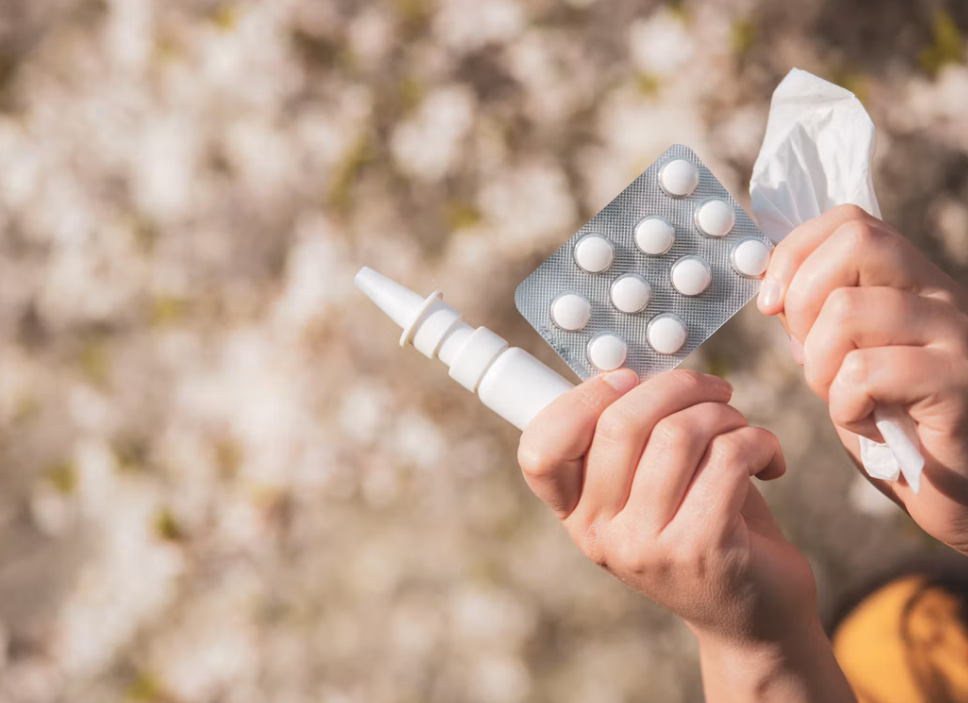
Never assume you’re immune because you’ve eaten or touched something safely before. Allergic reactions can develop later in life, and serious symptoms require prompt medical attention rather than waiting to see what happens.

Strength Training Helps Protect Bones
Resistance and impact exercise can improve bone density and strength, particularly after menopause. Regular, appropriately supervised exercise is an important tool for reducing osteoporosis-related fracture risk.

Throw Flotation, Don’t Become the Rescue
If someone falls overboard, prioritize alerting professionals and getting flotation to them rather than jumping in yourself. Rescuers specifically warn that attempting an untrained water rescue can create another victim.

Take Crowd Movement Seriously
If a crowd begins moving uncontrollably, don’t wait for conditions to become catastrophic. Try to move toward an open area, stay upright, and protect your chest if movement becomes unavoidable.

Tell Your Anesthesiologist About Drug Use
Cannabis use, as well as many other drugs, can affect anesthesia requirements and other aspects of surgery. Don’t hide it from your anesthesiologist; accurate information helps the medical team plan safely.

Escape a Rip Current Sideways
Don’t fight a rip current by swimming directly toward shore. Stay calm, float if necessary, and swim parallel to the shoreline until you’re out of the current, then head toward shore.

Never Put Water on a Grease Fire
Water can cause burning oil to splatter violently and spread the fire. Turn off the heat if safe, cover the pan with a lid, and use an appropriate extinguisher if necessary.

A Falling Knife Has No Handle
Never try to catch a falling knife. Your reflexes aren’t worth risking a severe cut; step back and let the object fall before picking it up safely.

Lie Down If You Feel Faint
If you feel like you may faint, sit or lie down on your side immediately to reduce your risk of falling and being injured. If you lose consciousness or have concerning symptoms regularly, seek medical help.